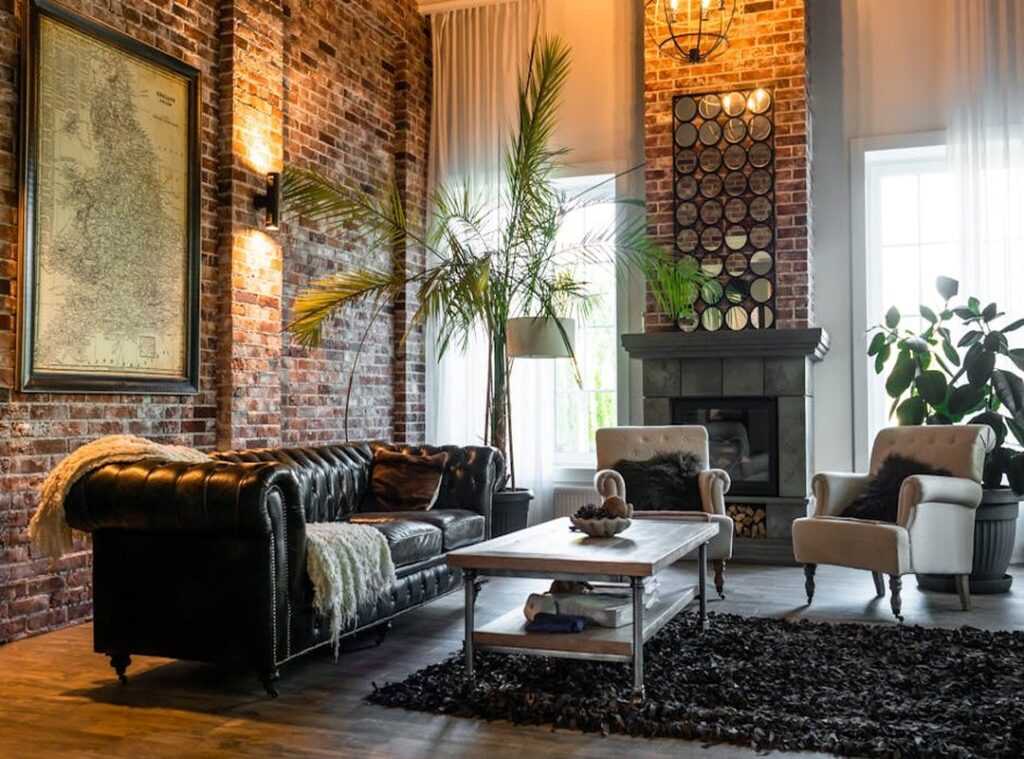
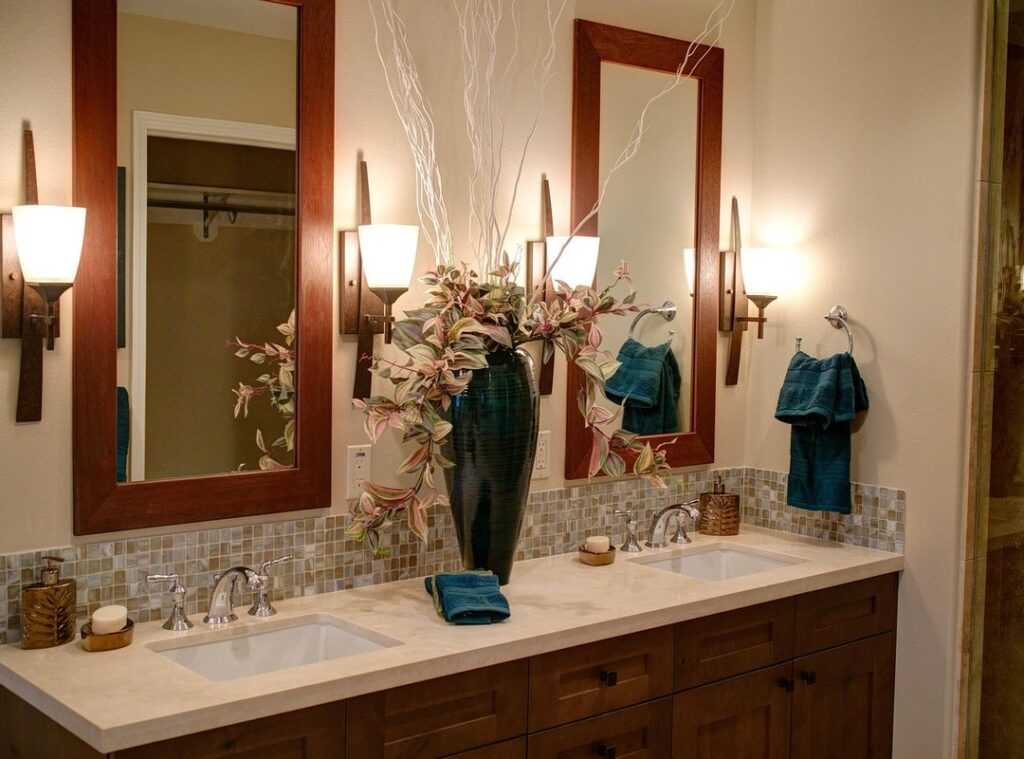
Ever stood in a room and thought, “This doesn’t feel like me”? You’re not alone. Surrounded by mismatched furniture and decor, it’s easy to feel lost.
We all want our homes to be cozy, not like a sterile showroom. This guide dives into interior design styles to help you find one that feels personal and inviting. Trust me, creating a lived-in sanctuary is easier than you think.
We’ll break down popular styles and give you actionable tips to get started. It’s about making the process exciting, not overwhelming. Ready to create your perfect vibe?
Let’s get into it.
Uncover Your Style: The Key to Design
Before diving into interior design styles, let’s figure out what truly resonates with you. Start with colors. What colors make you feel alive or serene?
Now, take a look around. Do you thrive in clean, minimalist spaces or love the energy of cozy clutter? It’s important to recognize this about yourself (it influences everything).
Check your closet. The colors and textures you wear can hint at what you’ll love in your home. Style isn’t just what you wear.
It’s how you live.
Don’t stop there. Create a mood board. Use Pinterest or go old school.
Save images of rooms you admire. Seek patterns in your selections. Are you consistently drawn to bold colors or rustic elements?
This isn’t about labeling yourself. It’s about understanding your preferences for color and mood.
And hey, if you’re curious about cutting edge paint colors modern homes, there’s a world of options to explore.
The aim is to help you find a look that feels authentic. It’s not about hopping on the latest trend. Pro tip: Stay open and let your home evolve with you.
Your space should reflect you, not a magazine cover. Personal discovery leads to the best designs.
Timeless Themes: Yours to Make Warm and Inviting
When I think about interior design, themes that are cozy and adaptable always catch my eye. Let’s dive into two styles that really hit that sweet spot.
Scandinavian (Scandi)
Scandi is all about light and simplicity. You know, the kind of look that feels like a breath of fresh air. Neutral colors like whites, grays, and creams set the stage, while natural wood tones (pine and birch, anyone?) add a lovely touch.
It’s uncluttered, which means everything has a purpose. But doesn’t that sometimes feel a bit…stark?
hygge comes in. To warm up this minimalist vibe, think plush textures. Chunky knit blankets draped over a sofa, faux fur rugs that scream comfort, and soft linen curtains that let in the light while adding softness. Plants are a must. They bring life and color, breaking the monotony of neutrals. It’s the little things that count in this style.
Modern Farmhouse
Now, the modern farmhouse style (it’s) the perfect blend of rustic and simple. This isn’t your grandma’s farmhouse, though there’s a certain charm in mixing old with new. You’ve got neutral colors as your base, but with bold black accents for contrast.
Reclaimed wood and shiplap walls add character. And the furniture? Comfortable and a bit oversized, inviting you to sink right in.
Modern farmhouse is naturally cozy. It’s got that lived-in feel. Focus on soft, touchable fabrics for couches and chairs.
Vintage-style lighting adds a warm glow that’s hard to resist. Want that personal touch? Incorporate family photos and heirlooms.
They tell your story and make the space truly yours.
These styles aren’t just popular, they’re inviting too. If you’re diving into interior design, understanding these interior design styles can help you create spaces that feel right. Because, , your home should be your sanctuary.
Expressive & Unique: Themes with Personality
When you walk into a room, does it feel like you? That’s the magic of interior design styles that reflect your personality and travels. to two styles that scream personality (but in a good way).

Bohemian (Boho)
Boho is the style for those who can’t be tamed. It’s a riot of colors and textures. Imagine rich, earthy tones mixed with jewel colors.
You know, the kind of place where fringe and macrame just feel right. Low-level seating like floor pillows invite you to get cozy. And plants?
Of course, they’re everywhere (almost like a jungle). Layering is key here. Rugs on rugs, pillows on pillows.
Throws in different textures create that lived-in, inviting vibe. Lighting? Go for warm, ambient sources like lanterns and string lights.
They turn any space into a snug haven.
Mid-Century Modern
Now, if Boho is a bit too much for you, let’s chat about Mid-Century Modern. It’s got that retro flair but with a touch of sophistication. Think clean lines and organic shapes.
The furniture often has those iconic tapered legs that scream vintage. Warm wood tones like teak and walnut are your best friends here. And don’t shy away from color.
Mustard yellow, teal, and orange add just the right pop. But here’s the thing. You don’t want it to feel sterile.
Finding the right style is about what feels right to you. Want more inspiration? Check out how we’re Revolutionizing Kitchen Designs Technology.
Use shag or geometric-patterned rugs to soften the look. Velvet upholstery on a statement chair can do wonders too. And, of course, lots of houseplants in ceramic planters keep things from feeling too stark.
It’s all about making spaces feel like home.
Bring Your Theme to Life: Loose and Inspired
A theme in interior design styles is more like a guideline (not a law). It’s your creative playground. So don’t stress about sticking to a rigid script.
Now, let me introduce you to the ‘Start with Three’ rule. It’s simple and it works. Pick three core elements from your chosen theme to focus on first.
For a Scandi vibe, maybe it’s the color palette, a wood tone, and a textile.
Once you’ve got your three, here’s a plan. First, settle on your color palette. Neutral tones are my go-to.
Why? They keep things calm and cohesive. Next step: choose your large ‘anchor’ furniture pieces.
Think a cozy sofa or a solid coffee table. They’re the backbone. Then, start layering in textiles.
Rugs, curtains, pillows. These add warmth and personality. Finally, finish with personal decor and lighting.
A lamp here, a plant there. It all adds up.
But what if you’re feeling adventurous? Mixing styles can work, too. Pick a common element like a shared color or material.
That’s your glue. For example, blending ‘Boho’ and ‘Scandi’ gives you ‘Scandi-Boho.’ How? Keep the palette neutral but add plants and textures.
It’s like magic.
Pro tip: Trust your gut. If something feels right, it probably is. Remember, this is your space.
Make it yours. Interior design is about creating a place where you feel good. So, dive in and enjoy the process.
You’ll know you’ve nailed it when you can’t wait to show off your home.
Your Home, Your Style
Feeling stuck with interior design styles? It’s not about fitting into a mold. It’s about letting your personality shine through.
Overwhelmed? I get it. Start with what you love.
Use these themes not as constraints but as inspiration. Trust me, your home can be both stylish and uniquely you.
Ready to dive in? Your turn! Pick one room and start a mood board for it this week.
Seriously, you’ll be amazed at how quickly your vision comes together. Don’t wait. Make your space your own.
You’ll wonder why you didn’t start sooner.

 Connielanie Gibson writes the kind of everyday space-saving hacks content that people actually send to each other. Not because it's flashy or controversial, but because it's the sort of thing where you read it and immediately think of three people who need to see it. Connielanie has a talent for identifying the questions that a lot of people have but haven't quite figured out how to articulate yet — and then answering them properly.
They covers a lot of ground: Everyday Space-Saving Hacks, Curious Insights, Interior Design Inspirations and Layouts, and plenty of adjacent territory that doesn't always get treated with the same seriousness. The consistency across all of it is a certain kind of respect for the reader. Connielanie doesn't assume people are stupid, and they doesn't assume they know everything either. They writes for someone who is genuinely trying to figure something out — because that's usually who's actually reading. That assumption shapes everything from how they structures an explanation to how much background they includes before getting to the point.
Beyond the practical stuff, there's something in Connielanie's writing that reflects a real investment in the subject — not performed enthusiasm, but the kind of sustained interest that produces insight over time. They has been paying attention to everyday space-saving hacks long enough that they notices things a more casual observer would miss. That depth shows up in the work in ways that are hard to fake.
Connielanie Gibson writes the kind of everyday space-saving hacks content that people actually send to each other. Not because it's flashy or controversial, but because it's the sort of thing where you read it and immediately think of three people who need to see it. Connielanie has a talent for identifying the questions that a lot of people have but haven't quite figured out how to articulate yet — and then answering them properly.
They covers a lot of ground: Everyday Space-Saving Hacks, Curious Insights, Interior Design Inspirations and Layouts, and plenty of adjacent territory that doesn't always get treated with the same seriousness. The consistency across all of it is a certain kind of respect for the reader. Connielanie doesn't assume people are stupid, and they doesn't assume they know everything either. They writes for someone who is genuinely trying to figure something out — because that's usually who's actually reading. That assumption shapes everything from how they structures an explanation to how much background they includes before getting to the point.
Beyond the practical stuff, there's something in Connielanie's writing that reflects a real investment in the subject — not performed enthusiasm, but the kind of sustained interest that produces insight over time. They has been paying attention to everyday space-saving hacks long enough that they notices things a more casual observer would miss. That depth shows up in the work in ways that are hard to fake.