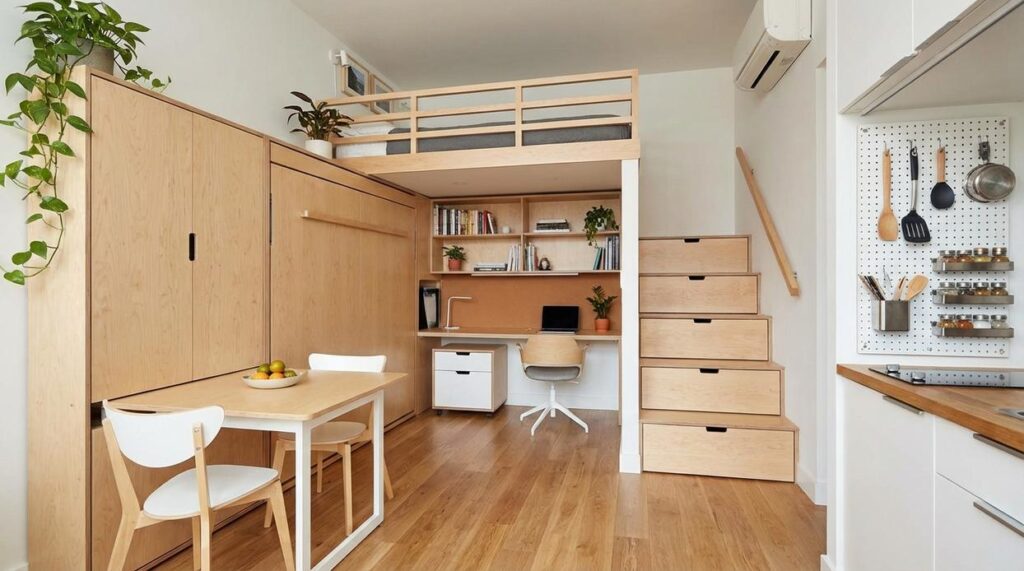
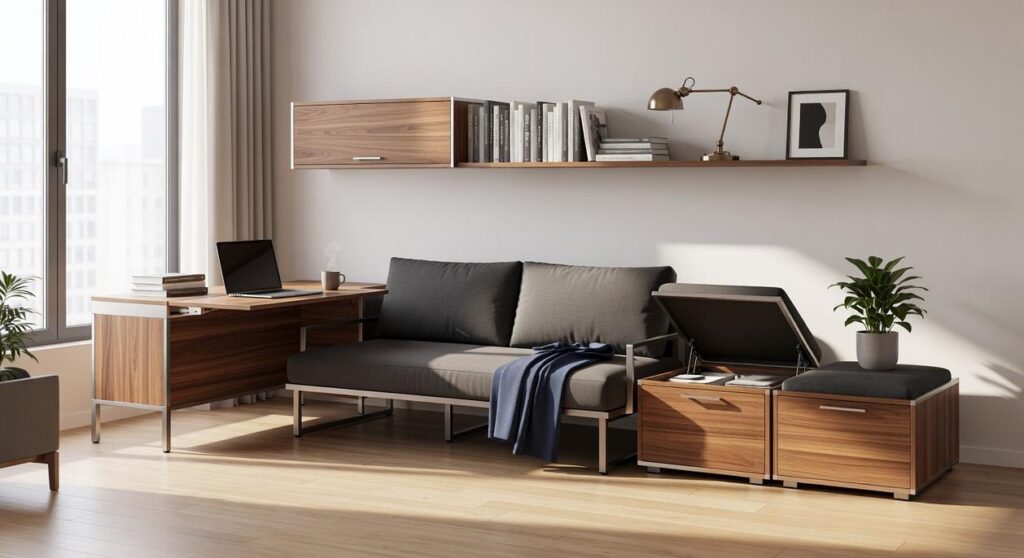
Creating a cozy, functional home in a limited space can feel overwhelming—especially when every square foot has to work harder. If you’re searching for practical ways to make your home feel bigger, calmer, and more intentional, this article is designed for you. We’ll explore smart layout ideas, aesthetic touches that enhance warmth, and decluttering strategies for small spaces that make a visible difference without requiring a full renovation.
Small-space living isn’t about sacrificing comfort—it’s about designing with purpose. Drawing from proven interior design principles, space-optimization techniques, and real-world styling insights, this guide focuses on solutions that are both beautiful and practical.
By the end, you’ll have clear, actionable ideas to transform tight corners into inviting retreats, maximize storage without adding bulk, and create a personalized home aesthetic that feels effortlessly organized and uniquely yours.
Living small can feel like a daily game of Tetris. Clutter creeps in, surfaces disappear, and suddenly your sanctuary feels like storage. But here’s the shift: you don’t need to own less—you need to use space better.
Start with decluttering strategies for small spaces to reset the room. Then:
- Choose dual-purpose furniture like ottomans with storage.
- Go vertical with shelves that draw the eye upward.
- Define zones using rugs or lighting.
Some argue small homes are limiting. I disagree. Constraints spark creativity (just ask any tiny-house owner). Pro tip: measure before buying anything. Intention turns chaos into calm. Every time.
Think Vertically: The Untapped Potential of Your Walls
Floor space is finite. Once the sofa, bed, and table are in, you’re done. Vertical space, however, is often ignored. Enter the GO UP principle: when you can’t spread out, build upward. (Yes, your walls are prime real estate.)
Floating shelves and traditional bookcases both store items, but they feel different. Floating shelves expose more wall, creating the illusion of openness. Bookcases offer capacity yet can look bulky in tight rooms. Pro tip: align shelves with door or window frames for visual balance, and stop them about 12 inches from the ceiling to avoid crowding.
Wall-mounted solutions go beyond shelves. Consider:
- A fold-down desk in a studio apartment.
- A wall-mounted dining table for flexible meals.
- A metal wall grid in kitchens for utensils and notes.
These ideas pair beautifully with decluttering strategies for small spaces by freeing floors and simplifying sightlines.
Mini-tutorial: Install a picture ledge system.
- Measure and mark studs.
- Drill pilot holes.
- Secure ledges with anchors.
- Layer frames, overlapping slightly for depth.
Keep surfaces clear, THINK VERTICAL, and watch your room expand visually. Small shifts create surprisingly dramatic spatial transformations with minimal effort.
Multi-Functional Magic: Furniture That Works Overtime

The golden rule of small-space living is simple: every large piece should do at least two jobs. A sofa that only sits? That’s wasted potential (and precious square footage).
The Living Room Champions
Storage Ottoman vs. Standard Coffee Table
- Ottoman: footrest, extra seating, hidden storage for throws, remotes, even board games.
- Coffee table: surface space, sometimes shelving below.
If you’re choosing between the two, ask yourself: do you need more surface area or more hidden storage? In tighter apartments, the ottoman usually wins. (Think of it as the Swiss Army knife of seating.)
Sleeper Sofa vs. Traditional Sofa
A traditional sofa offers comfort and style. A sleeper sofa adds a guest bed—ideal if your “guest room” is actually the living room. Some argue sleepers compromise comfort, but modern designs rival standard couches (see reviews from brands like West Elm and Article).
Nesting coffee tables also outperform bulky single tables. Spread them out for guests; tuck them in when you need floor space.
The Dining Area Innovators
Drop-Leaf Table vs. Fixed Dining Table
Drop-leaf tables expand when needed and fold down after dinner. Fixed tables? Reliable, but space-hungry.
Expandable console tables are even sneakier—slim against a wall by day, full dining setup by night (very Clark Kent energy).
Stackable chairs beat oversized armchairs when storage matters. Use decluttering strategies for small spaces.
Bedroom Heroes
Lift-Up Storage Bed vs. Standard Frame
A lift-up bed hides luggage and seasonal bedding underneath—no extra closet required.
Headboards with built-in shelving replace nightstands entirely. Pro tip: choose closed shelving if you prefer a calmer, less visual-clutter look.
In small homes, function isn’t optional. It’s everything.
The Art of Decluttering: A Practical Room-by-Room Strategy
I used to think decluttering meant pulling everything out, making a bigger mess, then giving up halfway through (usually with a “reward” coffee in hand). What finally worked was changing my mindset first.
Mindset First: The Container Concept
Instead of asking, “Do I love this?” I ask, “Does this fit the space I have?” That’s the Container Concept—every shelf, drawer, or closet is a fixed container. If it doesn’t fit comfortably, something has to go. It’s simple, non-dramatic, and perfect for decluttering strategies for small spaces.
Some people argue this feels restrictive. But honestly, limits create clarity. Just like a carry-on suitcase forces smarter packing, a defined container forces smarter keeping.
The Entryway Blitz (15 Minutes)
Next, start where clutter enters. I created a small “drop zone”: a tray for keys, a wall hook for bags, and a slim bin for shoes. Mail gets sorted immediately—trash, action, or file. No “I’ll deal with it later” pile (because we both know what happens).
The Kitchen Purge
Clear countertops first. Then check appliances:
- Used weekly? Keep accessible.
- Used monthly? Store higher up.
- Used once last year? Donate.
My bread maker didn’t survive this round.
The Closet Edit
Sort into four piles: keep, store, donate, discard. Try the hanger trick: turn all hangers backward. As you wear items, flip them. After three months, what’s still backward goes.
And if you need more ideas, explore 15 clever storage ideas for small apartments.
Decluttering isn’t about perfection. It’s about breathing room—and trust me, you’ll feel it immediately.
Clever Concealment: Hiding Clutter in Plain Sight
Under your bed lies real estate waiting to breathe. Slide in wheeled storage bins gliding softly, or tuck away off-season linens in vacuum-sealed bags that shrink with a satisfying hiss. Beneath sofas, shallow drawers keep board games dust-free and fingertips happy.
On open shelves, decorative boxes, woven baskets, and linen-lined bins swallow visual noise while adding texture and scent. They’re decluttering strategies for small spaces that look intentional, not improvised.
For cable chaos control, wrap cords in fabric sleeves, anchor them with adhesive clips, or corral power strips inside a cable management box.
Your cozy, organized haven isn’t a fantasy; it’s the result of smart, intentional choices. Remember the tight-chested stress of walking into a cramped, cluttered room where every surface felt like a junk drawer? That feeling shrinks your energy. Now, think of your space as a suitcase: when you pack it thoughtfully, everything fits and travels smoothly. That’s why decluttering strategies for small spaces work—they’re about design, not deprivation. Some argue minimalism feels restrictive, but intention is freedom. So, start small: choose one tip, clear one shelf, and watch momentum unfold. Step by step, your haven comes to life. Today begins.
Create a Home That Finally Feels Spacious and Calm
You came here looking for practical ways to make your small space feel bigger, lighter, and more functional. Now you have the inspiration and direction to turn tight corners and crowded surfaces into a home that feels intentionally designed rather than overwhelmed.
The frustration of clutter stealing your comfort is real. When every inch matters, disorganization quickly becomes stress. That’s why applying decluttering strategies for small spaces isn’t just about tidying up — it’s about reclaiming peace, flow, and functionality in your everyday life.
Start small. Clear one surface today. Rework one storage area this week. Choose multi-functional pieces that earn their place. Consistent action creates visible change.
If you’re ready to transform your compact home into a cozy, beautifully organized retreat, explore more space-smart ideas and proven decluttering strategies for small spaces that are designed to maximize every square foot. Thousands of readers rely on these practical, style-forward solutions to simplify their homes — and you can too.
Take the first step now and turn your small space into your favorite place.