
If you’re searching for fresh inspiration to transform your home into a space that feels both stylish and deeply personal, you’re in the right place. This article is designed to help you explore modern interior design styles while discovering practical, livable ideas you can actually use—whether you’re refreshing a single room or reimagining your entire home.
We focus on cozy living concepts, smart space-saving solutions, and thoughtful design details that elevate everyday life. Instead of overwhelming you with trends that fade quickly, we break down what truly works: functional layouts, balanced color palettes, layered textures, and aesthetic choices that reflect your personality.
Our insights are grounded in real-world design principles, current style research, and hands-on home styling experience. You’ll find clear guidance, actionable tips, and creative inspiration tailored to modern living—so you can confidently create a home that feels beautiful, comfortable, and uniquely yours.
Scrolling through endless feeds of picture-perfect rooms can feel less inspiring and more exhausting. One minute you’re saving minimalist kitchens, the next you’re drowning in color-drenched maximalism. It’s no wonder your own space feels stuck. The truth? You don’t need every trend. You need clarity. This guide cuts through the noise, spotlighting modern interior design styles that balance beauty and function. Think cozy textures, smart storage, and rooms that work on busy Mondays. Create a sanctuary, not a showroom. Start small, edit ruthlessly, and design for real life. Because your home should breathe with you. Not impress strangers online. Anyway.
The New Definition of Contemporary: It’s All About You
Contemporary design in 2024 isn’t a strict rulebook—it’s a mindset. At its core, contemporary means “of the moment.” Unlike modern design (a specific early-to-mid 20th-century movement known for mid-century modern furniture and clean function-first forms), contemporary evolves constantly. Think of it as a living playlist, not a greatest-hits album.
Some argue contemporary spaces feel cold or impersonal. And sure, an all-white room with no texture can feel like a gallery you’re afraid to sit in. But that’s a misunderstanding. The philosophy is about creating a calm backdrop for real life—not erasing personality.
The Core Principles
Start with these foundations:
- Neutral base: whites, warm grays, taupe, or soft beige
- Layered texture: bouclé chairs, linen drapes, natural wood grain
- Geometric shapes: curved sofas, rectangular coffee tables, bold lighting
Pro tip: If your room feels flat, add one tactile material (like a woven rug) before changing paint.
Make It Personal
Here’s the practical part: clear clutter first. Then reintroduce only meaningful pieces—travel souvenirs, framed art, or a sculptural lamp. In many modern interior design styles, contrast is key, so pair a sleek console with a vintage mirror.
The goal isn’t perfection. It’s a space that feels edited, intentional, and unmistakably yours (yes, even if that includes your slightly chaotic bookshelf).
Biophilic Design: Weaving Nature into Your Walls
Biophilic design stems from biophilia—the idea that humans have an innate need to connect with nature. Coined by biologist E.O. Wilson, the term explains why a walk in the park feels restorative (and why windowless rooms feel draining). In interiors, biophilic design means intentionally weaving natural elements into your home to create calm, balance, and subtle sensory comfort.
Some skeptics argue it’s just another Instagram trend—plants staged in minimalist corners. But true biophilic design goes deeper than décor. It’s a wellness practice backed by research showing exposure to natural light and greenery can reduce stress and improve cognitive performance (Human Spaces Report, 2015).
Practical ways to apply it:
- Maximize natural light with sheer curtains and strategic mirror placement to reflect garden views indoors.
- Layer natural materials like rattan, jute, stone, and unfinished wood for tactile warmth.
- Use nature-based colors—earthy greens, sky blues, terracotta—to ground the palette.
- Choose landscape art to create visual depth where real views aren’t possible.
In modern interior design styles, especially Scandinavian and Japandi, this approach enhances simplicity with soul. Pro tip: place seating where daylight shifts throughout the day (your mood will follow). It’s not just styling—it’s designing for how you feel at home.
Curated Nostalgia: The Art of the Personal Story
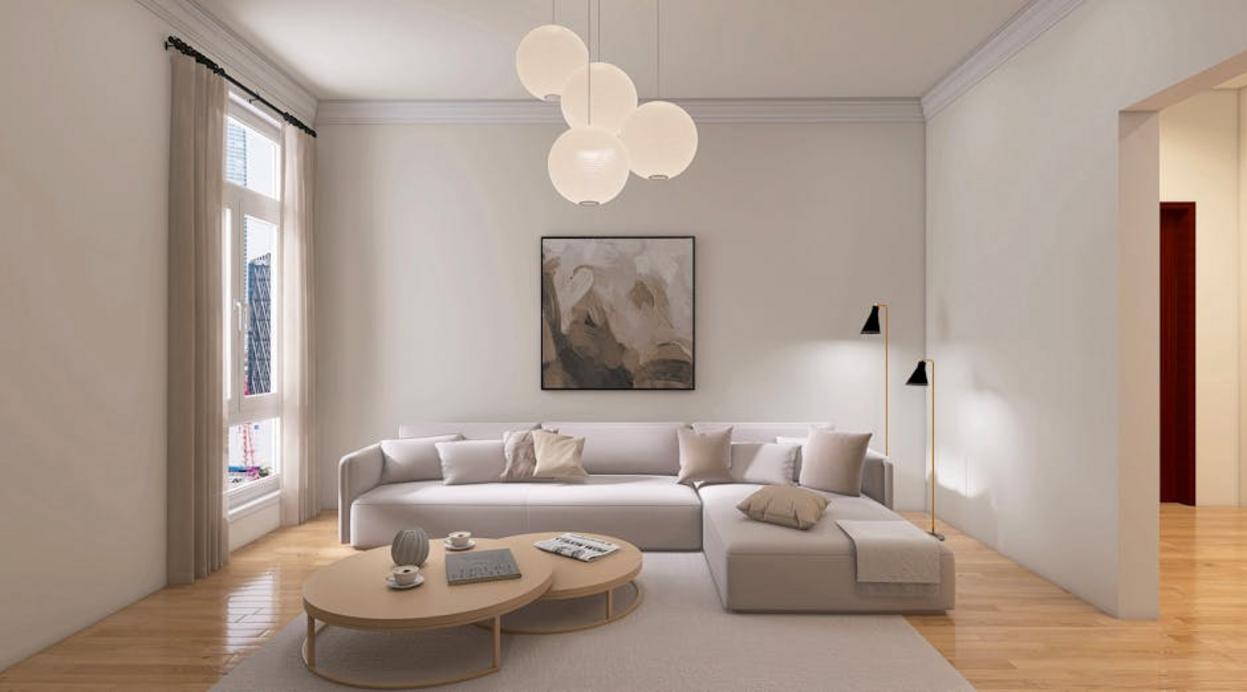
“Newstalgia” is the artful blending of vintage pieces with sleek, contemporary design to create a home that feels layered and lived-in. Instead of the staged, catalog-perfect showroom look, this approach embraces contrast—think a 1960s teak sideboard beneath minimalist lighting. In fact, a 2023 Houzz survey found that 58% of homeowners prefer mixing old and new furnishings to create more personalized spaces (Houzz, 2023).
So, how do you achieve it without veering into clutter? Start with one anchor piece—a sculptural armchair, a weathered trunk, or a brass bar cart. Then, build around it using clean-lined elements common in modern interior design styles. This balance keeps the room grounded rather than dated.
| Element | Vintage Touch | Modern Counterpoint |
|———-|—————-|———————|
| Living Room | Mid-century sideboard | Streamlined sofa |
| Bedroom | Antique mirror | Neutral bedding |
| Office | Retro desk lamp | Minimal desk |
Admittedly, some argue mixing eras creates visual chaos. However, studies in environmental psychology suggest layered environments feel more meaningful and comforting than uniform spaces (Journal of Environmental Psychology, 2019).
For sourcing, explore flea markets, estate sales, and online marketplaces—the thrill of discovery is half the magic (and often budget-friendly). As you refine your space, revisit how to plan a functional floor layout for small apartments to ensure every nostalgic find fits beautifully.
Smarter Living: Design That Works as Hard as You Do
Space is tighter than ever, and as a result, every square foot has to earn its keep. The home office that becomes a guest room isn’t a luxury anymore—it’s reality. Multifunctionality simply means one space serving multiple purposes without sacrificing comfort. When done well, you gain flexibility, reduce clutter, and make your home feel intentionally designed (not like a storage unit with Wi‑Fi).
So how do you make it work? Start with smart swaps:
- Modular furniture that reconfigures for work, sleep, or lounging.
- Vertical storage to draw the eye upward and free floor space.
- Hidden storage pieces like ottomans or lift-top coffee tables.
Next, zone open areas without building walls. For example, anchor your living area with a rug, position a sofa to subtly divide space, or vary lighting—pendants for dining, task lamps for work. Consequently, each “zone” feels purposeful, boosting focus and relaxation alike.
Finally, integrate tech seamlessly. Use smart bulbs in vintage lamps or speakers that double as art. The benefit? Convenience without compromising warmth. Even modern interior design styles can feel cozy when technology blends in rather than shouts (because no one wants their living room to look like a spaceship).
Creating Your Timeless, Contemporary Haven
Think of your home like a well-tailored jacket: trends may change, but the right fit always feels good. This guide was your blueprint for moving beyond fleeting fads and toward something lasting. The goal isn’t to copy a showroom from modern interior design styles—it’s to shape a space that works for your real, everyday life (yes, even the messy parts).
A beautiful home should:
- Support your routines
- Reflect your personality
- Feel comfortable and functional
Pro tip: start small. Add one new texture, thrift a vintage find, or simply rearrange a room today.
Bring Your Dream Space to Life with Confidence
You came here looking for clarity and inspiration around modern interior design styles, and now you have a clearer vision of how to transform your space into something both functional and beautifully personal. From clean lines and intentional layouts to cozy textures and space-saving ideas, you’ve seen how thoughtful design can completely change the way your home feels.
If you’re feeling overwhelmed by cluttered rooms, mismatched decor, or a space that just doesn’t reflect you, you’re not alone. A home that lacks harmony can quietly drain your energy every single day. The good news? With the right inspiration and practical strategies, creating a stylish, comfortable home is absolutely within reach.
Now it’s time to take action. Start by choosing one room and applying the ideas that resonated most—whether that’s simplifying your layout, adding layered lighting, or incorporating smart storage solutions. Explore more design inspiration, try a new layout this week, and commit to small upgrades that make a big impact.
Thousands of readers turn to us for trusted, practical home inspiration that actually works. If you’re ready to stop second-guessing your design choices and finally create a space that feels calm, modern, and truly yours, dive into our latest guides and start transforming your home today.