
Stuck on a crossword or word puzzle, huh? You’re not alone. I get it.
It’s frustrating when you hit a wall, especially with a clue about a New Zealand reptile crossword clue.
Let me cut to the chase. I’ll give you the most common hints and solutions right away. But here’s the thing: this answer is more than just a word.
It’s a key to a world of unique, ancient creatures.
You might be wondering why these reptiles are so special. Well, New Zealand’s ecosystem is like no other. It’s created reptiles found nowhere else on Earth.
This guide will solve your puzzle and reveal fascinating facts about these remarkable animals. Trust me, it’s worth the read.
The Puzzle Hint You’re Probably Looking For
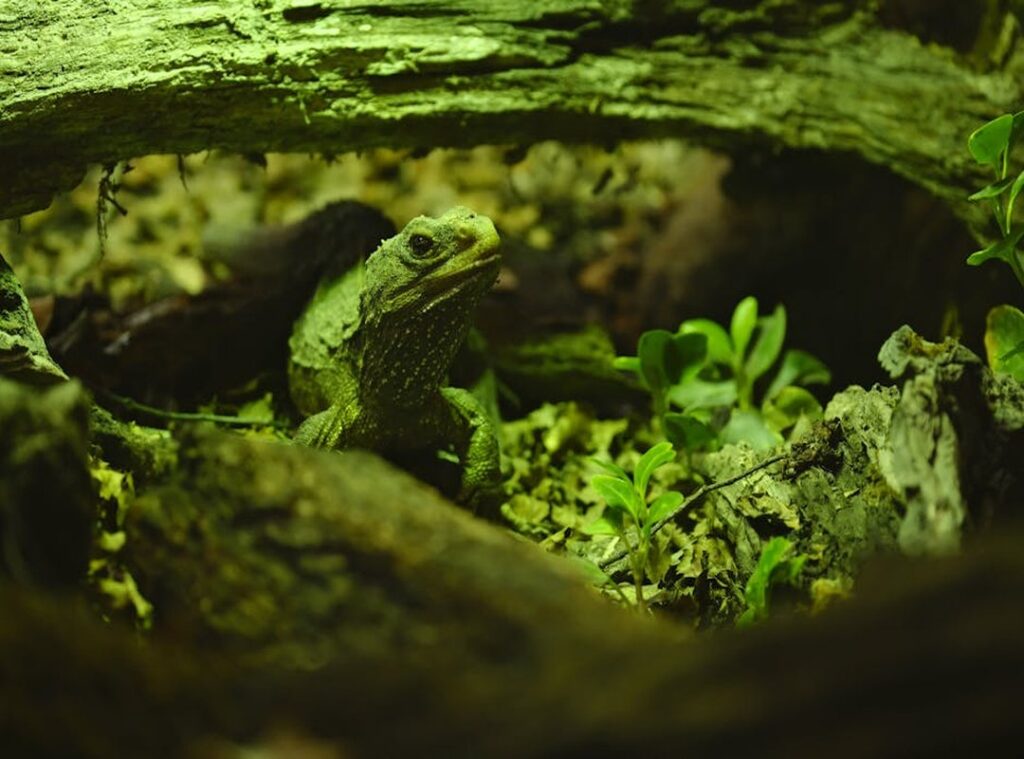
The most common answer is TUATARA. This is the most famous and unique reptile from New Zealand, often used in puzzles.
For 7 letters: TUATARA. This is the prime candidate.
For 5 letters: GECKO or SKINK. These are the other main groups of reptiles in New Zealand.
The Tuatara is such a popular puzzle answer due to its unique name and status. It stands out and is memorable, making it a favorite for puzzle creators.
When you see new zealand reptile crossword clue, think TUATARA first. If that doesn’t fit, check the letter count against GECKO or SKINK to find the perfect match.
Meet the Tuatara: The Living Fossil with a Third Eye
The tuatara is often mistaken for a lizard, but it’s not. It’s the last survivor of an ancient order of reptiles called Sphenodontia that lived alongside dinosaurs.
One of its most famous features is the parietal ‘third eye’ on the top of its head. This eye is sensitive to light and helps regulate circadian rhythms.
Its unique physical characteristics set it apart. For example, the spiny crest along its back (which gives it its Māori name, ‘tuatara’) and its two rows of upper teeth.
Now, let’s compare the tuatara to other reptiles. Unlike many, the tuatara prefers cool climates. Most reptiles thrive in warmer environments, but the tuatara is quite content in cooler conditions.
Another striking difference is its longevity. Tuataras can live for over 100 years. That’s way longer than your average lizard or snake.
Conservation is a big deal for the tuatara. In New Zealand, efforts are ongoing to protect this national treasure from threats like introduced predators.
Interestingly, the tuatara also makes for a great New Zealand reptile crossword clue. It’s a small detail, but it shows how embedded this creature is in the culture.
Understanding these differences can help you appreciate why the tuatara is such a unique and important species.
Beyond the Tuatara: Discovering New Zealand’s Other Reptiles

When you think of New Zealand reptiles, the tuatara often comes to mind. But there are other fascinating creatures too. Let’s talk about geckos (ngārara) and skinks (mokomoko).
New Zealand geckos are unique. Unlike most geckos worldwide, they give birth to live young instead of laying eggs. This makes them stand out in the reptile world.
One interesting species is the harlequin gecko. Its vibrant colors and patterns make it a real standout. Another is the Duvaucel’s gecko, one of the largest geckos in the world.
New Zealand skinks are typically smooth-skinned, slender, and fast-moving. You’ll often find them basking in the sun. They’re quite different from geckos in both appearance and behavior.
How do you tell a gecko from a skink? Geckos have velvety skin and wider heads. Skinks, on the other hand, are sleek and glossy.
It’s a simple but effective way to distinguish between the two.
If you’re into puzzles, here’s a fun fact: New Zealand reptile crossword clue can be a great way to learn more about these unique species.
For more curious insights and detailed information, check out Llbloghome.
Why Are New Zealand’s Reptiles So Special?
New Zealand’s 80 million years of isolation allowed its wildlife to evolve in a unique way. Island biogeography is the key concept here.
No native land mammals, except for a few bat species, meant reptiles filled ecological niches that mammals occupy elsewhere. This lack of mammalian predators allowed these reptiles to develop some fascinating traits:
– Slower metabolisms
– Longer lifespans
– Live birth
Seeing a native New Zealand reptile in the wild is a rare and special experience.
The impact of human settlement and the introduction of predators like rats, stoats, and cats now pose the biggest threat to these native reptiles. These invasive species have drastically altered the ecosystem, making survival even more challenging for the native reptiles.
Next time you’re solving a New Zealand reptile crossword clue, remember the unique evolutionary and historical factors that make these creatures so extraordinary.
Your Puzzle Solved and a New World Discovered
The puzzle answer was likely ‘Tuatara,’ a remarkable creature that’s more than just a word. This unique reptile, often referred to as a new zealand reptile crossword clue, is a living fossil. It has survived for over 200 million years, making it a fascinating link to the prehistoric past.
New Zealand is also home to unique live-bearing geckos and sleek skinks. These species add to the island’s rich biodiversity. A simple puzzle clue can open the door to learning about incredible aspects of the natural world.
Take a moment to appreciate the unique biodiversity of places like New Zealand. Conservation efforts are crucial to preserving these extraordinary creatures. How much hidden history can be found in the answers to simple questions?

 There is a specific skill involved in explaining something clearly — one that is completely separate from actually knowing the subject. Charlesie Stonechoz has both. They has spent years working with interior design inspirations and layouts in a hands-on capacity, and an equal amount of time figuring out how to translate that experience into writing that people with different backgrounds can actually absorb and use.
Charlesie tends to approach complex subjects — Interior Design Inspirations and Layouts, Highlight Hub, Curious Insights being good examples — by starting with what the reader already knows, then building outward from there rather than dropping them in the deep end. It sounds like a small thing. In practice it makes a significant difference in whether someone finishes the article or abandons it halfway through. They is also good at knowing when to stop — a surprisingly underrated skill. Some writers bury useful information under so many caveats and qualifications that the point disappears. Charlesie knows where the point is and gets there without too many detours.
The practical effect of all this is that people who read Charlesie's work tend to come away actually capable of doing something with it. Not just vaguely informed — actually capable. For a writer working in interior design inspirations and layouts, that is probably the best possible outcome, and it's the standard Charlesie holds they's own work to.
There is a specific skill involved in explaining something clearly — one that is completely separate from actually knowing the subject. Charlesie Stonechoz has both. They has spent years working with interior design inspirations and layouts in a hands-on capacity, and an equal amount of time figuring out how to translate that experience into writing that people with different backgrounds can actually absorb and use.
Charlesie tends to approach complex subjects — Interior Design Inspirations and Layouts, Highlight Hub, Curious Insights being good examples — by starting with what the reader already knows, then building outward from there rather than dropping them in the deep end. It sounds like a small thing. In practice it makes a significant difference in whether someone finishes the article or abandons it halfway through. They is also good at knowing when to stop — a surprisingly underrated skill. Some writers bury useful information under so many caveats and qualifications that the point disappears. Charlesie knows where the point is and gets there without too many detours.
The practical effect of all this is that people who read Charlesie's work tend to come away actually capable of doing something with it. Not just vaguely informed — actually capable. For a writer working in interior design inspirations and layouts, that is probably the best possible outcome, and it's the standard Charlesie holds they's own work to.