
Choosing between an open floor plan vs defined spaces is one of the most important decisions you’ll make when designing or refreshing your home. If you’re here, you’re likely weighing the airy, connected feel of open layouts against the privacy, structure, and purpose-driven comfort of clearly separated rooms. Both options shape how you live, entertain, work, and relax—so the right choice depends on more than just trends.
In this guide, we break down the real-life benefits and drawbacks of each layout, from functionality and flow to noise control and design flexibility. You’ll discover how each approach impacts daily routines, storage potential, and overall ambiance.
Our insights are grounded in practical interior design principles, space-planning strategies, and real-world living considerations—so you can make a confident, informed decision that aligns with your lifestyle and aesthetic goals.
The Great Debate: Crafting Your Perfect Space
Picture this: a dinner party buzzing through a sunlit kitchen and living area. Now contrast that with a quiet reading nook tucked behind a solid door. Choosing between an open floor plan vs defined spaces shapes how you live every day.
To decide confidently, compare these key factors:
- Social Flow: Open layouts encourage connection and easier hosting.
- Privacy: Defined rooms reduce noise and create focused zones.
- Flexibility: Open areas adapt; separate rooms feel purposeful.
- Cost: Walls add materials, but open concepts may need structural support.
Ultimately, match your layout to your routines, not trends.
Flow and Functionality: How Do You Live and Work?
When deciding how your home should function, it ultimately comes down to this: how do you want to feel in your space every day? Because layout isn’t just architectural—it shapes your routines, relationships, and even your stress levels.
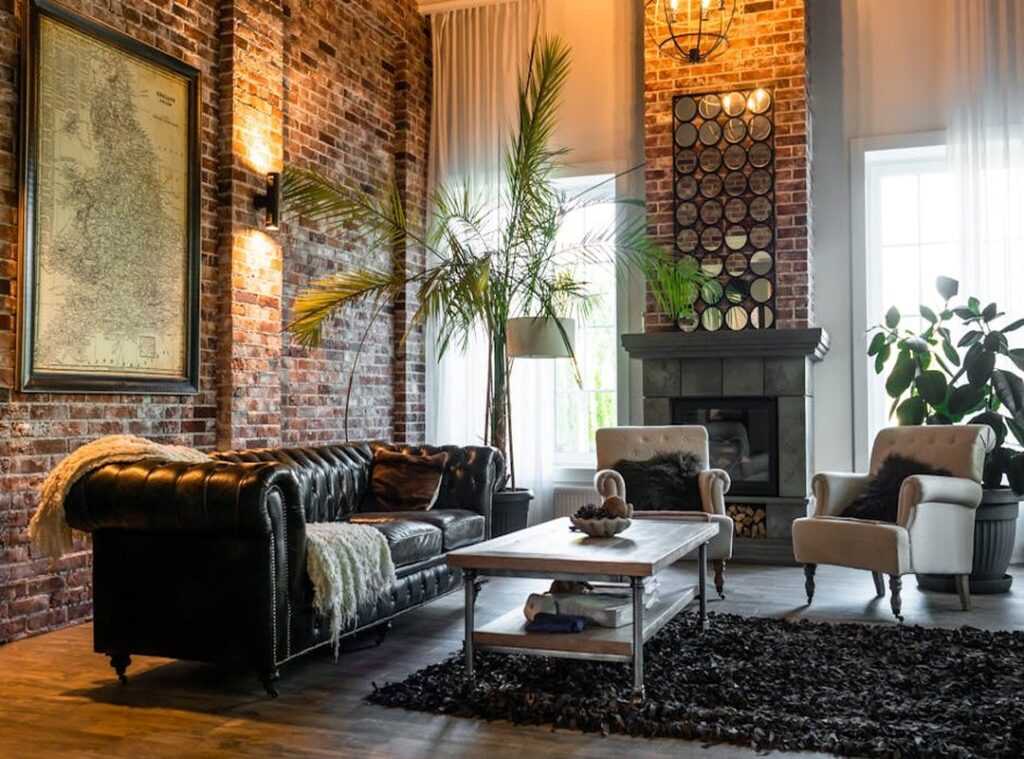
The Case for Open Plans: Fostering Connection and Light
To begin with, open concepts shine when it comes to spaciousness. By minimizing walls, you allow natural light to travel freely, making even modest square footage feel expansive. In fact, studies show that increased daylight can boost mood and productivity (Harvard T.H. Chan School of Public Health). That’s a tangible everyday benefit.
Just as importantly, open layouts nurture connection. A kitchen that flows into the living area allows hosts to cook while still engaging with guests. Parents can prep dinner while keeping an eye on homework. You’re never cut off from the action (no more shouting conversations across walls).
Critics argue that noise and clutter travel just as easily as light. Fair point. However, thoughtful storage and zoning with rugs or lighting can preserve openness while maintaining order. The result? A home that feels social, airy, and alive.
The Power of Defined Spaces: Creating Purpose-Built Zones
On the other hand, separate rooms offer clarity. Defined spaces naturally reduce visual clutter and create psychological boundaries between work, rest, and play. A dedicated dining room allows for formal entertaining, separate from the mess of the kitchen.
With open floor plan vs defined spaces, the real benefit lies in choosing what supports your lifestyle. Defined rooms provide focus, privacy, and curated aesthetics tailored to each function—ideal if you value calm and structure.
Ultimately, the right choice rewards you with a home that works with you, not against you.
The Challenge of Open Concepts: A Shared Soundscape
Open layouts look airy and inviting, but let’s talk about the real-life soundtrack. In a single shared space, a blaring TV, a whirring kitchen blender, and a Zoom call can collide in seconds. Sound waves don’t respect visual boundaries; they travel freely across hard surfaces like wood floors and drywall. The result? Cognitive overload—when competing noises reduce your ability to focus (research from the University of California shows noise significantly impacts productivity and memory).
Some argue that background noise adds “energy” to a home. And sure, a little buzz can feel lively. But when you’re trying to meet a deadline or unwind with a book, that energy becomes distraction.
If you’re weighing open floor plan vs defined spaces, start by addressing acoustics first. Add area rugs to absorb echo, install acoustic panels (sound-absorbing boards that reduce reverberation), and position bookshelves against shared walls. Even plush furniture helps soften sound. Pro tip: Layer textiles—curtains, cushions, and upholstered headboards—to create subtle sound buffers without sacrificing style.
The Sanctuary of Defined Spaces: Walls as Boundaries

On the other hand, walls and doors naturally contain sound. They act as physical barriers, limiting noise transfer and creating psychological privacy. A closed-off office ensures quiet for video conferences, even when the rest of the home is active. Bedrooms, meditation nooks, and meeting rooms all benefit from this separation.
If privacy and calm are priorities, choose rooms with doors. Sometimes, solitude isn’t antisocial—it’s essential.
Flexibility, Cost, and Resale Value
Adaptability in Open Plans
An open layout removes interior walls to create a continuous, multi-use living space. The biggest feature? Furniture flexibility. A sectional can define a lounge zone, a bookshelf can act as a subtle divider, and a dining table can expand for holidays or shrink for daily meals. You can reconfigure the room for parties, movie nights, or quiet weekends without touching a single wall (which feels a bit like set design for your own life).
That said, adaptability has limits. If your needs change—say you require a nursery, guest room, or private office—an open space doesn’t magically create walls. This is where open floor plan vs defined spaces becomes a practical debate rather than a stylistic one.
For layout inspiration within tighter footprints, explore small living room layout ideas that maximize comfort.
The Structural Cost of Each Layout
Creating openness during renovation often requires installing engineered structural beams to replace load-bearing walls. Steel or laminated veneer lumber (LVL) beams add strength—but also cost. According to HomeAdvisor, removing a load-bearing wall can range from $1,200 to $10,000 depending on complexity (2024).
Defined spaces, however, offer mechanical efficiency. Separate rooms are typically easier to heat and cool because conditioned air is contained, potentially lowering energy use (U.S. Department of Energy).
Thinking About Resale
Open concepts dominated the 2010s market. Yet post-2020, demand for enclosed home offices increased as remote work surged (National Association of Realtors). Families now prioritize privacy, acoustics, and multifunctional rooms.
The resale advantage ultimately depends on your target buyer. Young professionals may prefer airy entertaining areas. Growing families often value doors that close (sometimes desperately).
When comparing residential and commercial design, context changes everything.
At home, the debate over open floor plan vs defined spaces is personal. I believe families thrive with a hybrid setup: an airy kitchen and living area for connection, plus a tucked-away office for sanity (because Zoom calls and toddlers rarely mix).
Consider:
- Family size and routines
- Entertaining style and noise tolerance
- Storage and privacy needs
Meanwhile, offices and spaces hinge on workflow and brand identity. Open layouts promise collaboration, yet studies show noise reduces productivity (Harvard Business Review). Defined zones encourage focus, though they can feel siloed.
Designing Your Blueprint for Living
The ideal floor plan isn’t a passing trend; it’s a mirror of how you actually live. The real tension—open floor plan vs defined spaces—comes down to light and sociability versus privacy and order. Open layouts maximize natural light flow and sightlines (great for keeping an eye on kids), while defined rooms improve acoustics and concentration, according to architectural studies on noise transfer (ASHRAE).
Try a lifestyle audit. List your top three priorities: quiet work, family cooking, formal entertaining. Then ask which layout supports them with functional comfort. Design for your days, not Instagram first.
Bringing Your Space Together With Confidence
You started this journey trying to decide between open floor plan vs defined spaces, hoping to create a home that truly fits your lifestyle. Now you understand how each layout affects flow, privacy, storage, and the overall feeling of comfort in your space.
Choosing the wrong layout can leave your home feeling chaotic, cramped, or disconnected. But when your layout aligns with how you live day to day, everything feels easier—cleaner sightlines, smarter storage, and rooms that actually support your routines.
The next step is simple: evaluate how you use your space daily and start implementing one or two intentional changes that bring clarity and function to your layout. If you want cozy, practical design ideas that solve real-life space challenges, explore more of our proven home tips and space-saving strategies. We’re trusted by thousands of readers looking to transform overwhelming spaces into warm, functional homes—so dive in and start reshaping your home with confidence today.

 There is a specific skill involved in explaining something clearly — one that is completely separate from actually knowing the subject. Charlesie Stonechoz has both. They has spent years working with interior design inspirations and layouts in a hands-on capacity, and an equal amount of time figuring out how to translate that experience into writing that people with different backgrounds can actually absorb and use.
Charlesie tends to approach complex subjects — Interior Design Inspirations and Layouts, Highlight Hub, Curious Insights being good examples — by starting with what the reader already knows, then building outward from there rather than dropping them in the deep end. It sounds like a small thing. In practice it makes a significant difference in whether someone finishes the article or abandons it halfway through. They is also good at knowing when to stop — a surprisingly underrated skill. Some writers bury useful information under so many caveats and qualifications that the point disappears. Charlesie knows where the point is and gets there without too many detours.
The practical effect of all this is that people who read Charlesie's work tend to come away actually capable of doing something with it. Not just vaguely informed — actually capable. For a writer working in interior design inspirations and layouts, that is probably the best possible outcome, and it's the standard Charlesie holds they's own work to.
There is a specific skill involved in explaining something clearly — one that is completely separate from actually knowing the subject. Charlesie Stonechoz has both. They has spent years working with interior design inspirations and layouts in a hands-on capacity, and an equal amount of time figuring out how to translate that experience into writing that people with different backgrounds can actually absorb and use.
Charlesie tends to approach complex subjects — Interior Design Inspirations and Layouts, Highlight Hub, Curious Insights being good examples — by starting with what the reader already knows, then building outward from there rather than dropping them in the deep end. It sounds like a small thing. In practice it makes a significant difference in whether someone finishes the article or abandons it halfway through. They is also good at knowing when to stop — a surprisingly underrated skill. Some writers bury useful information under so many caveats and qualifications that the point disappears. Charlesie knows where the point is and gets there without too many detours.
The practical effect of all this is that people who read Charlesie's work tend to come away actually capable of doing something with it. Not just vaguely informed — actually capable. For a writer working in interior design inspirations and layouts, that is probably the best possible outcome, and it's the standard Charlesie holds they's own work to.