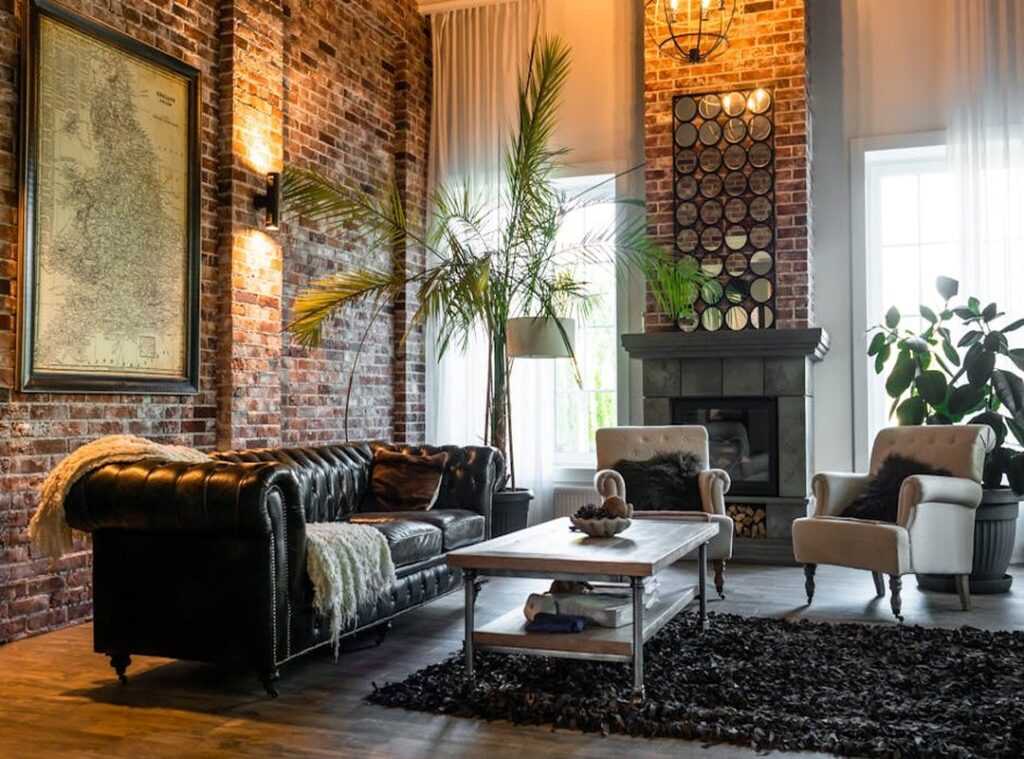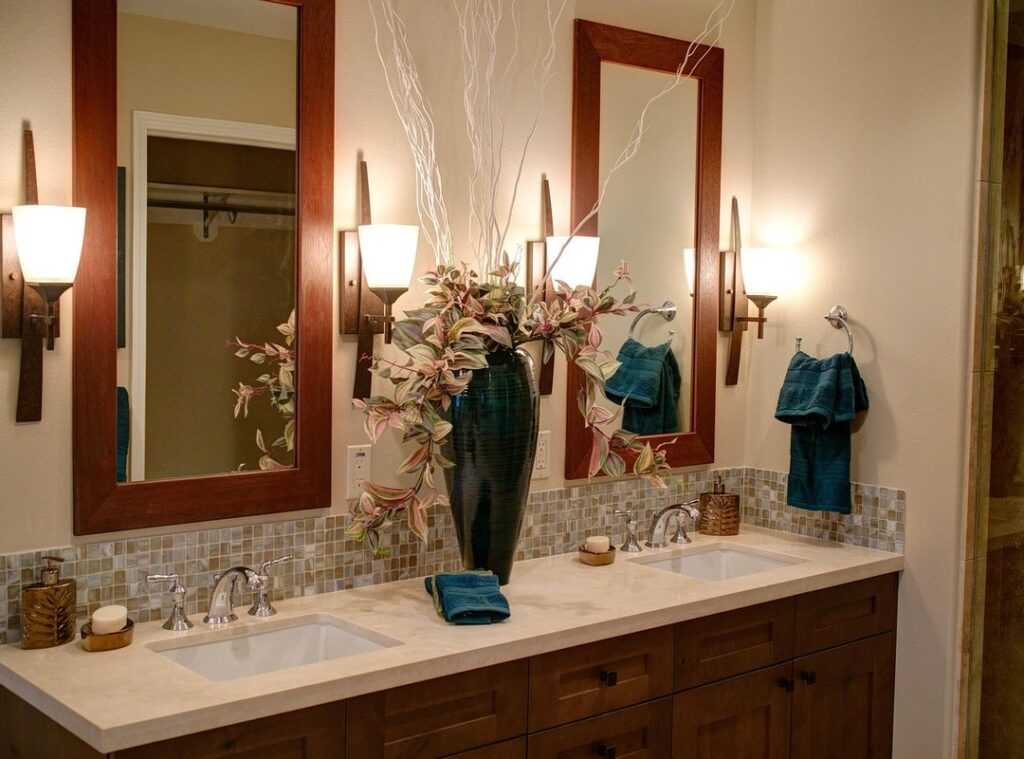

If you’re searching for fresh ways to create a calm, functional, and stylish home, this guide to modern minimalist interior design will give you exactly what you need. Today’s homeowners want spaces that feel open yet cozy, simple yet personal—and striking that balance can be challenging without the right direction.
This article explores practical design principles, space-saving solutions, and aesthetic ideas that transform everyday rooms into serene, clutter-free environments. From choosing the right color palettes and textures to maximizing small spaces without sacrificing warmth, you’ll discover actionable tips you can apply immediately.
Our insights are grounded in proven interior design concepts, current home styling trends, and real-world functionality. We draw from expert-backed design strategies and hands-on experience analyzing what truly works in modern homes.
Whether you’re refreshing a single room or reimagining your entire space, this guide will help you design with clarity, confidence, and purpose.
A Home That Works for You
Have you ever walked into your living room and felt overwhelmed instead of relaxed? Clutter hides in plain sight, stealing focus and energy. What if every chair, shelf, and lamp served a clear purpose? That’s the promise of modern minimalist interior design.
Simplicity is not emptiness; it is intention.
- Choose furniture that multitasks and fits your daily routines.
Does your space support your habits, or fight them? Start small, clear one surface, assign everything a home, and notice the calm that follows. Function creates freedom, and freedom feels like sanctuary. Is that enough today?
The Core Philosophy: Clean Lines and Open Spaces
Defining Contemporary Style
When designers say “contemporary,” they mean design rooted in the present moment. It reflects what feels current—uncluttered surfaces, strong lines, and thoughtful restraint. As one architect told me, “If you feel like you need to add one more thing, don’t.” That pause is the essence of modern minimalist interior design.
At its heart are bold horizontal and vertical lines. These lines—seen in streamlined sofas, linear lighting, or floor-to-ceiling windows—create order and visual harmony. A homeowner once remarked, “I didn’t realize how calm straight lines could make me feel.” That calm isn’t accidental; research in environmental psychology shows clean, organized spaces can reduce stress levels (Journal of Environmental Psychology, 2010).
Equally important is negative space—the empty areas around objects. Negative space is intentional emptiness that allows statement pieces to breathe. Think of it like a movie scene where silence heightens impact (less blockbuster chaos, more quiet indie film).
Practically speaking, choose furniture with exposed legs to enhance openness. Avoid ornate detailing or heavy decoration. “Let the room speak,” a stylist advised. And sometimes, what it says best is nothing at all.
Function First: Furniture and Layouts That Serve You
Before you pick a sofa color or fall in love with a sculptural chair, pause. How do you actually use this room every day? Do you binge-watch shows, host game nights, work from the couch, or fold laundry while catching up on podcasts? The function should drive the form (yes, even if that velvet sectional is calling your name).
When you start with purpose, choices get clearer. A living room that doubles as a guest space might need a convertible sofa. A small apartment craving order? Try an ottoman with hidden storage or nesting coffee tables that tuck away when not in use. Multi-functional furniture simply means one piece serves more than one job—saving space and sanity. Have you ever wished your furniture worked as hard as you do?
Now think about flow. Can you walk across the room without dodging corners? Are pathways at least 30–36 inches wide for comfortable movement (a common interior design guideline)? Good ergonomics—designing for human comfort and efficiency—means your layout feels intuitive. You shouldn’t have to sidestep a chair like you’re in an obstacle course.
Built-ins are another smart move. Custom shelving or window benches maximize vertical space and create a seamless look, especially in modern minimalist interior design. They reduce visual clutter and free up floor area (pro tip: add closed cabinets below and open shelves above for balance).
If you’re refining a workspace, explore how to design a functional home office layout.
So ask yourself: does your space look good, or does it truly serve you?
A Palette of Simplicity: Color, Texture, and Light

I used to think more color meant more personality. Instead, it meant chaos. After one too many impulse paint jobs, I learned that a neutral foundation does the heavy lifting. Whites, beiges, grays, and blacks create a calm backdrop that lets everything else breathe. In modern minimalist interior design, restraint isn’t boring—it’s strategic. Neutrals reflect light, reduce visual noise, and make small rooms feel expansive (something I wish I’d realized before painting a hallway charcoal).
However, going fully neutral can fall flat. At one point, my living room looked like a furniture showroom—polished but lifeless. That’s where strategic pops of color come in. A single bold artwork, a saturated throw pillow, or even a cobalt vase can anchor the eye without overwhelming the space. Think of it like adding hot sauce: a few drops wake everything up.
Still, critics argue that simplicity feels cold. I used to agree—until I learned to layer texture. Instead of adding clutter, try adding contrast:
- Smooth metal lighting against rough-hewn wood tables
- Soft linen curtains paired with plush wool throws
- Matte ceramics beside glossy glass accents
As a result, the room feels dimensional, not sterile.
Finally, maximize natural light. I once blocked beautiful windows with heavy drapes—big mistake. Choose sheer coverings, position mirrors opposite windows, and incorporate reflective surfaces to amplify daylight. Pro tip: even a light-toned rug can bounce light upward. In the end, simplicity works best when light, texture, and color quietly collaborate.
Smart Space-Saving Strategies for a Clutter-Free Life
Go Vertical: Wall-mounted shelves and tall, narrow bookcases pull the eye upward, making ceilings feel higher and rooms larger. The benefit? More floor space for living (and less tripping over baskets).
Hidden in Plain Sight: Choose ottomans or beds with concealed storage. You’ll enjoy cleaner surfaces and faster tidying—key to modern minimalist interior design.
The One-In, One-Out Rule: For every new item, remove one. This simple habit prevents buildup and protects your calm.
Zone Your Space:
- Use rugs to define lounging areas
- Group furniture by function
Clear zones create order, boosting focus and relaxation daily.
Embrace Clarity: Bringing Your Vision to Life
You now have the blueprint for creating a contemporary home rooted in modern minimalist interior design—where elegant simplicity meets daily function. The real win? Less clutter, less stress. When surfaces are crowded and storage is chaotic, your mind feels the same (ever notice how a messy table derails focus?).
Start small and stay practical:
- Clear one surface, keep only what you use weekly, then add one multi-functional piece like a storage bench.
Skeptics say minimal feels cold. Done right, it feels intentional—designed for living, not just looking. That is lasting change, truly.
Create a Home That Finally Feels Like You
You came here looking for clarity, inspiration, and practical ways to bring comfort and intention into your space. Now you understand how thoughtful layouts, calming palettes, and modern minimalist interior design can completely transform how your home looks and feels.
If you’ve been frustrated by clutter, mismatched décor, or rooms that just don’t feel right, you’re not alone. A home should recharge you — not overwhelm you. With the right cozy living concepts and smart space-saving ideas, you can turn even the smallest or most chaotic room into a place of calm and personality.
The next step? Start small. Choose one room. Declutter with purpose. Add textures, lighting, and design elements that reflect you. And if you want step-by-step inspiration, curated ideas, and proven styling tips trusted by thousands of home enthusiasts, explore more of our expert-backed guides today.
Your dream space isn’t far away — it starts with one intentional change. Take that step now and create a home you truly love coming back to.

 There is a specific skill involved in explaining something clearly — one that is completely separate from actually knowing the subject. Charlesie Stonechoz has both. They has spent years working with interior design inspirations and layouts in a hands-on capacity, and an equal amount of time figuring out how to translate that experience into writing that people with different backgrounds can actually absorb and use.
Charlesie tends to approach complex subjects — Interior Design Inspirations and Layouts, Highlight Hub, Curious Insights being good examples — by starting with what the reader already knows, then building outward from there rather than dropping them in the deep end. It sounds like a small thing. In practice it makes a significant difference in whether someone finishes the article or abandons it halfway through. They is also good at knowing when to stop — a surprisingly underrated skill. Some writers bury useful information under so many caveats and qualifications that the point disappears. Charlesie knows where the point is and gets there without too many detours.
The practical effect of all this is that people who read Charlesie's work tend to come away actually capable of doing something with it. Not just vaguely informed — actually capable. For a writer working in interior design inspirations and layouts, that is probably the best possible outcome, and it's the standard Charlesie holds they's own work to.
There is a specific skill involved in explaining something clearly — one that is completely separate from actually knowing the subject. Charlesie Stonechoz has both. They has spent years working with interior design inspirations and layouts in a hands-on capacity, and an equal amount of time figuring out how to translate that experience into writing that people with different backgrounds can actually absorb and use.
Charlesie tends to approach complex subjects — Interior Design Inspirations and Layouts, Highlight Hub, Curious Insights being good examples — by starting with what the reader already knows, then building outward from there rather than dropping them in the deep end. It sounds like a small thing. In practice it makes a significant difference in whether someone finishes the article or abandons it halfway through. They is also good at knowing when to stop — a surprisingly underrated skill. Some writers bury useful information under so many caveats and qualifications that the point disappears. Charlesie knows where the point is and gets there without too many detours.
The practical effect of all this is that people who read Charlesie's work tend to come away actually capable of doing something with it. Not just vaguely informed — actually capable. For a writer working in interior design inspirations and layouts, that is probably the best possible outcome, and it's the standard Charlesie holds they's own work to.