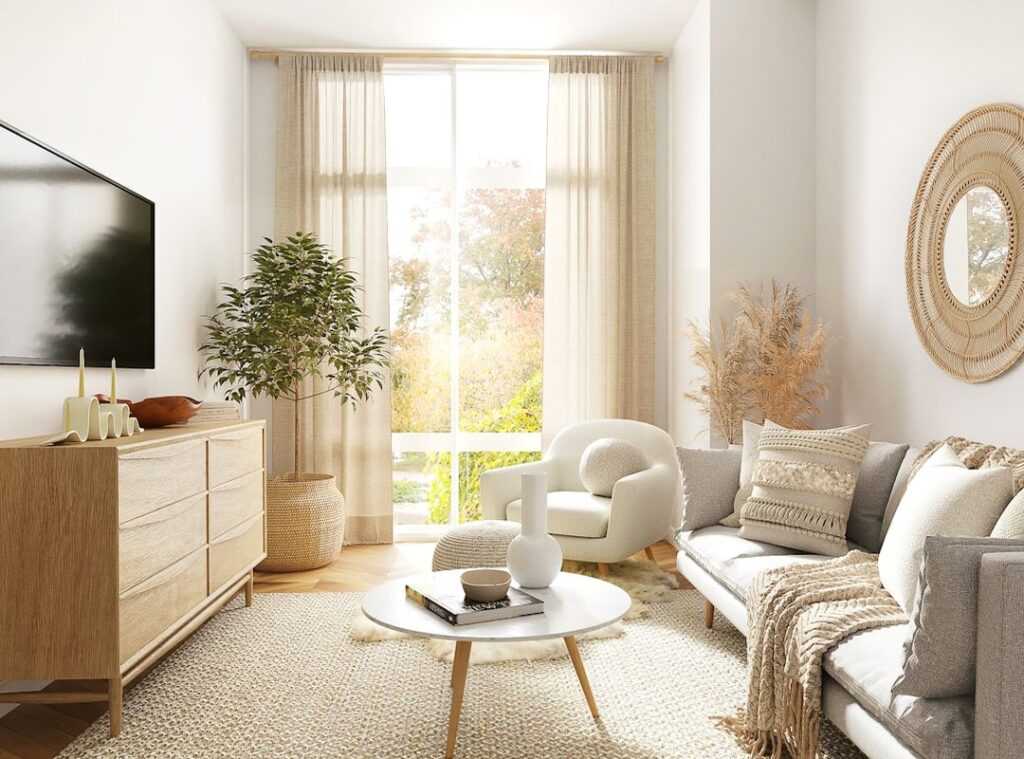

If you’re searching for practical, inspiring ways to master mixing vintage and modern decor, you’re likely trying to create a home that feels layered, personal, and timeless—without looking mismatched or cluttered. This article is designed to help you do exactly that. We’ll break down how to balance old and new pieces, choose cohesive color palettes, blend textures, and use statement items to anchor a room with confidence.
Many homeowners struggle to combine heirloom finds with contemporary furniture in a way that feels intentional rather than accidental. Here, you’ll find clear, actionable guidance to help you curate a space that feels collected over time while still fresh and functional.
Our insights are informed by established interior design principles, trend analysis, and proven styling techniques used by professionals. Whether you’re refreshing a single room or reimagining your entire home, this guide will give you the clarity and direction you need to create a harmonious, character-filled space.
Start With a Unifying Thread
Creating a timeless home begins with contrast—but controlled contrast. “Classic” refers to pieces with historical roots (think tufted sofas or antique brass), while “contemporary” highlights clean lines and minimal shapes. The trick to mixing vintage and modern decor is choosing one unifying element, such as color, texture, or scale. For example, pair a sleek glass coffee table with a traditional Persian rug in a shared neutral palette.
However, avoid overcrowding; balance keeps a room intentional (not like a thrift store exploded). Pro tip: repeat one material twice for cohesion. Ultimately, harmony beats perfection every time.
The Foundation: Applying the 80/20 Rule to Your Decor
Think of the 80/20 rule as the rhythm section of a band. Eighty percent of your room sets the steady beat—one dominant style, either classic or contemporary, that anchors everything. This is your foundation: the clean-lined sofa, neutral walls, and minimalist coffee table in a modern space, or paneled walls and tailored furniture in a traditional one.
The remaining 20 percent is your guitar solo. It’s where mixing vintage and modern decor becomes intentional, not chaotic. Add:
- An ornate gold mirror above a sleek console
- A vintage rug beneath a low-profile sectional
- Brass candlesticks on a glass table
Picture a contemporary room sharpened by crisp lines, then warmed with a timeworn rug and gilded frame (a little “Downton Abbey” cameo never hurts).
Some argue styles shouldn’t mix at all. But without contrast, a room feels flat. The 80/20 balance creates harmony—like a well-tailored outfit with one bold accessory.
Anchoring Your Space: How to Mix Furniture Styles

Blending furniture styles can feel risky. One wrong move and your living room looks less “curated Parisian flat” and more “yard sale at 4 p.m.” Still, I’m a big fan of mixing vintage and modern decor because it gives a home personality instead of a showroom vibe.
The key? Focus on common threads. A common thread is a shared design element—like color, material, or form—that visually connects different pieces.
Focus on What Ties It Together
First, color. A tufted Chesterfield sofa and a sleek Eames chair may come from different centuries, but in similar tones—say warm tan leather or matte black—they feel intentional. Color harmony works because our brains group similar hues together (a principle rooted in Gestalt psychology). If you’re unsure which tones resonate with you, explore color psychology in home design choosing shades that reflect you.
Next, material. Pair a rustic oak dining table with streamlined metal chairs. The contrast creates tension—in a good way. Wood brings warmth; metal adds edge. It’s a little like pairing denim with a blazer (casual meets polished).
Then there’s form, meaning shape. Curved arms on a traditional armchair can echo the arc of a modern floor lamp. That subtle repetition makes the room feel cohesive.
Some argue you should stick to one era for consistency. I disagree. Homes should evolve. Layers tell stories.
Pro tip: Anchor bold classics with contemporary multi-functional pieces, like a storage ottoman. It keeps the space practical without sacrificing style (because beauty is great, but hidden storage is better).
The Finishing Touches: Blending Decor, Art, and Lighting
Great rooms rarely happen by accident. They’re edited. Refined. Layered with intention. The real magic shows up in the finishing touches—where lighting, art, and textiles quietly stitch everything together.
Lighting as a Bridge
Lighting can act as a visual translator between styles. Think of it as the diplomatic handshake in mixing vintage and modern decor. A sculptural, contemporary chandelier hovering above a classic wooden dining table creates contrast and cohesion. The clean lines of the fixture highlight the table’s craftsmanship instead of fighting it. It’s a little like casting Robert Downey Jr. in a Sherlock Holmes remake—modern energy, timeless foundation.
Pro tip: Install dimmers. Adjustable lighting lets one bold fixture serve both dramatic dinner parties and quiet Tuesday nights.
Art and Mirrors
Modern, abstract art against traditional crown molding? Absolutely. The tension makes both elements feel intentional. An ornate baroque mirror above a minimalist console table works the same way. (Yes, opposites attract—design confirmed it before dating apps did.)
- Large-scale art anchors traditional spaces.
- Ornate mirrors add depth to streamlined rooms.
- Keep frames consistent if you want subtle harmony.
Textiles and Rugs
Layer a geometric rug under a classic sofa to ground the room with pattern. Add contemporary throw pillows to a traditional armchair for an easy refresh—no reupholstery required.
Curious insight: Group smaller pieces—like mixed modern and vintage vases—on a tray to form a cohesive vignette. When objects share a boundary, the eye reads them as a deliberate collection rather than clutter (and intention is everything).
Design mistakes often happen because concepts sound abstract. The “50/50 split” simply means giving two styles equal visual weight. That balance feels fair, but rooms need hierarchy. Follow the 80/20 rule: let one style dominate about eighty percent while the other supports it. Think of it like a lead singer and backup vocals (someone has to hold the mic).
Scale and proportion confuse many people. Scale refers to size; proportion describes how objects relate to one another. A slim antique table beside an oversized sectional looks accidental, not intentional.
A neutral backdrop—whites, soft grays, warm beiges—acts as a calm canvas. Without it, contrasting pieces compete for attention.
Repetition creates rhythm. Echo a wood tone, metal finish, or accent color across styles to unify the room.
When mixing vintage and modern decor, clarity matters. Choose a clear focal point so every piece supports a cohesive story. Direction prevents visual confusion entirely.
Last year, I stood in my living room, paralyzed by the fear that my antique dresser clashed with my sleek sofa. Then, I tried the 80/20 rule: eighty percent foundation, twenty percent contrast. Suddenly, mixing vintage and modern decor felt intentional, not chaotic. In other words, cohesion comes from shared color palettes and complementary forms, meaning shapes that visually echo each other. Some argue strict adherence to one style is safer; however, that safety can feel soulless. Instead, start with one room, choose your dominant look, and thoughtfully layer accents. Gradually, the anxiety fades, replaced by excitement and ownership pride.
Create a Home That Feels Like You
You came here looking for practical ways to blend personality, comfort, and function into your space — and now you have the inspiration and tools to do exactly that. From smart layouts to cozy textures and mixing vintage and modern decor, you’ve seen how small, intentional changes can completely transform the way your home looks and feels.
The real frustration isn’t just outdated furniture or cluttered rooms. It’s walking into a space that doesn’t feel like you. A home that lacks warmth, character, or smart functionality can quietly drain your comfort every single day.
Now it’s time to take action. Start with one room. Rearrange the layout, layer in meaningful pieces, experiment with lighting, and apply one space-saving idea today. Small steps create visible change fast.
If you’re ready for more cozy living concepts, clever design ideas, and proven space-enhancing hacks trusted by thousands of home enthusiasts, explore more inspiration now and transform your space into a home that truly reflects you.

 There is a specific skill involved in explaining something clearly — one that is completely separate from actually knowing the subject. Charlesie Stonechoz has both. They has spent years working with interior design inspirations and layouts in a hands-on capacity, and an equal amount of time figuring out how to translate that experience into writing that people with different backgrounds can actually absorb and use.
Charlesie tends to approach complex subjects — Interior Design Inspirations and Layouts, Highlight Hub, Curious Insights being good examples — by starting with what the reader already knows, then building outward from there rather than dropping them in the deep end. It sounds like a small thing. In practice it makes a significant difference in whether someone finishes the article or abandons it halfway through. They is also good at knowing when to stop — a surprisingly underrated skill. Some writers bury useful information under so many caveats and qualifications that the point disappears. Charlesie knows where the point is and gets there without too many detours.
The practical effect of all this is that people who read Charlesie's work tend to come away actually capable of doing something with it. Not just vaguely informed — actually capable. For a writer working in interior design inspirations and layouts, that is probably the best possible outcome, and it's the standard Charlesie holds they's own work to.
There is a specific skill involved in explaining something clearly — one that is completely separate from actually knowing the subject. Charlesie Stonechoz has both. They has spent years working with interior design inspirations and layouts in a hands-on capacity, and an equal amount of time figuring out how to translate that experience into writing that people with different backgrounds can actually absorb and use.
Charlesie tends to approach complex subjects — Interior Design Inspirations and Layouts, Highlight Hub, Curious Insights being good examples — by starting with what the reader already knows, then building outward from there rather than dropping them in the deep end. It sounds like a small thing. In practice it makes a significant difference in whether someone finishes the article or abandons it halfway through. They is also good at knowing when to stop — a surprisingly underrated skill. Some writers bury useful information under so many caveats and qualifications that the point disappears. Charlesie knows where the point is and gets there without too many detours.
The practical effect of all this is that people who read Charlesie's work tend to come away actually capable of doing something with it. Not just vaguely informed — actually capable. For a writer working in interior design inspirations and layouts, that is probably the best possible outcome, and it's the standard Charlesie holds they's own work to.