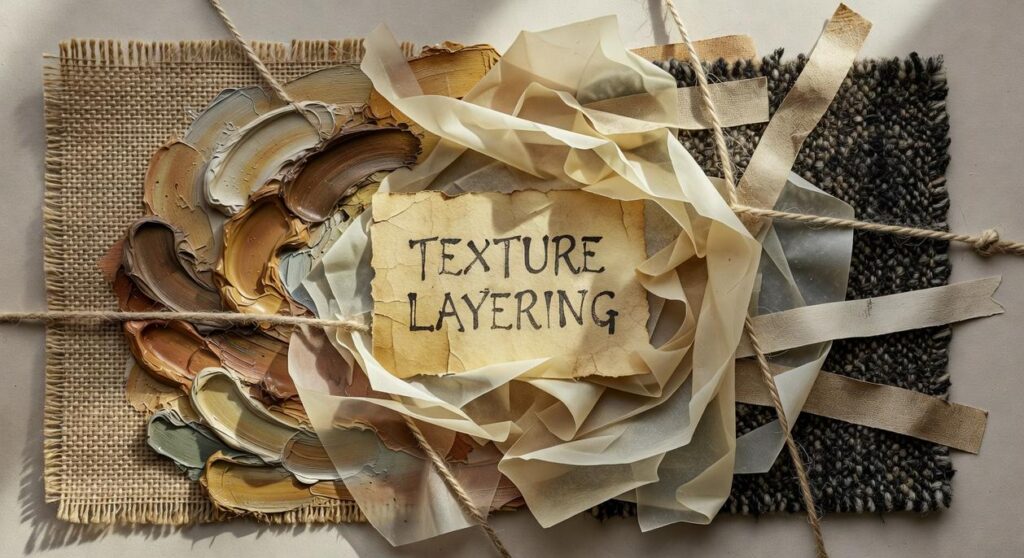
If your space feels flat, uninspired, or missing that cozy, collected charm, the solution may be simpler than you think. This guide is designed for anyone searching for practical, stylish ways to transform a room through layering textures in home decor—without overwhelming the space or overspending. You’ll learn how to combine fabrics, finishes, materials, and accents to create depth, warmth, and visual interest in a way that feels intentional and balanced.
We’ve analyzed proven interior design principles, consulted expert styling techniques, and drawn from real-world home transformations to ensure the advice here is both beautiful and functional. Whether you’re refreshing a small apartment, upgrading a single room, or redefining your entire aesthetic, this article will show you exactly how texture layering works, why it matters, and how to apply it confidently in your own home.
Why Texture Changes Everything
“Something feels off,” a client once told me, standing in her living room. The paint was perfect. The sofa was stunning. Yet the space felt cold.
That’s when I said, “It’s not what you see. It’s what you feel.”
Texture—how a surface looks or feels, from nubby linen to rich marble—adds depth and warmth. In fact, designers often Use layering textures in home decor to create contrast and balance. A chunky knit throw over leather, woven baskets beside lamps—suddenly, the room breathes.
Skeptics argue color alone is enough. But without texture, bold palettes fall flat.
Why Texture is Your Secret Design Weapon
Texture isn’t just decorative—it changes how a room feels. Designers use the term visual weight to describe how heavy or light something appears. A smooth, reflective coffee table feels lighter than a chunky, rough-hewn wood one. If your space feels crowded, swap one heavy texture for a sleeker surface (think glass or lacquer).
Textures also shape mood. Plush wool throws and velvet cushions create instant coziness—like a scene from a Nancy Meyers movie. Metal accents and polished stone, on the other hand, signal modern confidence. Want balance? Pair soft textiles with one cool material for contrast.
If your neutral room looks flat, the fix isn’t more color—it’s layering. Start with a base (rug), add mid-level softness (sofa, curtains), then top with tactile accents. Using layering textures in home decor keeps minimalist spaces sophisticated, not sterile.
Pro tip: Before buying décor, touch it. If it doesn’t invite contact, it won’t invite comfort.
The Foundational Elements: A Guide to Common Textures
Texture is the unsung hero of interior design. It’s the way a room feels before you even sit down. Designers often talk about visual weight—how heavy or light something appears—but texture adds EMOTIONAL WEIGHT. And while trends shift (remember the all-gray-everything era?), texture consistently shapes comfort.
Soft & Cozy Textures
Soft textures absorb light and invite touch. Think chunky knit blankets, faux fur pillows, high-pile wool rugs, velvet curtains, and soft linen bedding. These materials create insulation—literally and visually—making living rooms and bedrooms feel like sanctuaries. Studies show tactile softness can increase perceived comfort in environments (Journal of Environmental Psychology, 2010). I can’t promise every velvet curtain will transform your sleep, but the sensory impact is hard to deny.
If you’re exploring use layering textures in home decor, this is your starting point. Pair linen with wool, or velvet with cotton, for depth. For more inspiration, see small space big comfort creating a hygge inspired corner.
Hard & Sleek Textures
Polished marble countertops, smooth metal light fixtures, glass tabletops, leather armchairs, and lacquered wood create contrast and structure. These surfaces reflect light, making kitchens and bathrooms feel clean and modern (think James Bond’s apartment). Some argue hard finishes feel cold. That’s fair. Without balance, they can.
Rough & Natural Textures
Reclaimed wood beams, jute rugs, stone walls, rattan furniture, and unglazed pottery introduce organic irregularity. Biophilic design research suggests natural materials reduce stress (Terrapin Bright Green, 2014). Is every stone wall calming? Not necessarily—but many people report feeling more grounded around raw materials.
| Texture Type | Mood Created | Best Spaces |
|---|---|---|
| Soft & Cozy | Warm, relaxed |
Bedrooms, living rooms |
| Hard & Sleek | Clean, modern | Kitchens, bathrooms |
| Rough & Natural | Earthy, grounded | Any space needing depth |
The right mix? It depends. And honestly, that uncertainty is part of the art.
The Art of Layering: How to Combine Textures Like a Pro

Think of your room like a well-composed song. If every instrument sounded the same, the music would fall flat. Texture works the same way. When you’re layering textures in home decor, you’re essentially building harmony—combining notes that contrast yet complement each other.
The Rule of Three
First, start simple. The Rule of Three is like assembling a balanced meal: you need variety for it to feel complete. Aim for at least three distinct textures in a vignette. For example:
- A smooth leather sofa
- A chunky knit throw
- A sleek metal side table
Each element plays a different role, yet together they create depth. Without that third layer, the space can feel unfinished (like toast without butter).
That said, some minimalists argue that fewer textures create a cleaner look. And yes, restraint has its place. But even minimalist spaces benefit from subtle variation—otherwise, the room risks feeling sterile rather than serene.
Balancing Opposites
Next, embrace contrast. Pair soft with hard, delicate with rugged. A plush rug over polished concrete is like wearing sneakers with a tailored suit—unexpected, but striking. Similarly, a silk pillow resting on a rustic linen chair adds tension that feels intentional.
Varying Scale and Looking Up
Finally, think about scale and placement. Combine a large, chunky weave with a finely woven accent. Then, don’t forget your vertical surfaces. Grasscloth wallpaper, limewash paint, or wood paneling brings texture to walls, wrapping the room in dimension. When walls join the conversation, the entire space feels immersive rather than flat.
Textural Inspiration for Every Room
The Living Room: Start from the ground up. Layer a durable jute rug (a natural fiber known for its coarse, organic feel) beneath a smaller wool rug for softness and insulation. This pairing not only defines the seating area but also absorbs sound—ideal for open layouts. Combine a smooth leather sofa with velvet and linen pillows to balance sleekness with comfort (because nobody wants a space that feels like a showroom). Pro tip: choose pillows in varying weaves to keep the mix intentional, not chaotic. Use layering textures in home decor to make even neutral palettes feel dynamic.
The Bedroom: Think tactile comfort. A crisp cotton duvet promotes breathability, while a chunky knit throw adds visual weight at the foot of the bed. Silk or velvet pillowcases introduce subtle sheen and reduce friction on hair and skin.
The Kitchen & Dining Area: Contrast polished cabinetry with a rough-hewn wooden table, woven placemats, and upholstered chairs for warmth. Explore more ideas at Llbloghome.
Start Your Sensory Design Journey
You now have the framework to move beyond color and furniture and begin designing with touch in mind. The goal is simple: fix the room that looks polished but somehow feels off (we’ve all been there).
Remember the core principle: a thoughtful blend of hard, soft, and natural materials creates balance. Think wood against linen, metal beside velvet, stone paired with wool. Designers call this layering textures in home decor, and it’s what separates styled from truly designed spaces.
Take Action:
- Pick one corner.
- Add two contrasting textures.
- Step back and notice the shift immediately.
Create a Home That Feels Uniquely Yours
You came here looking for fresh inspiration to make your space feel warmer, more functional, and unmistakably you. Now you have practical ideas—from smart layouts to Bold on layering textures in home decor exactly as it is given—to transform ordinary rooms into spaces that feel intentional and inviting.
A home that feels flat, cluttered, or uninspired can quietly drain your energy every day. But with the right mix of cozy elements, personalized touches, and clever space-saving solutions, you can turn even the smallest corner into something beautiful and meaningful.
The next step is simple: start with one room. Add a new texture. Rearrange for better flow. Introduce a piece that tells your story. Small changes create powerful shifts.
If you’re ready to stop feeling disconnected from your space and finally create a home that reflects your personality and lifestyle, explore more design ideas and practical guides with us today. Join thousands of readers who trust our cozy, creative insights to transform their homes—start now and make your space feel like it truly belongs to you.

 Connielanie Gibson writes the kind of everyday space-saving hacks content that people actually send to each other. Not because it's flashy or controversial, but because it's the sort of thing where you read it and immediately think of three people who need to see it. Connielanie has a talent for identifying the questions that a lot of people have but haven't quite figured out how to articulate yet — and then answering them properly.
They covers a lot of ground: Everyday Space-Saving Hacks, Curious Insights, Interior Design Inspirations and Layouts, and plenty of adjacent territory that doesn't always get treated with the same seriousness. The consistency across all of it is a certain kind of respect for the reader. Connielanie doesn't assume people are stupid, and they doesn't assume they know everything either. They writes for someone who is genuinely trying to figure something out — because that's usually who's actually reading. That assumption shapes everything from how they structures an explanation to how much background they includes before getting to the point.
Beyond the practical stuff, there's something in Connielanie's writing that reflects a real investment in the subject — not performed enthusiasm, but the kind of sustained interest that produces insight over time. They has been paying attention to everyday space-saving hacks long enough that they notices things a more casual observer would miss. That depth shows up in the work in ways that are hard to fake.
Connielanie Gibson writes the kind of everyday space-saving hacks content that people actually send to each other. Not because it's flashy or controversial, but because it's the sort of thing where you read it and immediately think of three people who need to see it. Connielanie has a talent for identifying the questions that a lot of people have but haven't quite figured out how to articulate yet — and then answering them properly.
They covers a lot of ground: Everyday Space-Saving Hacks, Curious Insights, Interior Design Inspirations and Layouts, and plenty of adjacent territory that doesn't always get treated with the same seriousness. The consistency across all of it is a certain kind of respect for the reader. Connielanie doesn't assume people are stupid, and they doesn't assume they know everything either. They writes for someone who is genuinely trying to figure something out — because that's usually who's actually reading. That assumption shapes everything from how they structures an explanation to how much background they includes before getting to the point.
Beyond the practical stuff, there's something in Connielanie's writing that reflects a real investment in the subject — not performed enthusiasm, but the kind of sustained interest that produces insight over time. They has been paying attention to everyday space-saving hacks long enough that they notices things a more casual observer would miss. That depth shows up in the work in ways that are hard to fake.