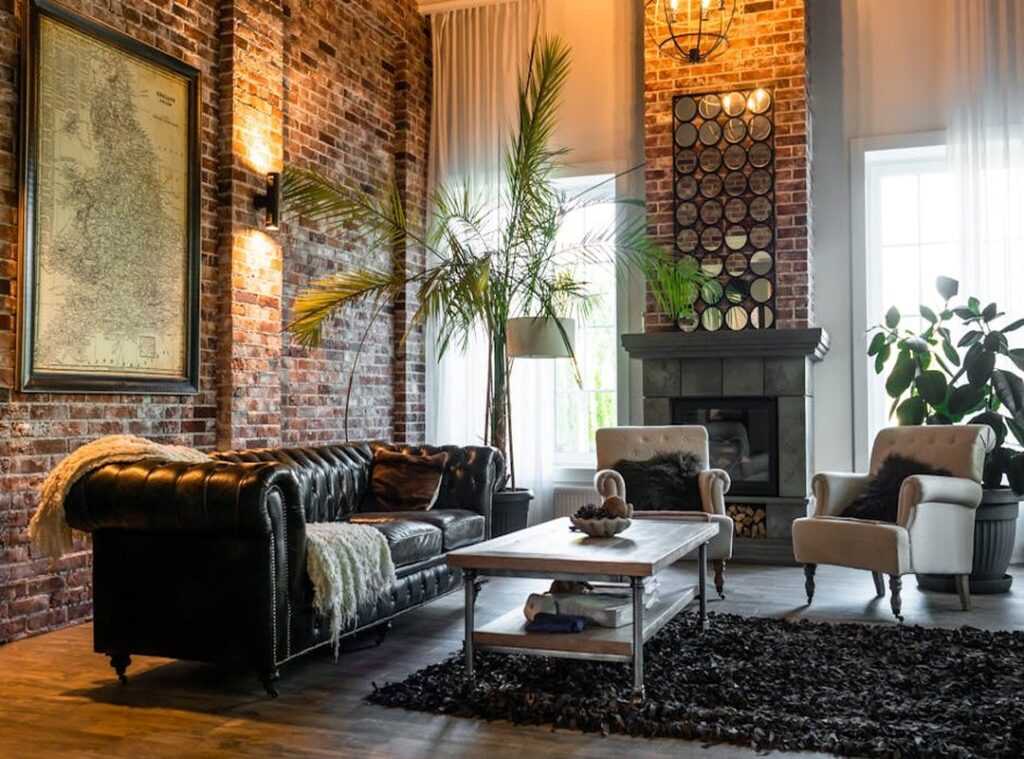

Designing a small apartment floor layout can feel overwhelming when every square foot matters and functionality can’t come at the expense of comfort. If you’re searching for smart ways to maximize space, improve flow, and create a home that feels open rather than cramped, this guide is built with your needs in mind.
In this article, you’ll discover practical layout strategies, space-saving techniques, and design principles that make compact living both stylish and efficient. From defining zones without walls to choosing multi-purpose furniture and optimizing natural light, we focus on solutions that work in real homes—not just in pictures.
Our recommendations are grounded in proven interior design principles, real-world small-space planning experience, and careful research into modern living trends. Whether you’re moving into a studio or rethinking your current setup, this guide will help you create a layout that feels intentional, balanced, and beautifully livable.
Designing a compact home starts with defining “flow” (how easily you move between zones) and “visual weight” (how heavy furniture feels in a room). Many argue small spaces can’t feel luxurious; however, thoughtful zoning proves otherwise. Begin with a small apartment floor layout that prioritizes multipurpose areas—think a dining table that doubles as a desk. Next, anchor storage vertically to free pathways. Unlike generic advice, map daily habits first, then draft walls and furniture around them. Consequently, every square foot earns its keep. Pro tip: measure clearance twice before buying anything bulky. This prevents costly layout regrets later and frustration.
The Three Pillars of Small Space Design: Flow, Light, and Verticality
Designing a small home isn’t about squeezing in less—it’s about making every inch work smarter. When you focus on flow, light, and verticality, you don’t just improve how a space looks; you transform how it feels (and how you feel living in it).
1. Establishing Traffic Flow
First and foremost, clear pathways are everything. Think of your home’s main walkway as its “main artery”—the primary path people naturally take when moving through the space. If that artery is blocked by side tables, bulky chairs, or storage bins, the entire room feels cramped.
Instead, map your small apartment floor layout and define one unobstructed route from entry to window. Keep furniture edges aligned and avoid placing large pieces mid-room. The benefit? Instant visual calm and easier movement—no awkward sidestepping required (your shins will thank you).
2. Maximizing Natural Light
Light is non-negotiable in small spaces because it creates perceived space—the illusion that a room is larger than its actual dimensions. According to architectural lighting studies, brighter environments are consistently rated as more spacious (Boyce, Human Factors in Lighting).
Position sofas and shelves away from windows, and swap heavy drapes for sheer curtains. As a result, sunlight travels deeper into the room, lifting the mood and the ceiling height—at least visually.
3. Thinking Vertically
Finally, draw the eye upward. Tall, narrow bookshelves, floor-to-ceiling curtains, and vertical paneling emphasize height. This technique, known as vertical emphasis, tricks the eye into perceiving taller walls.
The payoff? A room that feels airy, intentional, and far more expansive than its square footage suggests. (It’s the design equivalent of standing up straight—confidence changes everything.)
Strategic Zoning: Creating “Rooms” Without Walls”
Open-plan living sounds dreamy—until your sofa starts sharing space with your laptop and last night’s dinner dishes. The solution isn’t building walls. It’s creating zones (distinct functional areas within one open space) that feel intentional.
Defining Zones with Rugs
Rug vs. No Rug is the simplest comparison.
- With a rug: The living area feels anchored. A plush 8×10 under the sofa visually “contains” the seating area.
- Without a rug: Furniture can look like it’s floating in a furniture showroom (not in a good way).
In a small apartment floor layout, placing one rug beneath the sofa and another under a dining table subtly signals, this is for lounging; that is for eating. Designers often use this technique to guide movement and perception (Architectural Digest frequently highlights rug zoning in compact homes).
Furniture as a Divider
Open shelving vs. solid partitions makes a big difference.
- Open-backed shelving: Divides space while allowing light and sightlines to pass through.
- Solid bookcases or screens: Offer privacy but can make a room feel boxed in.
A strategically placed sofa with its back toward the dining nook can act like an invisible wall. (Think of it as setting boundaries without being dramatic about it.) Pro tip: Leave at least 30–36 inches for walkways to keep traffic flow comfortable.
The Power of Lighting Zones
Lighting defines purpose.
- Pendant light over dining table: Signals gathering and meals.
- Floor lamp by an armchair: Instantly creates a reading retreat.
Task lighting (focused light for specific activities) contrasts with ambient lighting (overall room glow). Layer both, and suddenly one room feels like three—no drywall required.
The Furniture Formula: Scale, Versatility, and Transparency
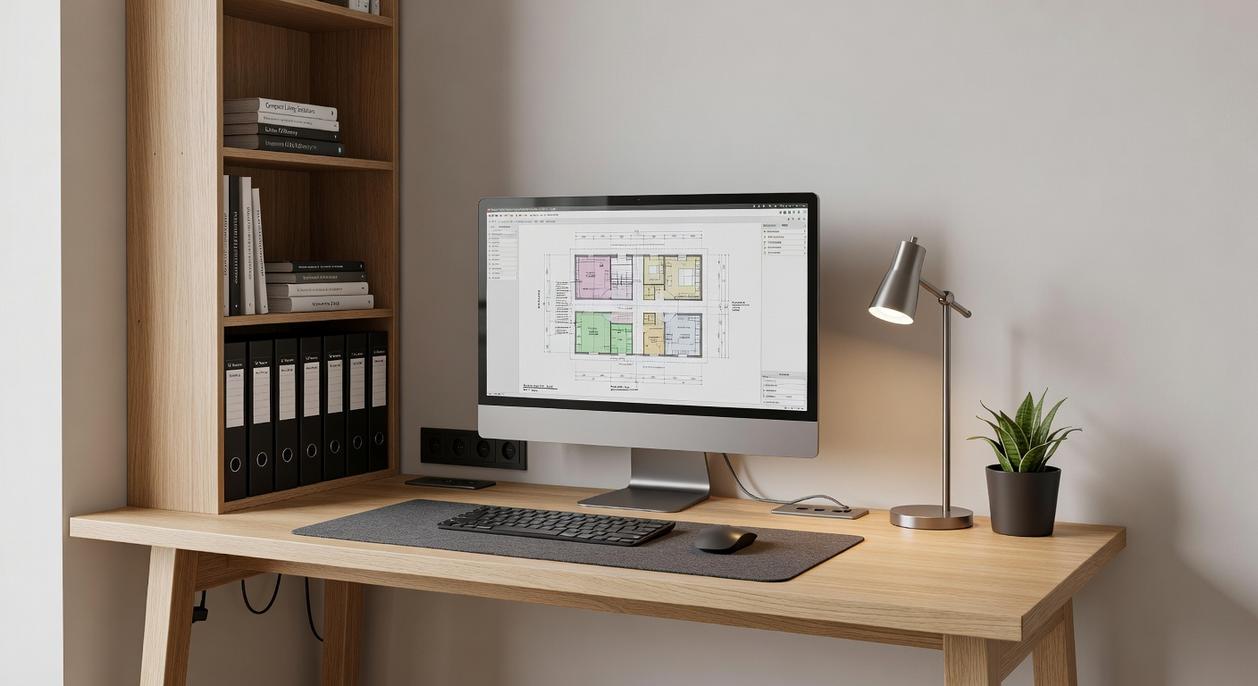
First, let’s talk scale. “Apartment-sized” furniture simply means pieces designed with smaller proportions—narrower depths, slimmer arms, and shorter lengths—so they don’t overwhelm a room. In a small apartment floor layout, a 90-inch sofa can visually swallow the space (even if it technically fits). By contrast, an 72-inch sofa with slim arms preserves precious walking paths.
Some argue that bigger furniture feels more luxurious. And yes, oversized sectionals look stunning in showrooms. However, in compact homes, bulk often equals visual stress. Measuring your space—walls, doorways, and clearance zones—before buying isn’t optional; it’s foundational. (Pro tip: Use painter’s tape to outline dimensions on the floor to see the real footprint.)
Next, embrace the multi-functional mandate. Dual-purpose furniture isn’t just trendy—it’s strategic. The best-performing small spaces often include:
- Storage ottomans that hide blankets or books
- Expandable dining tables for guests
- Lift-top coffee tables that double as desks
- Daybeds that function as sofas by day, beds by night
While competitors highlight storage, few emphasize flexibility over time. An expandable table adapts as your life changes—think holiday dinners or remote work pivots.
Finally, create visual lightness. “Leggy” furniture—sofas and consoles raised on visible legs—allows light to flow underneath, making rooms feel larger. Transparent materials like acrylic or glass reduce visual weight (clear pieces practically disappear, like set design magic in a minimalist film).
For deeper spatial planning strategies, explore this comprehensive room by room layout guide for a more functional home. Thoughtful scale, smart versatility, and visual clarity—that’s the real formula.
Common Floor Plan Mistakes and How to Avoid Them
The “Push-It-All-Against-the-Wall” Error
At first glance, shoving every sofa and chair against the wall feels logical. More room in the middle, right? Actually, pulling furniture even a few inches inward creates breathing room and better flow. Designers call this visual depth—the illusion of spaciousness created by layered placement. In a small apartment floor layout, that subtle shift can make the room feel intentionally styled instead of squeezed tight. The benefit? A cozier, more balanced space that feels bigger without adding a single square foot.
Ignoring Negative Space
Negative space simply means empty areas that let your room “rest.” Without it, clutter takes over (and stress tends to follow). By leaving corners or surfaces open, you highlight what matters and improve movement through the room.
Forgetting About Scale
Too many tiny pieces make a room feel chaotic, while one oversized item can dominate awkwardly. Instead, choose appropriately scaled furniture and one bold art piece for cohesion. The payoff is harmony—your space feels polished, not pieced together.
Designing your compact home starts with a clear plan. When you map a small apartment floor layout, you gain control over flow, sightlines, and storage opportunities. That means fewer awkward corners and more usable square footage.
Focus on three essentials:
- Zoning defines living, working, and resting areas without walls, boosting privacy and productivity.
- Flow ensures pathways stay at least 30 inches wide, reducing daily friction.
- Smart furniture like lift-top coffee tables adds hidden storage, doubling function.
Some argue small spaces always feel cramped. Not if you design with intention. Grab a pencil or app and sketch. cozy space awaits today.
By incorporating clever storage solutions and multifunctional furniture, you can maximize your space effectively—especially when combined with creative home decor ideas that further enhance the aesthetic of your small apartment, as discussed in our article on Home Decor Ideas Ththomedec.
Make the Most of Your Small Apartment Floor Layout
You came here looking for smarter ways to design your small apartment floor layout, and now you have practical strategies to turn tight square footage into a space that feels open, functional, and uniquely yours. From zoning techniques to space-saving furniture and intentional decor choices, you’re equipped to transform frustration into flow.
Living in a compact space can feel limiting—clutter builds up fast, storage runs out quickly, and every design mistake feels magnified. But with the right layout approach, even the smallest apartment can feel balanced, breathable, and beautifully organized.
Now it’s time to take action. Start by reassessing your current setup, measure your key areas, and apply one or two layout improvements this week. If you’re ready for more clever, proven ideas that make small spaces feel bigger and cozier, explore our top-rated home inspiration guides and practical design tips today. Your apartment doesn’t need more square footage—it needs smarter design. Let’s create it.

 Connielanie Gibson writes the kind of everyday space-saving hacks content that people actually send to each other. Not because it's flashy or controversial, but because it's the sort of thing where you read it and immediately think of three people who need to see it. Connielanie has a talent for identifying the questions that a lot of people have but haven't quite figured out how to articulate yet — and then answering them properly.
They covers a lot of ground: Everyday Space-Saving Hacks, Curious Insights, Interior Design Inspirations and Layouts, and plenty of adjacent territory that doesn't always get treated with the same seriousness. The consistency across all of it is a certain kind of respect for the reader. Connielanie doesn't assume people are stupid, and they doesn't assume they know everything either. They writes for someone who is genuinely trying to figure something out — because that's usually who's actually reading. That assumption shapes everything from how they structures an explanation to how much background they includes before getting to the point.
Beyond the practical stuff, there's something in Connielanie's writing that reflects a real investment in the subject — not performed enthusiasm, but the kind of sustained interest that produces insight over time. They has been paying attention to everyday space-saving hacks long enough that they notices things a more casual observer would miss. That depth shows up in the work in ways that are hard to fake.
Connielanie Gibson writes the kind of everyday space-saving hacks content that people actually send to each other. Not because it's flashy or controversial, but because it's the sort of thing where you read it and immediately think of three people who need to see it. Connielanie has a talent for identifying the questions that a lot of people have but haven't quite figured out how to articulate yet — and then answering them properly.
They covers a lot of ground: Everyday Space-Saving Hacks, Curious Insights, Interior Design Inspirations and Layouts, and plenty of adjacent territory that doesn't always get treated with the same seriousness. The consistency across all of it is a certain kind of respect for the reader. Connielanie doesn't assume people are stupid, and they doesn't assume they know everything either. They writes for someone who is genuinely trying to figure something out — because that's usually who's actually reading. That assumption shapes everything from how they structures an explanation to how much background they includes before getting to the point.
Beyond the practical stuff, there's something in Connielanie's writing that reflects a real investment in the subject — not performed enthusiasm, but the kind of sustained interest that produces insight over time. They has been paying attention to everyday space-saving hacks long enough that they notices things a more casual observer would miss. That depth shows up in the work in ways that are hard to fake.