Does your living room look beautifully styled but somehow feel cold or impersonal? Many spaces check all the design boxes yet still lack the warmth that makes you want to truly relax. This guide is here to help you move beyond surface décor and create an atmosphere that feels inviting the moment you walk in. At the heart of great cozy living room design is a series of thoughtful, layered choices that engage the senses—soft textures, warm lighting, meaningful details, and balanced layouts. You’ll discover how to transform your space into a personal haven that feels just as good as it looks.
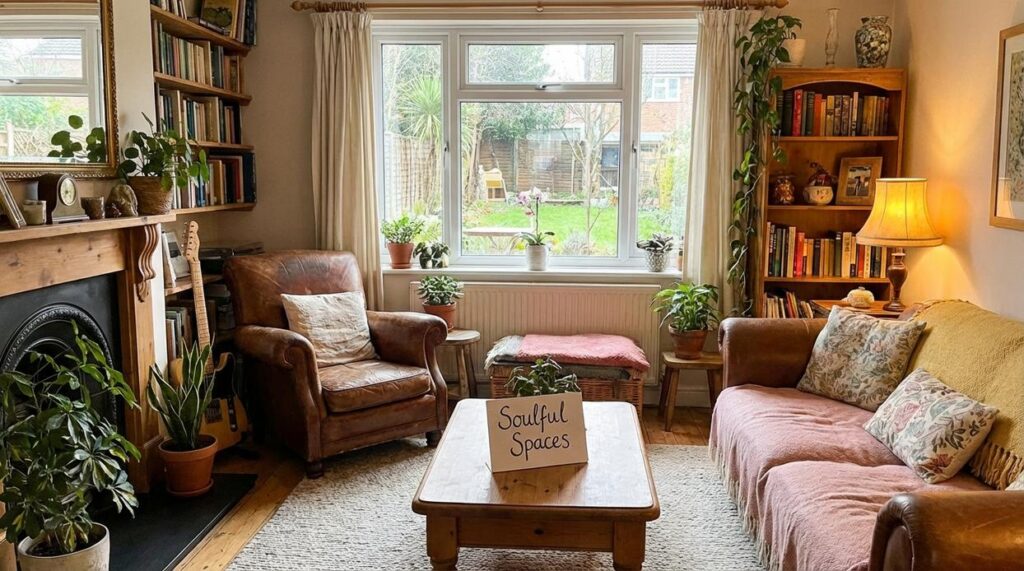
The foundation of comfort begins with layout and flow. Many people think comfort means plush sofas, but it actually starts with arrangement. The conversational core is the central seating area designed to encourage eye contact and easy dialogue. Instead of lining furniture against walls, pull chairs and sofas inward to form small groupings. This simple shift turns a room from showroom to sanctuary (yes, it feels awkward at first).
Next comes zone definition. An area rug acts as a visual anchor, meaning it clearly marks where the seating space begins and ends. Choose a rug large enough that at least the front legs of every seat rest on it. This creates cohesion and instant warmth, a key principle in cozy living room design.
Finally, protect your pathways. Traffic flow refers to the natural walking routes people take through a room. Keep these routes open and intuitive by leaving clear gaps around furniture.
Follow this quick checklist:
- Keep 14–18 inches between sofa and coffee table.
- Allow 30–36 inches for main walkways.
- Avoid blocking doorways or windows.
Balanced spacing makes relaxation effortless. These measurements balance comfort, accessibility, and proportion in everyday living without crowding the space unnecessarily at home.
Beyond the Big Light: The Art of Layered Lighting
Have you ever walked into a room and felt instantly at ease—or strangely on edge—and couldn’t explain why? More often than not, it’s the lighting. Relying on one harsh overhead fixture (a.k.a. “the big light”) floods a space with flat, unforgiving brightness. So what’s the alternative?
First, understand the three layers. Ambient lighting is your overall illumination—the base layer that lets you move around safely. Task lighting focuses on specific activities like reading or cooking. Accent lighting highlights art, architectural details, or that bookshelf you’re oddly proud of. When combined, these layers create depth and warmth instead of a one-note glare.
Now ask yourself: are you using multiple sources—floor lamps, table lamps, sconces—or just flipping one switch? Layering smaller lights instantly elevates cozy living room design and makes the space feel intentional rather than clinical.
Equally important is bulb temperature. Choose warm white bulbs between 2700K and 3000K (Kelvin measures color temperature). Cooler bulbs can feel like a grocery store aisle—fine for produce, less ideal for movie night.
And if you make just one upgrade? Install dimmer switches. They give you full control, shifting a room from bright and functional to soft and intimate in seconds. Why settle for one mood when you can have them all?
Engage the Senses: Weaving in Texture and Softness
When designers talk about tactile diversity, they simply mean mixing materials that feel different to the touch. In other words, instead of relying on one dominant fabric or finish, you layer soft, rough, smooth, and plush elements to create depth. Think of it like building a playlist—variety keeps things interesting.
For example, a sleek leather sofa (smooth and slightly cool) instantly feels warmer with velvet pillows layered on top. Likewise, a chunky knit throw draped over a crisp linen armchair balances structure with softness. Sheer curtains paired with a high-pile rug create contrast too: light and airy above, thick and cushioned below.
Now, let’s clarify something. Texture isn’t just about fabric. Woven baskets add visual weight and practical storage. Ceramic vases—especially handmade ones—introduce subtle bumps and grooves. Wooden decor, whether raw oak or polished walnut, grounds a space with natural grain.
When dressing the windows, soft drapes do more than look pretty. They absorb sound waves (that’s basic acoustics), reducing echo and making the room feel calmer. This is especially helpful in open layouts.
Altogether, layering texture is what transforms a basic layout into cozy living room design that feels welcoming rather than flat.
The Soul of the Room: Infusing Personality and Life
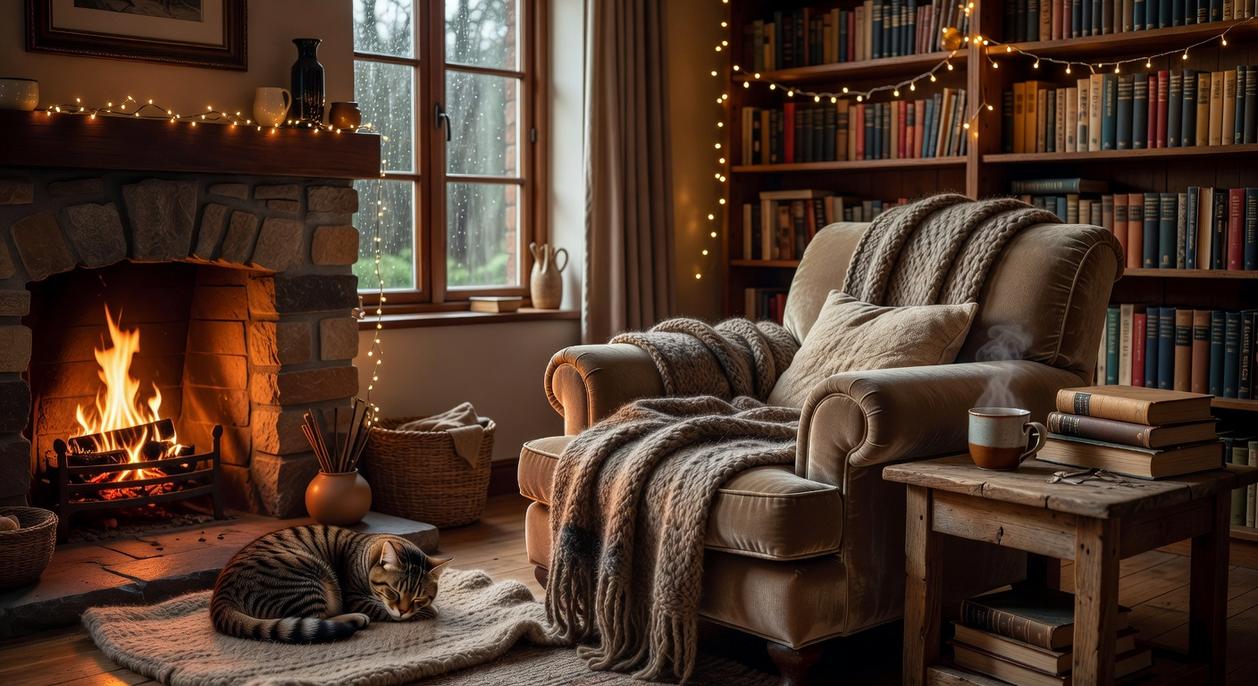
A beautiful space without personality can feel like a showroom. The goal is to make it feel lived in and loved. Start by telling your story through the objects you display. Instead of scattering random decor, curate meaningful pieces:
- Favorite books stacked or shelved by theme
- Travel souvenirs that spark conversation
- Framed family photos in cohesive tones
Group items in odd numbers and vary heights for balance (think of it as styling, not storage). This approach keeps your cozy living room design from feeling cluttered while still feeling personal.
Plants are the quiet heroes of any room. Beyond adding color and texture, studies show indoor plants can reduce stress and improve mood (NASA Clean Air Study). Even one low-maintenance plant like a pothos or snake plant can soften hard edges and breathe life into neutral palettes.
When choosing art, skip generic prints and pick pieces that resonate. Art sets emotional tone—bold abstracts energize, landscapes calm. If you love it, it works.
Finally, engage scent. A subtle candle, essential oil diffuser, or fresh eucalyptus creates a signature atmosphere. Scent is closely tied to memory (Harvard Gazette), making your home instantly comforting and unforgettable.
Your Living Room, Reimagined as a Personal Haven
A truly inviting space comes down to four essentials: a thoughtful layout, layered lighting, rich textures, and personal touches that reflect who you are. If your living room has felt uninspiring or disconnected, it’s likely missing intentional choices that prioritize comfort over mere appearance. A haven doesn’t happen by accident—it’s created through cozy living room design that focuses on feeling first.
The good news? You don’t need a full makeover to begin. Start small. Add a warm lamp. Drape a soft throw over your sofa. Notice how the atmosphere shifts instantly. Your comfort matters—take one simple step today and feel the difference tonight.