If you’ve ever walked into a room that felt warm, inviting, and effortlessly styled, chances are layering textures in interior design played a big role in creating that effect. Many homeowners struggle with spaces that look flat or unfinished, even after adding beautiful furniture and décor. The missing piece is often texture — the subtle mix of materials that adds depth, contrast, and personality.
This article is designed to help you understand exactly how to combine fabrics, finishes, and natural elements to create a cozy, visually dynamic home. We’ll break down practical techniques, space-by-space ideas, and easy upgrades you can implement right away — whether you’re refreshing a small apartment or redesigning an entire house.
Our insights are grounded in proven interior styling principles and real-world design practices that prioritize comfort, balance, and functionality. By the end, you’ll know how to transform any room from simple to stunning using texture with confidence and intention.
Beyond Color: Why Texture is Your Secret Design Weapon
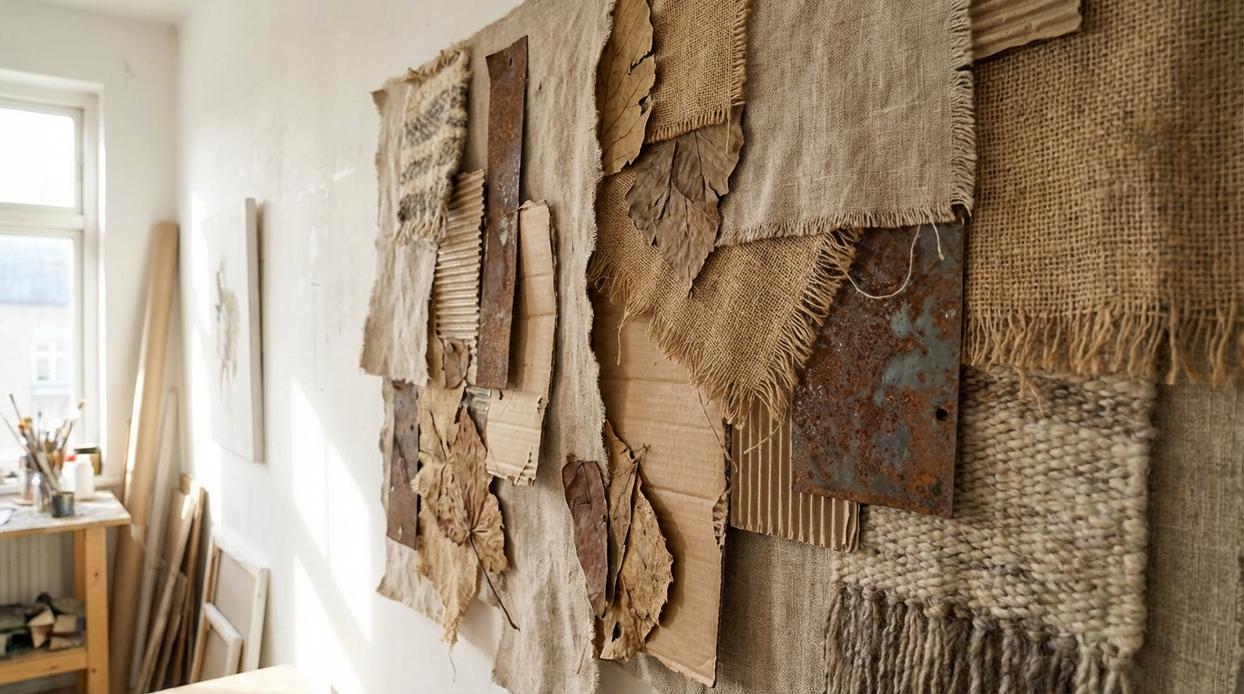
Paint can set the mood, but texture writes the story. A room without texture is like a song played on one note—technically correct, emotionally flat. The magic lies in layering textures in interior design, blending surfaces the way a chef balances crunch and creaminess.
Think of your space as a wardrobe:
- Soft throws and rugs add warmth,
- Woven baskets ground the room,
- Sleek metals spark contrast.
Mix matte with shine, rough with smooth, so light dances across surfaces. Walls feel embraced, not bare. Texture turns houses into homes.
The Foundation: Understanding a Room’s Textural Canvas
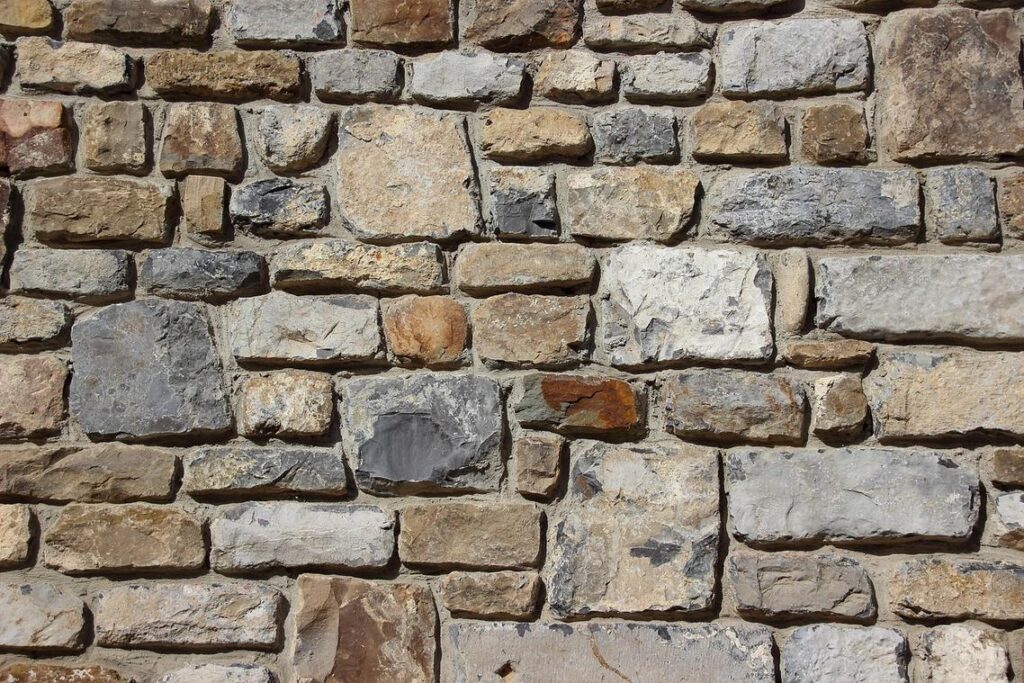
Every room has a given—the fixed elements you can’t easily swap out, like oak hardwood floors, Chicago-style exposed brick, or a plaster wall with a subtle Venetian finish. Designers call these the “architectural envelope.” Before buying a single throw pillow, assess these surfaces. Are they rough or smooth? Reflective or absorbent? Cool like polished concrete in a converted Brooklyn loft, or warm like wide-plank pine in a Cape Cod cottage?
Walls and floors act as your base layer (think of them as the denim and white tee of your space). Matte paint absorbs light and softens imperfections, while eggshell has a slight sheen that bounces light around—useful in north-facing rooms with limited sun. Wallpaper such as grasscloth introduces organic variation, though it’s less forgiving in humid climates. Plush carpet dampens sound (a pro tip for condo living), whereas sealed concrete delivers that crisp, industrial edge.
Some argue you should fight what you don’t like—cover the brick, stain the floors darker. But working with, not against, these textures often feels more cohesive. Soften concrete with a high-pile rug. Pair rugged brick with streamlined furniture for balance. That’s the essence of layering textures in interior design: contrast that feels intentional, not accidental.
Layering Soft Textures for Ultimate Coziness
If you ask me, coziness isn’t about buying more—it’s about choosing better textures and combining them with intention. The secret sauce? layering textures in interior design. Done right, a room doesn’t just look warm; it feels like a deep exhale.
The Fabric Families
Think of fabrics as personalities.
- Velvet whispers luxury. Its subtle sheen reflects light, instantly elevating a basic sofa (very “old Hollywood glam”).
- Linen feels airy and relaxed. Because it’s made from flax fibers, it’s breathable and slightly textured—perfect for that effortless, undone look.
- Wool and bouclé bring warmth. Wool insulates naturally (thanks to its crimped fibers trapping air), while bouclé’s looped yarn adds visual depth.
- Cotton is the comfort king. Soft, washable, dependable—like your favorite white T-shirt.
Some people argue sticking to one fabric keeps a room cohesive. I disagree. A single texture can fall flat. Contrast creates interest.
The Art of the Throw Pillow
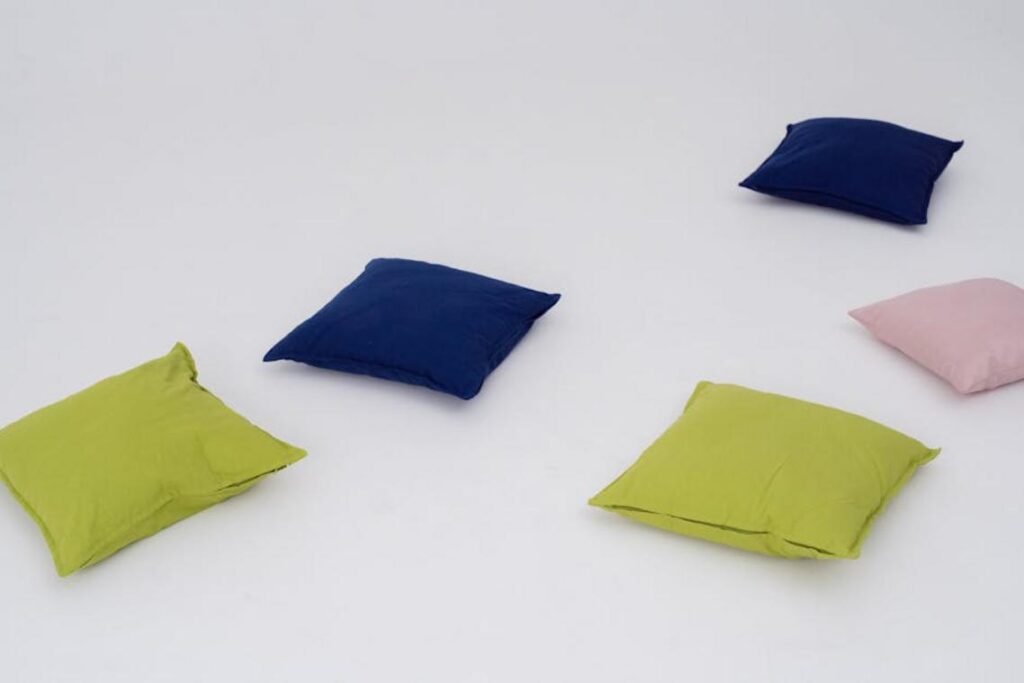
Here’s my go-to formula for a sofa or bed:
- One large linen pillow (24″) as a base
- Two medium velvet pillows (20″) for richness
- One small knit lumbar for tactile contrast
Mix sizes. Mix touch. Keep the color palette tight so it doesn’t feel chaotic. Pro tip: Odd numbers often look more natural to the eye.
Beyond Pillows
Texture shouldn’t stop at cushions. Add a chunky knit blanket for softness, layer a jute rug with a plush wool topper for depth, and hang flowing drapery to absorb sound and reduce echo (yes, fabric improves acoustics). In my opinion, that’s when a room stops looking staged and starts feeling lived-in.
Introducing Hard Textures for Contrast and Definition
Soft sofas and plush rugs feel inviting, but without contrast, a room can fall flat. That’s where hard textures come in. By definition, hard textures are materials with firm, solid surfaces—think wood, metal, glass, or stone—that visually and physically balance softer textiles.
The Role of Wood
First, consider wood. Different grains (the natural patterns formed as a tree grows) instantly add warmth and character. A smooth oak coffee table feels refined, while reclaimed wood—with visible knots and imperfections—brings history and depth (like the cozy cabin in a Nancy Meyers movie). For a practical update, try this: swap one overly polished piece for a live-edge shelf. The organic, unfinished edge adds movement without overwhelming the space. Pro tip: mix no more than two wood tones in one room to avoid visual clutter.
Metal and Glass for a Modern Edge
Next, layer in metal or glass. Brushed brass hardware can warm up neutral cabinetry, while matte black fixtures create bold contrast. Meanwhile, a glass coffee table reflects natural light, making small rooms feel larger. If you’re unsure where to start, replace drawer pulls or add a metal-framed mirror—small change, noticeable impact. Pair these elements with thoughtful lighting techniques that instantly create a cozy atmosphere to keep the space from feeling cold.
Stone and Ceramic Accents
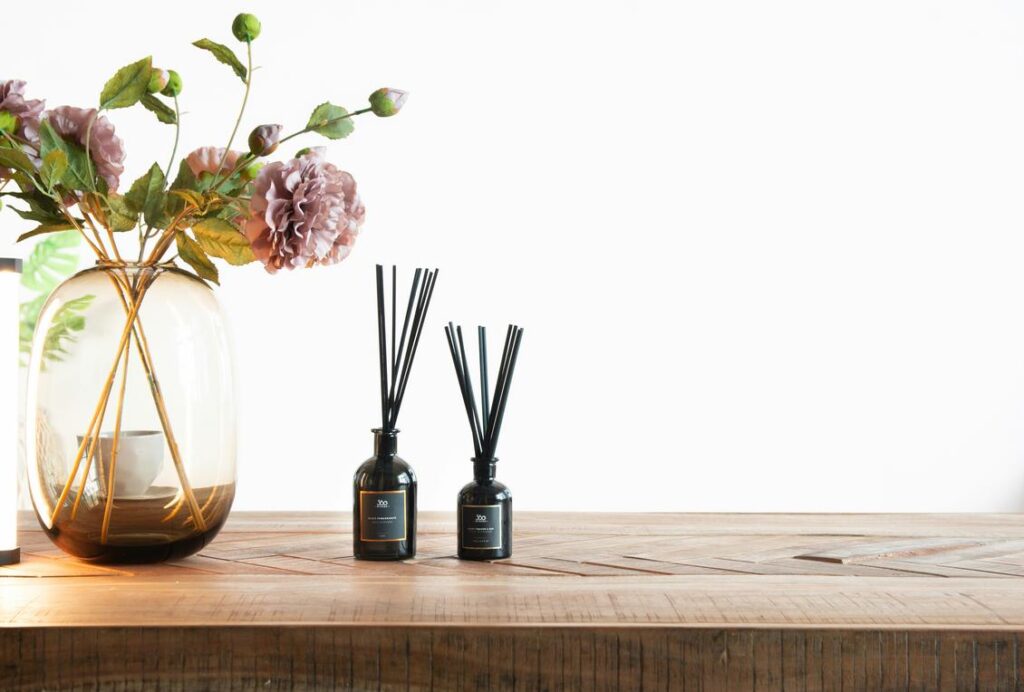
Finally, add stone or ceramic in small doses. Marble trays, travertine side tables, or handmade ceramic vases introduce a cool, grounding effect. Because these materials are dense and smooth, they anchor softer layers beautifully. Use layering textures in interior design by balancing one stone accent with plush cushions nearby. The contrast feels intentional—not accidental (and definitely not showroom-stiff).
The Art of the Mix: A Simple Formula for Balancing Textures
I once paired a chunky wool rug with a distressed leather sofa and called it done. Big mistake. The room felt flat, not cozy. That’s when I learned the High-Low Principle—mixing rough and smooth, like reclaimed wood with silk, creates contrast (think farmhouse meets red carpet).
Next, the Rule of Three saved me. Every vignette needs three distinct textures to feel finished. Finally, consider Visual Weight—how heavy or light a surface appears—and balance it to guide the eye. In short, layering textures in interior design turns chaos into cohesion. Balance makes rooms feel intentional, not accidentally assembled and thoughtfully curated.
By now, you have the tools to move beyond a flat, one-dimensional room and build a space that feels layered and alive. Some argue that minimal, all-hard interiors look cleaner and more modern. Fair point. However, when every surface is sleek, a room can feel like a showroom, not a sanctuary. By consciously mixing wood, metal, linen, and ceramics, you solve that cold, unfinished feeling. Think layering textures in interior design as comfort engineering. Start small—add a nubby throw pillow or a matte vase—and notice the shift. After all, the best spaces, like favorite coffee shop, invite you to stay.
Create a Home That Finally Feels Like You
You came here looking for ways to make your space feel warmer, more intentional, and uniquely yours. Now you understand how small design shifts—especially layering textures in interior design—can completely transform the mood of a room without a full renovation.
If your home has been feeling flat, cluttered, or uninspired, the real issue isn’t square footage—it’s strategy. The right mix of fabrics, materials, lighting, and personal details creates depth, comfort, and personality in ways paint alone never could.
Don’t let your space stay “almost right.” Start by choosing one room and experiment with texture contrasts, soft lighting, and space-saving styling techniques today.
If you’re ready to turn a bland room into a cozy, cohesive retreat, explore more of our proven home styling guides and practical design ideas. Thousands of readers trust Llbloghome for simple, effective solutions that make homes feel beautifully lived in.
Your home should feel like a sanctuary—not a work in progress. Start creating that feeling now.