If you’re searching for ways to make your home feel warmer, calmer, and more inviting, you’re in the right place. Lighting has the power to completely transform a space—yet it’s often the most overlooked element in home design. This article explores soft home lighting techniques that instantly elevate your interiors, whether you live in a compact apartment or a spacious house.
We’ll break down practical, easy-to-apply ideas that blend comfort with style, from layering ambient light to choosing the right bulbs and fixtures for different rooms. Every recommendation is grounded in proven interior design principles and real-world functionality, ensuring your space not only looks beautiful but feels balanced and livable.
By the end, you’ll understand how to use lighting strategically to create cozy corners, highlight design features, and enhance your everyday living experience—without expensive renovations or complicated installations.
Beyond the Bulb
Many homes feel sterile, like a hospital hallway or the interrogation scene in a crime drama. The core problem isn’t taste—it’s one-dimensional, purely functional lighting. This guide offers a clear, actionable blueprint for layering light so your space feels less “IKEA showroom” and more Nancy Meyers movie kitchen.
With years of hands-on interior design experience, I’ve seen how soft home lighting techniques transform rooms into sanctuaries.
Think in layers:
- Ambient glow for overall warmth
- Task lighting for function
- Accent lamps for personality
Craft ambiance, not just brightness, and your home finally exhales like a cozy retreat today.
The Three Layers of Light: Your Blueprint for Ambiance
Great rooms rarely rely on a single bulb. Instead, they’re built in layers—each with a job, a mood, and a measurable impact on how you live.
Ambient Lighting (The Foundation)
First, ambient lighting delivers overall illumination through ceiling fixtures, recessed cans, or flush mounts. It’s the base layer that prevents shadowy corners and stubbed toes (we’ve all been there). Beyond visibility, it sets brightness levels that influence circadian rhythm and perceived room size. Many guides stop there; however, the real advantage lies in dimmable controls and color temperature tuning, which adapt one room from morning energy to evening calm.
Task Lighting (The Workhorse)
Next, task lighting focuses on precision. Think reading lamps, vanity strips, or under-cabinet kitchen lights. Proper placement reduces eye strain and boosts productivity—studies from the Illuminating Engineering Society note improved visual comfort with directed light. Position fixtures 12–18 inches from work surfaces for optimal clarity.
Accent Lighting (The “Jewelry”)
Finally, accent lighting adds depth by highlighting art, alcoves, or plants. Uplights and picture lights create contrast, drawing the eye like spotlights in a Broadway scene. Used with soft home lighting techniques, this layer injects personality while shaping atmosphere.
Decoding Color Temperature & Dimmers: The Secret to Coziness

Think of color temperature like the soundtrack to your room. It’s measured in Kelvins (K)—a scale that describes whether light feels warm (yellow/orange) or cool (blue/white). Warm white light sits around 2700K–3000K, similar to candlelight or a fireplace. In contrast, 4000K and above leans into cool or daylight tones—the kind you’d expect in an office or hospital corridor (productive, yes; cozy, not so much).
The Golden Rule for Warmth
If you want your home to exhale at the end of the day, stay in the 2700K–3000K range for living spaces. This mimics natural evening light, signaling your brain to relax. Studies show warmer light in the evening supports melatonin production, helping you wind down (Harvard Health Publishing). In other words, warm light is your room’s version of a cashmere blanket.
Some argue cooler light feels “cleaner” or brighter. Fair point—cool light can sharpen focus. But in a living room? It’s like playing techno at a dinner party. The vibe just clashes.
The Non-Negotiable Tool: Dimmers
If color temperature is the soundtrack, dimmers are the volume knob. They’re the most cost-effective way to shift a room from bright and functional to low and intimate. With dimmers, you can:
- Adapt lighting for work or relaxation
- Prevent harsh glare
- Layer ambiance using soft home lighting techniques
Pro tip: Install dimmers in bedrooms and living rooms first—you’ll notice the difference immediately.
Lumens vs. Watts
Finally, remember: lumens measure brightness; watts measure energy use. Too many lumens create an “over-lit” stage effect. Choose balanced brightness to complement elements like choosing furniture that maximizes comfort without sacrificing style.
Lighting, after all, should glow—not glare.
Room-by-Room Recipes for a Warm Glow
The Living Room Hub
Think of the living room as mission control for comfort. Start with a central ceiling fixture on a dimmer switch (a device that lets you adjust brightness) to control overall intensity. Then layer in floor lamps for vertical interest and table lamps beside sofas to create dedicated reading nooks. Add a small accent light aimed at a bookshelf or leafy plant to highlight texture and depth. This layered approach—often called ambient, task, and accent lighting—prevents the flat, overly bright look many people dislike. Some argue recessed lights alone are enough, but without varied sources at different heights, the room can feel like a waiting area (and no one wants that vibe during movie night).
The Functional Kitchen
Kitchens need clarity. Install bright, clear under-cabinet task lights (around 300–400 lumens per linear foot) to reduce shadows during food prep. For islands or dining tables, choose warm, dimmable pendants (2700K–3000K color temperature) to shift the mood from chopping vegetables to hosting friends. Critics say warm light dulls visibility, yet pairing targeted task lighting with softer overheads gives you precision and atmosphere.
The Serene Bedroom
Prioritize soft, warm light around 2700K for relaxation. Bedside table lamps with fabric shades diffuse glare and make nighttime reading easier on the eyes. If you have a central fixture, keep it on a dimmer with a low-wattage bulb. Use soft home lighting techniques to cue your brain for rest (pro tip: smart bulbs can automate this shift).
The Spa-Like Bathroom
Mount vertical sconces on either side of the mirror for even, shadow-free grooming light. Place the overhead fixture on a separate dimmer so a bright morning routine can transform into a calm, soak-ready retreat by evening.
It’s Not Just the Light, It’s the Fixture
Light is like music; the bulb is the singer, but the fixture is the acoustics. Without diffusion, harsh glare hits like a spotlight in an interrogation room. With fabric, paper, or frosted glass, the glow turns gentle.
-
The Power of Diffusion: Shade materials are your lampshade’s filter, the Instagram preset of a room.
-
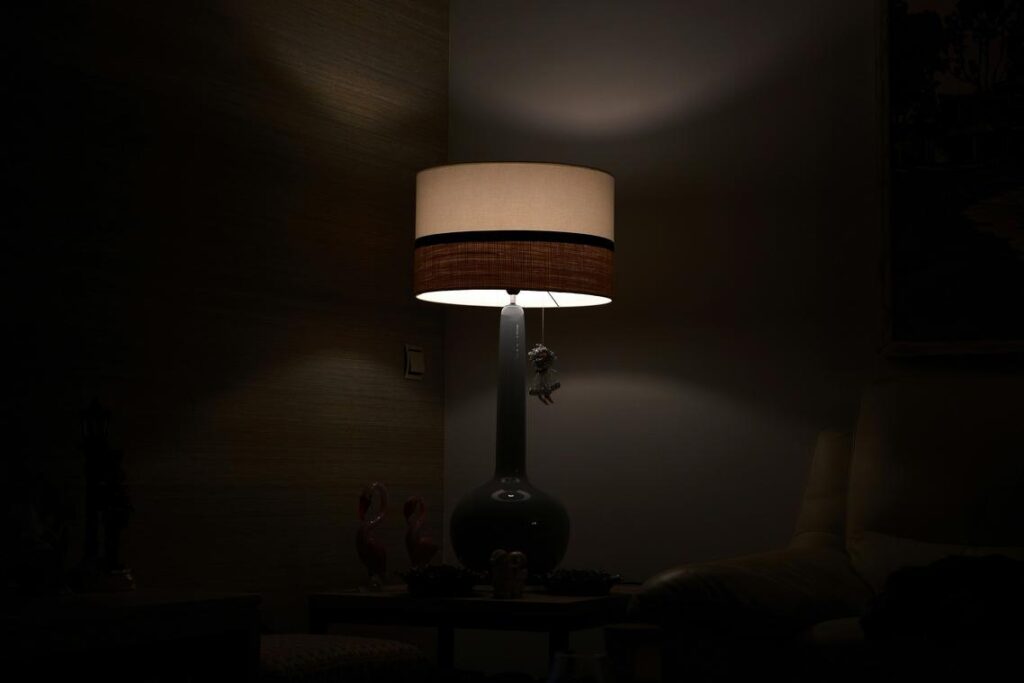
Strategic Placement Hacks: Tuck a floor lamp into a corner; light ricochets off two walls and stretches the space.
-
Amplify the Glow: Set a lamp before a mirror to double warmth using soft home lighting techniques.
Your Home, Bathed in a Welcoming Light
Creating a warm and inviting home isn’t about buying expensive lamps; it’s about strategic layering of light, choosing warm color temperatures, and embracing dimmers.
You no longer have to settle for lighting that feels cold, flat, or purely functional.
As one homeowner told me, “I swapped one bulb, and everything felt softer.”
Meanwhile, a friend laughed, “It’s just light, right?” Then she added a table lamp and admitted, “Okay, I get it.”
Start small.
Try soft home lighting techniques by swapping one cool bulb for a warm one or brightening a dark corner.
Create a Home That Truly Feels Like You
You came here looking for ways to transform your space into something warmer, cozier, and more reflective of your personality. Now you have practical ideas—from layout tweaks to soft home lighting techniques—that can completely change how your home looks and feels.
A home that feels cold, cluttered, or uninspired can quietly drain your energy every day. But small, intentional changes can make even the simplest room feel inviting, functional, and uniquely yours.
The next step is simple: choose one area in your home and apply what you’ve learned today. Start with lighting, rearrange for better flow, or add a personal touch that sparks comfort. If you want even more cozy living ideas, space-saving hacks, and design inspiration trusted by thousands of home enthusiasts, explore more of our expert-backed guides now and start creating a space you truly love.