Who hasn’t faced the struggle of a cluttered closet? I’ve been there, staring at piles of clothes, wondering how on earth to fit everything in. It’s frustrating, right?
You buy a new sweater and suddenly it’s a game of Tetris to squeeze it in. So how do you maximize closet space without losing your mind or your style?
Here’s the truth: most people don’t use their closet space efficiently. I didn’t either until I learned a few tricks. You might be asking, what are these magical tricks?
Well, it’s simpler than you think. I’ve scoured expert advice (and my own trial and error) to find solutions that actually work. We’re not talking about breaking down walls or buying expensive storage solutions.
Just practical, easy changes.
By the end of this, you’ll have space for everything but also find your favorite pieces without digging. Ready to transform your closet chaos into harmony? Let’s jump in.
Step 1: The Foundation (A) Closet Clean-Out
First things first, you cannot organize clutter. It’s a mess in there, isn’t it? You need to take everything out of the closet.
Yes, everything. Don’t skip this. Why?
Because you can’t truly reset your space otherwise. It’s like trying to paint a masterpiece over another painting. It just doesn’t work.
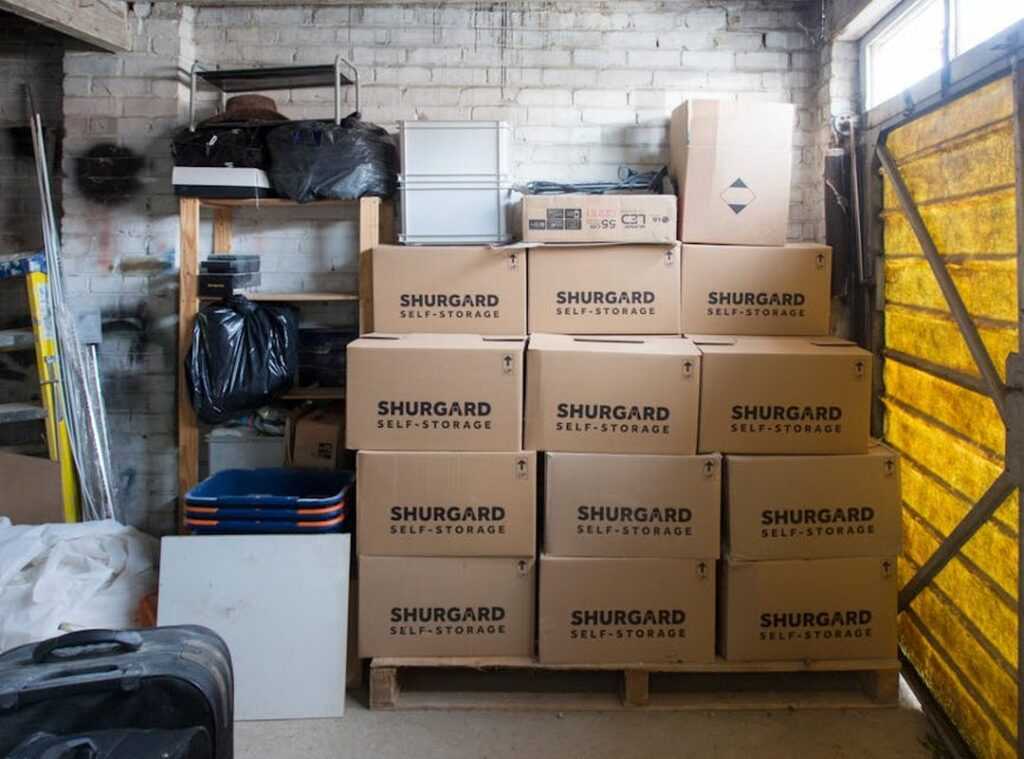
Now, here’s the plan: use the “Four-Box” technique. It’s simple. Label boxes: Keep, Donate/Sell, Store, and Toss.
For the “Keep” box, only include what fits, is in good condition, and has been worn in the last year. If it doesn’t meet these criteria, it shouldn’t make the cut. The “Store” box is for seasonal items like those bulky winter coats you love but only need for a few months.
Now, what about the “Donate/Sell” and “Toss” piles? Get them out of the house immediately. No, not next week.
Right now. Otherwise, they’ll just become new clutter. Take the donate items to your nearest charity or list them online today.
Trash the “Toss” pile without a second thought.
This isn’t just about decluttering; it’s about creating a blank canvas. Without this, you can’t properly maximize closet space. And once that’s done, you’ll be ready to dive into organizing multi functional living areas.
For more tips on that, check out organizing multi functional living areas. Trust me, your closet will thank you.
Zone Your Space: Everyday Logic in Action
Zoning your space is all about creating intuitive organization. Think of it like this: grouping similar items together so you don’t waste time scouring every inch of your closet. Sounds simple, right?
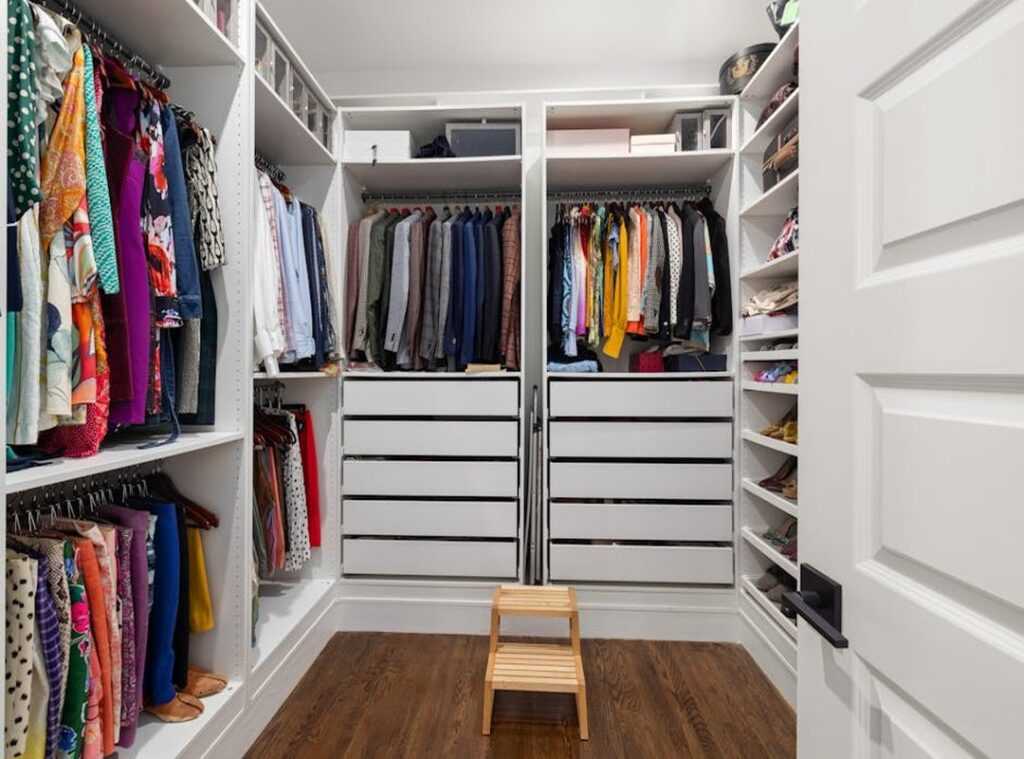
First, let’s define your primary zones. Your closet likely needs sections for workwear, casual clothes, formal wear, shoes, and accessories like belts or scarves. This is the blueprint.
That’s because it is. You’re going to love this approach because it makes getting dressed a breeze.
You might be wondering, “Where does each zone live?” your personal inventory from Step 1 comes into play. Map out where each type of clothing belongs in your closet.
Now, here’s the trick: frequently used items should sit at eye level or in the most accessible places. Trust me, bending down every day for your go-to shirt is a nightmare. Save that for the gym.
Less-used items? Stick them up high or down low. This is how you maximize closet space without hassle.
Want more efficiency? Sub-zoning is the answer. Split your workwear into smaller groups: pants, shirts, and maybe even by color.
Imagine finding your favorite blue shirt right next to the other blues without digging through a heap of whites and blacks. Pure bliss. This system obliterates the guesswork we all dread when getting dressed.
It’s like having a personal assistant.
If you’re working with a smaller closet, check out these small closet ideas to squeeze every inch of space. Your closet’s about to become your best friend.
Pro tip: Use matching hangers for a clean look. Your future self will thank you. After this, getting dressed will be so smooth you might even have time for an extra cup of coffee.
Maximize Closet Space: Smart Tools for Savvy Organizing
Let’s be honest. The right tools support your system, not create it. If you’re buying organizers without a plan, you’re just adding clutter.

We’ve all been there, right? That’s why it’s time to choose smart tools that really maximize closet space.
Vertical space is your secret weapon. Ever thought about using shelf dividers? They’re amazing for stacking sweaters neatly (no more toppling towers).
And double-hang rods? Genius. They instantly double your hanging space, making your closet feel like it’s doubled in size.
But that’s not all. Using slim, matching hangers saves a surprising amount of rod space but also gives your closet a clean, personalized aesthetic that feels like it’s right out of a magazine.
Let’s talk containers. Not all are created equal. Clear bins for shoes are a game changer (see what’s inside without the chaos).
Fabric bins are perfect for out-of-season clothes. They tuck away neatly on a top shelf, keeping them out of sight but within reach when needed. Small drawer organizers?
Perfect for accessories. Keep your jewelry, scarves, and belts from becoming a tangled mess.
Speaking of belts and scarves, over-the-door organizers are often overlooked but solid. They keep your items visible, organized, and off the floor. Why let your bags and scarves clutter the bottom of your closet when they can be neatly hung and easily accessed?
Pro tip: Use vertical space to declutter efficiently. It’s a simple yet effective plan. To explore more about using vertical space declutter efficiently, check out this helpful link for extra insight.
Remember, a well-organized closet isn’t just about having the right tools. It’s about choosing the ones that fit your needs. So, next time you’re tempted to buy another “must-have” organizer, ask yourself, “Does this support my system?” If the answer’s no, leave it.
Your space will thank you.
Transform Your Closet: Habits for Lasting Order
Let’s get something straight. A perfect organizing system will crumble without simple maintenance habits. You might think you’ve got it all figured out, but what happens in a month when the chaos creeps back in?
Exactly. That’s why you need to build habits that last.
First up, the One In, One Out rule. Buy a new shirt? Then say goodbye to an old one.
Yep, this is how you prevent clutter from taking over again. It’s brutal, but effective.
Next, the ’10-Minute Weekly Reset’. Yes, just ten minutes. Re-hang clothes, put shoes back (where they belong), and straighten up those stacked items.
It sounds simple because it is. This small time commitment now will save you from a massive mess later. Don’t let laziness fool you into thinking otherwise.
Now, let’s talk seasonal swaps. Twice a year, shuffle those clothes around. Move out-of-season items to storage and keep the current season front and center.
You’ll access what you need faster. Plus, it helps maximize closet space (look, I slipped it in naturally). No more hunting for that sweater buried under a pile of summer shorts.
These habits are the backbone of keeping your closet organized. Sure, starting is the easy part. But maintaining it?
That’s where discipline comes in. Trust me, these small actions turn a one-time effort into a permanent, stress-free system. You don’t need a fancy app.
Just a bit of intention and consistency, and your closet will thank you. Why wait? Start now.
Your Closet Transformation Starts Now
Let’s face it. A messy closet is a daily headache. But here’s the antidote: a simple four-step system.
Clean-Out, Zone, Tools, and Habits (not just a quick tidy). This isn’t just theory. It works because it creates a logical, personalized space.
It’s easy to use and maintain. You want to maximize closet space, right? Tackle Step 1 this weekend.
Clean it out. Feel the calm wash over you. Your serene and organized space is just steps away.
Trust me. It’s time to make it happen. Start now.
Why wait? Your closet will thank you.

 There is a specific skill involved in explaining something clearly — one that is completely separate from actually knowing the subject. Charlesie Stonechoz has both. They has spent years working with interior design inspirations and layouts in a hands-on capacity, and an equal amount of time figuring out how to translate that experience into writing that people with different backgrounds can actually absorb and use.
Charlesie tends to approach complex subjects — Interior Design Inspirations and Layouts, Highlight Hub, Curious Insights being good examples — by starting with what the reader already knows, then building outward from there rather than dropping them in the deep end. It sounds like a small thing. In practice it makes a significant difference in whether someone finishes the article or abandons it halfway through. They is also good at knowing when to stop — a surprisingly underrated skill. Some writers bury useful information under so many caveats and qualifications that the point disappears. Charlesie knows where the point is and gets there without too many detours.
The practical effect of all this is that people who read Charlesie's work tend to come away actually capable of doing something with it. Not just vaguely informed — actually capable. For a writer working in interior design inspirations and layouts, that is probably the best possible outcome, and it's the standard Charlesie holds they's own work to.
There is a specific skill involved in explaining something clearly — one that is completely separate from actually knowing the subject. Charlesie Stonechoz has both. They has spent years working with interior design inspirations and layouts in a hands-on capacity, and an equal amount of time figuring out how to translate that experience into writing that people with different backgrounds can actually absorb and use.
Charlesie tends to approach complex subjects — Interior Design Inspirations and Layouts, Highlight Hub, Curious Insights being good examples — by starting with what the reader already knows, then building outward from there rather than dropping them in the deep end. It sounds like a small thing. In practice it makes a significant difference in whether someone finishes the article or abandons it halfway through. They is also good at knowing when to stop — a surprisingly underrated skill. Some writers bury useful information under so many caveats and qualifications that the point disappears. Charlesie knows where the point is and gets there without too many detours.
The practical effect of all this is that people who read Charlesie's work tend to come away actually capable of doing something with it. Not just vaguely informed — actually capable. For a writer working in interior design inspirations and layouts, that is probably the best possible outcome, and it's the standard Charlesie holds they's own work to.