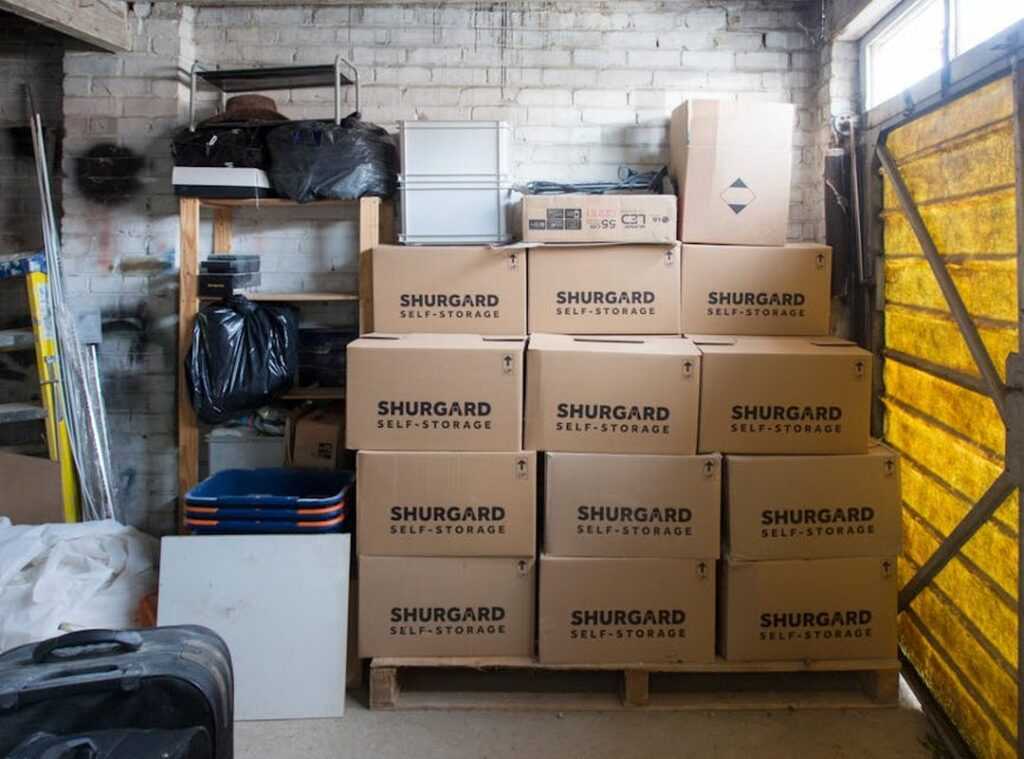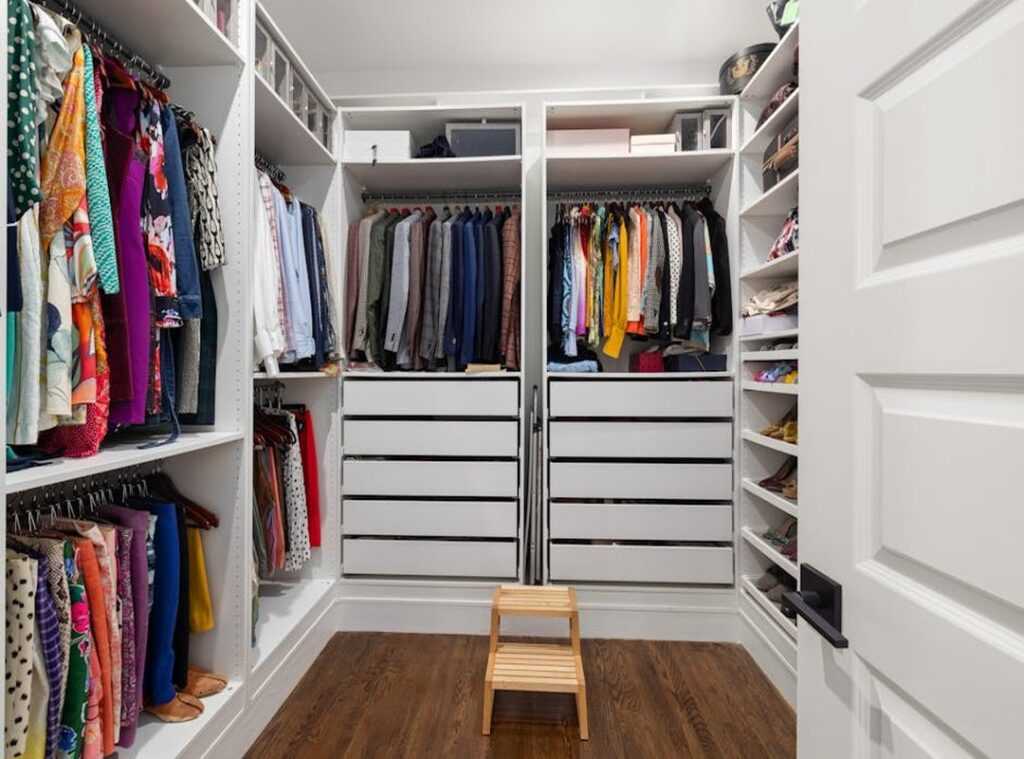

Ever feel like your home is closing in on you, with furniture and clutter everywhere you look? I get it. We’re taught to think about space horizontally, lining up furniture along walls and cramming bookshelves into corners.
But here’s the thing: we overlook the potential right above our heads. The secret? Vertical space declutter. This isn’t just about stacking stuff higher.
It’s a real design plan. By focusing on vertical space, your home can feel bigger, cozier, and more personal. I’ve transformed countless small spaces into expansive sanctuaries, and now I’m sharing those secrets with you.
You’ll leave with more than just ideas. You’ll gain a new perspective on maximizing and beautifying every square inch of your home. Ready to see your space differently?
More Than Storage: How Vertical Design Elevates Your Home’s Vibe
When I first embraced the idea of going vertical, I realized it’s not just about getting stuff off the floor. It’s about pulling the eyes upward. This simple choice can transform a room.
It creates the illusion of higher ceilings, making everything feel airy and open. Who doesn’t want a little more breathing room?
Psychologically, there’s a calm that settles in a room when clutter is lifted from eye level. Think about it. A cluttered floor feels like noise (chaotic) and overwhelming.
In contrast, organizing vertically turns your space into a quiet retreat for the mind. It’s like switching from a blaring radio to the soft hum of background music.
This shift from clutter to curation is solid. Vertical displays, like open shelves or wall units, force you to be intentional. You turn everyday items into what I call “functional decor.” Suddenly, everything has a purpose and a place.
It’s a game-changer.
And let’s face it: smart furniture saves space money. Looking to create that peaceful living environment? Consider directing your design vertically.
There’s a reason it works. See more ideas on how smart furniture saves space money. Why not give it a shot?
The Designer’s Rulebook: Style Vertical Spaces with Flair
Vertical space declutter doesn’t have to be dull. to how to transform those towering shelves into eye-catching elements in your home.
Principle 1: Create Visual Rhythm with Balance. Ever walked into a room and felt like you stepped into a library? It’s the static, unchanging display. Avoid it. Use the ‘triangle’ method. Place objects in a way that guides the eye naturally. Odd numbers are your friend here. Stack items in 1, 3, or 5. Mix up the heights. This creates flow, a changing energy that keeps things interesting.
Principle 2: Master Scale and Proportion. Nothing screams “wrong” louder than a tiny shelf on a massive wall. Or worse, a behemoth of a unit in a cramped space. It’s all about balance. Measure your wall. Visualize the space. A good rule of thumb? The shelf should take up two-thirds of the wall space. This is where intuition meets precision.
Principle 3: Weave in Texture and Personality. This is where things get personal. Mix warm woods with cool metals. Toss in soft textiles, like a throw blanket on a ladder shelf. Add green plants and personal photos. It’s not just about looks. It’s about telling a story, your story. A cozy, layered look that feels inviting.
For more on making vertical storage intentional and beautiful, check out this breakdown. It’s time to rethink how your vertical spaces can work for you. And trust me, once you get it right, you’ll never see shelves the same way again.
Room-by-Room Inspiration: Vertical Organization at Home
Ever looked around your living space and thought, “I could really use more room here”? You’re not alone. I’m obsessed with finding ways to make the most of vertical space.
It’s a game-changer for decluttering.
Start in the living room, the social hub. A feature wall does wonders. I love asymmetrically arranged floating shelves around the TV.
It feels artsy, not like a gallery wall clone. A tall, narrow bookshelf in an unused corner can transform it into a cozy reading nook. It’s like having a little library without needing an actual room.
Next, the kitchen. It’s the functional heart of the home. Move beyond boring cabinets.
Wall-mounted magnetic knife strips are both practical and stylish. Hanging pot racks? Yes, please.
They scream chef-inspired workspace. And open shelving for dishes adds a touch of style. It turns everyday items into decor.
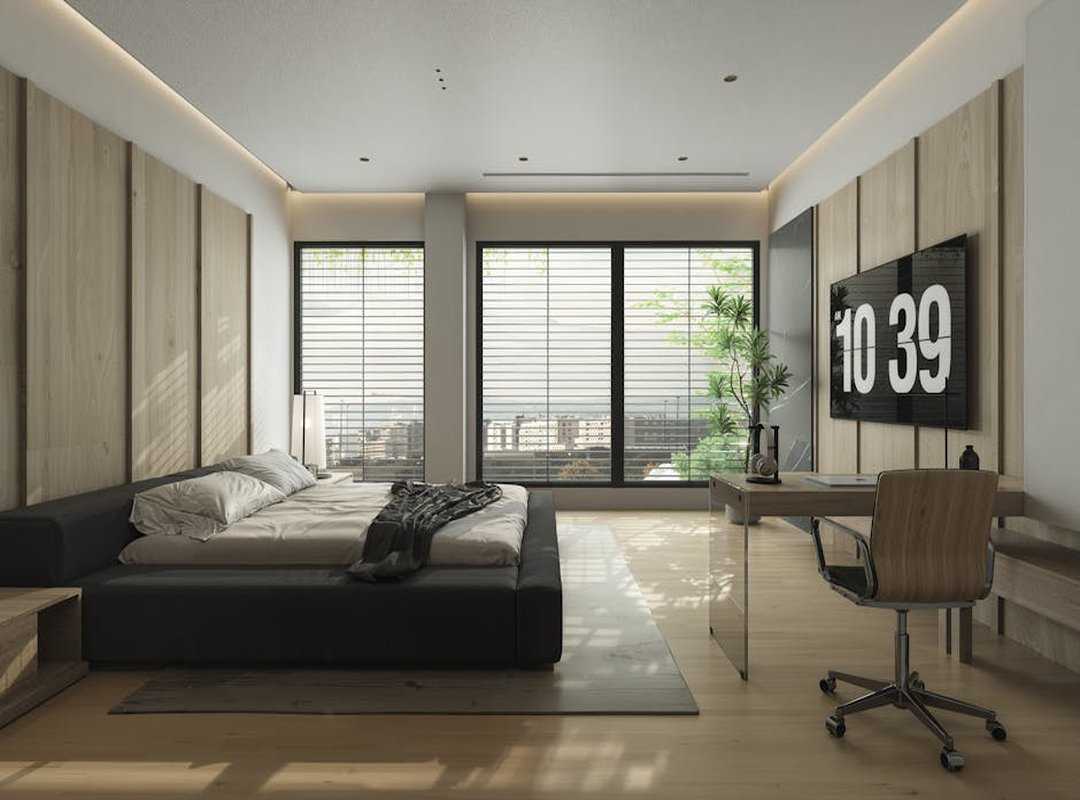
The bedroom is where you unwind. It should feel personal. A leaning ladder shelf works wonders for blankets and books.
It’s neat, yet relaxed. Or, swap out bulky nightstands for a wall-mounted headboard with integrated shelving. It’s sleek and saves space.
The home office is a creative corner. Modularity is your friend here. A metal wall grid or pegboard above the desk makes a great command center.
It’s flexible and adapts as your needs change. Add hooks, baskets, clips. Your workspace stays organized, not cluttered.
These ideas aren’t just for big homes. They’re lifesavers in smaller spaces too. Want more on making the most of tight spaces?
Check out this guide.
Each room has potential. Don’t let clutter win. Vertical space declutter is your secret weapon.
Organize up, not out. Your home will thank you.
Find Your Perfect Fit: Choose the Right Vertical Flair
Ever thought of vertical space as your secret weapon? It’s like harnessing the power of levitation in your home. When clutter threatens to overwhelm, the right choice of shelves can truly be big. Floating shelves have this incredible ability to make everything look like it’s hovering in a modern art gallery.
They bring minimalist elegance, perfect for those who adore a Scandinavian touch. Clean lines, no fuss. They let your treasures shine (because who wants a shelf that’s stealing the spotlight?).
They’re ideal when your decor is the main event.
Then we’ve got leaning and ladder shelves. Picture a relaxed bohemian vibe. Like your room’s taken a chill pill.
No drilling required. These are your best friends if you’re renting or just love shifting things on a whim. They’re the kind of easygoing style that stands the test of time, blending seamlessly into any modern farmhouse or eclectic setup.
Now, if you want drama, go bold with floor-to-ceiling bookcases. These aren’t just shelves; they’re a declaration. Imagine creating your personal library, perfect for book enthusiasts or collectors.
Maximum storage? Yes, please. They fill a space with personality and purpose, making books the heroes of the room.
Finally, we have the modular and wall-grid systems, champions of customization. They scream industrial-chic and adapt like a chameleon. Perfect for crafters, creatives, and anyone whose needs evolve (which is, let’s face it, all of us).
They’re not just about holding things; they’re about telling your story.
So, how will you declutter your vertical space? Make it count.
Transform Your Space, Start Now
Feeling boxed in by clutter? You’re not alone. We’ve all been there, looking for room to breathe.
But the solution’s simple: look up. Vertical space declutter isn’t just about stacking stuff. It’s about reclaiming control and finding peace in your home. Why settle for chaos when you can have calm?
So here’s what I suggest. This week, pick one blank wall. See it not as wasted space, but a blank canvas.
Ask yourself: what vertical element can you add? Shelves, art, plants? Get creative.
You deserve a home that reflects who you are. And it starts with small, intentional steps. Take action now.
Reimagine your space. Discover the beauty right above you. Ready to breathe easier?
Start with that blank wall. You got this.

 Ozirian Dolthane has opinions about interior design inspirations and layouts. Informed ones, backed by real experience — but opinions nonetheless, and they doesn't try to disguise them as neutral observation. They thinks a lot of what gets written about Interior Design Inspirations and Layouts, Everyday Space-Saving Hacks, Curious Insights is either too cautious to be useful or too confident to be credible, and they's work tends to sit deliberately in the space between those two failure modes.
Reading Ozirian's pieces, you get the sense of someone who has thought about this stuff seriously and arrived at actual conclusions — not just collected a range of perspectives and declined to pick one. That can be uncomfortable when they lands on something you disagree with. It's also why the writing is worth engaging with. Ozirian isn't interested in telling people what they want to hear. They is interested in telling them what they actually thinks, with enough reasoning behind it that you can push back if you want to. That kind of intellectual honesty is rarer than it should be.
What Ozirian is best at is the moment when a familiar topic reveals something unexpected — when the conventional wisdom turns out to be slightly off, or when a small shift in framing changes everything. They finds those moments consistently, which is why they's work tends to generate real discussion rather than just passive agreement.
Ozirian Dolthane has opinions about interior design inspirations and layouts. Informed ones, backed by real experience — but opinions nonetheless, and they doesn't try to disguise them as neutral observation. They thinks a lot of what gets written about Interior Design Inspirations and Layouts, Everyday Space-Saving Hacks, Curious Insights is either too cautious to be useful or too confident to be credible, and they's work tends to sit deliberately in the space between those two failure modes.
Reading Ozirian's pieces, you get the sense of someone who has thought about this stuff seriously and arrived at actual conclusions — not just collected a range of perspectives and declined to pick one. That can be uncomfortable when they lands on something you disagree with. It's also why the writing is worth engaging with. Ozirian isn't interested in telling people what they want to hear. They is interested in telling them what they actually thinks, with enough reasoning behind it that you can push back if you want to. That kind of intellectual honesty is rarer than it should be.
What Ozirian is best at is the moment when a familiar topic reveals something unexpected — when the conventional wisdom turns out to be slightly off, or when a small shift in framing changes everything. They finds those moments consistently, which is why they's work tends to generate real discussion rather than just passive agreement.