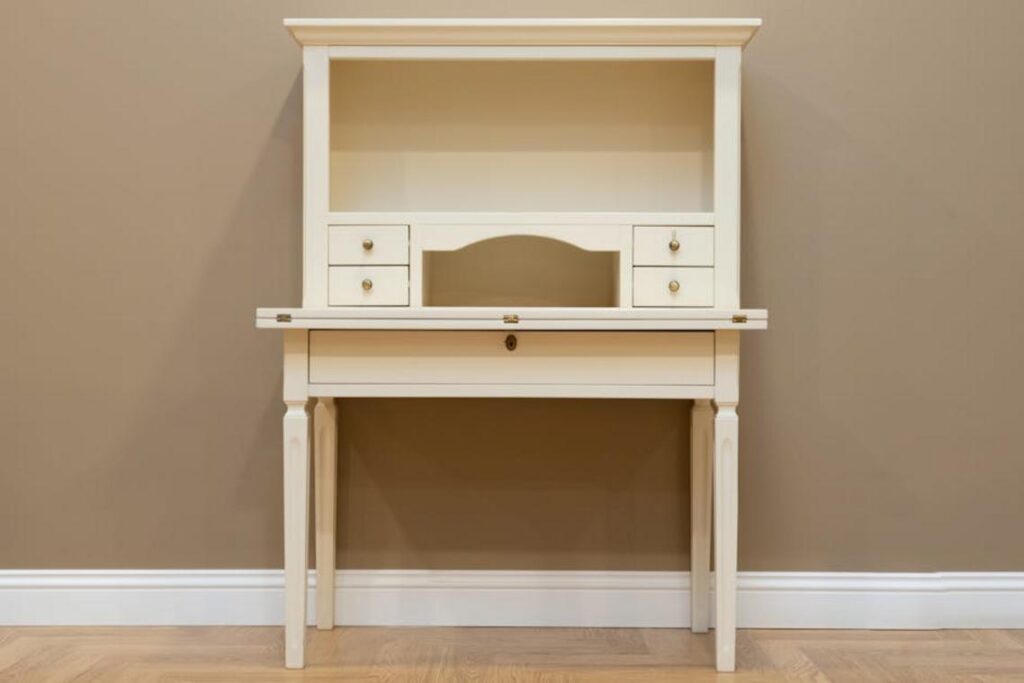

If your home feels more chaotic than comfortable, the problem may not be the size of your space—but how it’s arranged. Many layouts evolve out of habit rather than intention, leading to cluttered surfaces, awkward traffic flow, and rooms that don’t truly support your daily routines. This functional home layout guide offers a clear, step-by-step framework to help you rethink your space with purpose. Drawing on proven interior design principles and practical space-saving strategies, this article shows you how to assess your layout, define logical zones, and make smart adjustments that transform your home into a place that feels cohesive, efficient, and effortlessly livable.
Before you rearrange furniture, pause. Start with a lifestyle audit—meaning a simple, honest review of how you actually move through your home each day. For one week, jot down where you walk, where you pause, and where clutter piles up. Those friction points are bottlenecks, or spots where movement slows and frustration builds.
Next, define high-traffic pathways. Think of these as clear corridors between essential areas, like the entryway to the kitchen or the bedroom to the bathroom. If you have to sidestep a chair every morning, that pathway isn’t working. Clear it.
Then, identify natural zones. Even in an open-plan space, activities cluster. A small rug and lamp can signal a reading nook, while a desk and task chair create a focused work corner. In other words, you’re giving each activity a “home” so it doesn’t spill everywhere.
Finally, apply the Drop Zone principle. Place a tray, hooks, or basket near the entrance for keys, mail, and bags. This single landing spot prevents clutter creep (yes, it spreads fast).
Used together, these steps form a functional home layout guide you can adjust as life changes. As a result, your space feels intentional, efficient, and noticeably calmer. Over time, naturally.
Room-by-Room Strategies for Functional Harmony
Creating harmony at home isn’t about following trends—it’s about making each room work for you. This functional home layout guide challenges a few popular assumptions and offers smarter, more intentional alternatives.
1. The Living Room
Most designers insist the television should be the focal point. However, that mindset quietly prioritizes screens over connection. Instead, try grouping seating to encourage conversation first, then position media thoughtfully. (Yes, you can enjoy movie night without worshipping the TV like it’s a shrine.)
Use area rugs to visually anchor seating clusters and define purpose within the room. If your layout feels awkward, explore ideas like using zoning techniques to create flow in multi use spaces to create natural divisions without walls.
2. The Kitchen
You’ve probably heard of the Work Triangle—the optimal distance between sink, stove, and refrigerator. It’s a time-tested principle in kitchen design. Yet, in larger kitchens, strict triangle rules can feel limiting. Instead, group items by task: baking supplies together, a coffee station in one dedicated zone, meal-prep tools near cutting surfaces.
This task zoning (organizing by activity rather than appliance) reduces friction. Pro tip: Store everyday items between waist and eye level to minimize bending and reaching.
3. The Bedroom
Contrary to popular belief, adding a desk to your bedroom isn’t always “efficient.” Mixing work and rest can disrupt sleep cues. Prioritize clear pathways on both sides of the bed and make it the focal point. Separate sleep from dressing or work areas—even subtle dividers or lighting shifts help signal purpose.
4. The Home Office
Finally, don’t shove your desk against a wall by default. Position it to maximize natural light while minimizing visual distractions. Use vertical storage—floating shelves, wall organizers—to keep surfaces clear. After all, clutter competes for attention (and usually wins).
Multi-functional furniture sounds brilliant—until you buy the wrong piece. I once invested in a sofa bed that looked Instagram-ready but required Olympic-level strength to unfold (guests politely chose the couch). Lesson learned: function beats hype.
Beyond the Sofa Bed
Modern pieces do more than hide a mattress. Think:
- Storage ottomans that swallow blankets and board games.
- Nesting coffee tables that expand when friends visit.
- Expandable dining tables that shift from Tuesday takeout to holiday feast.
These aren’t gimmicks; they’re spatial strategies backed by small-space design research (NAHB, 2023).
The “Hidden” Room Concept
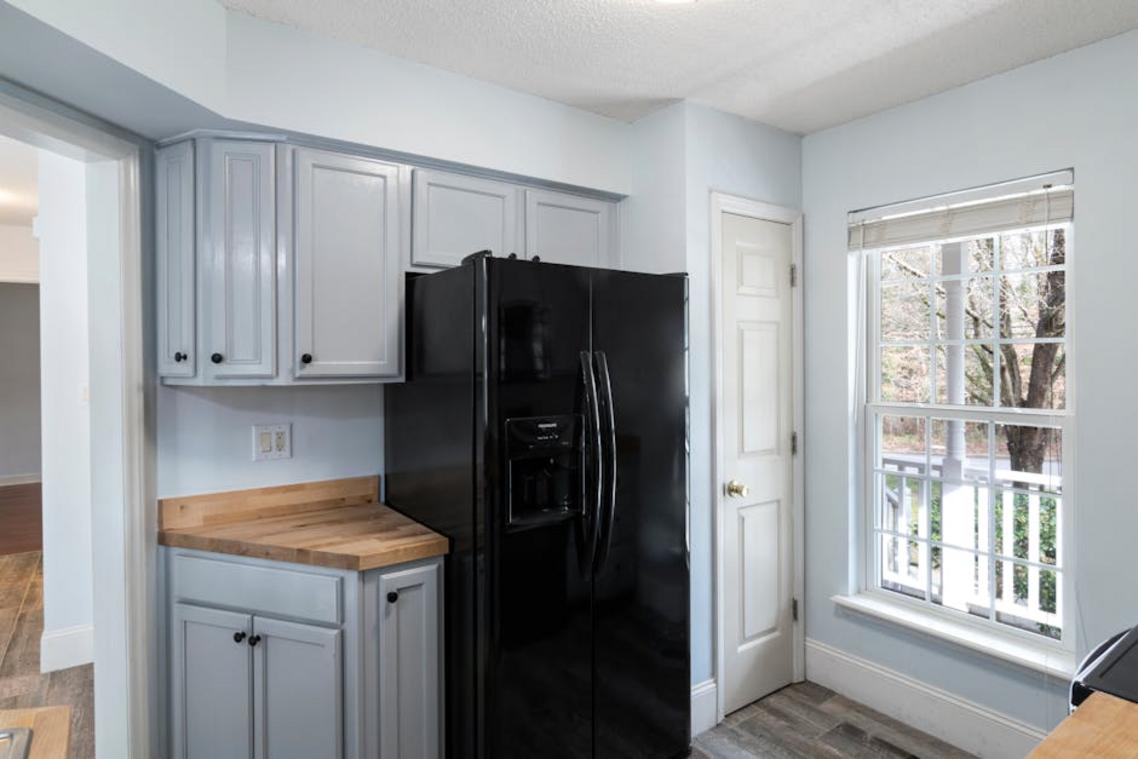
Murphy beds and convertible desks let one room live a double life—home office by day, bedroom by night. It’s a Clark Kent move for your square footage.
Choosing Smartly
After a few wobbly purchases, I follow a functional home layout guide:
- Test mechanisms in-store.
- Check weight limits.
- Match finishes to existing décor.
The Finishing Touches: Using Light and Decor to Define Your Layout
First, think of lighting as your room’s quiet architect. Ambient lighting (overall illumination), task lighting (focused light for activities), and accent lighting (decorative highlights) can visually “zone” a space without walls. For example, a pendant over the dining table instantly separates it from a nearby lounge area. Looking ahead, it’s reasonable to speculate that layered smart lighting will become the default in open layouts, adjusting brightness by time of day.
Next, color sets the emotional tone. Lighter hues tend to make small rooms feel expansive, while deeper shades create intimacy. (Yes, white walls still work—but warm undertones are taking over, in my opinion.)
Strategic mirror placement amplifies natural light and creates perceived depth—an old trick that’s not going anywhere.
Finally, minimalism in function matters. Reducing visual clutter improves flow and usability. A well-edited space often feels bigger than it is—something any functional home layout guide would confirm.
Your Home, Reimagined for the Way You Live
You came here looking for a smarter way to make your home work for you—and now you have the core principles to analyze and optimize your layout for peak functionality. No more battling awkward furniture placement or navigating frustrating, inefficient pathways that drain your energy every day.
With this functional home layout guide, you can finally align your space with your real routines, creating a home that feels effortless, intuitive, and beautifully livable.
Don’t let another weekend pass in a space that doesn’t serve you. Start with one room and complete a Lifestyle Audit today. Thousands of readers have already transformed their homes—now it’s your turn.