
In a world that rarely slows down, having a personal retreat at home is no longer a luxury — it’s a necessity. Yet many homes lack a dedicated space designed purely for decompression, leaving relaxation to compete with work, chores, and screen time. This guide is here to change that. Drawing on proven interior design principles centered on comfort, warmth, and tranquility, you’ll discover practical, actionable ways to transform any corner into a cozy escape. From layout tips to hygge corner ideas, you’ll leave with a clear blueprint to create your own sanctuary, no matter your space or budget.
Choosing Your Canvas: Where to Build Your Cozy Corner
Creating a retreat at home starts with spotting overlooked potential. Scan for underutilized spaces: an empty bedroom corner, a wide staircase landing, a bay window, or even that awkward slice of living room no one claims. These in-between areas often become the best cozy escapes (yes, even that “useless” corner you’ve ignored for years).
Some argue you need a separate room to feel true calm. But privacy isn’t about square footage—it’s about intention. A thoughtfully defined nook can feel just as secluded as a closed-door study.
Prioritize Low Traffic
Choose a spot away from the main household flow. High-traffic areas invite interruptions, which quietly sabotage relaxation. While some people enjoy being near the action, constant movement can make it hard to unwind—especially if your goal is reading, journaling, or practicing hygge corner ideas.
Consider Natural Light
A sun-drenched space boosts mood and is ideal for reading (natural light reduces eye strain, per the American Optometric Association). Prefer napping or meditating? A dimmer, den-like corner may feel safer and cocooned. Neither is wrong—it’s about how you recharge.
Space Potential Checklist:
- Is there an outlet nearby?
- Is it free from drafts?
- Can I define it with a rug?
- Is noise minimal?
- Does it feel calming at different times of day?
(Pro tip: Test the space for a full afternoon before committing.)
Layering on the Comfort: Textures and Tones That Soothe
The Psychology of a Calming Palette
Color does more than decorate a room; it shapes how your nervous system responds. Warm neutrals like oatmeal and beige reflect soft, diffused light, reducing visual strain and creating a grounded atmosphere. Muted earth tones such as sage green and terracotta echo nature—studies in environmental psychology show that natural hues can lower stress levels and promote relaxation. Deep, calming blues (think twilight rather than electric cobalt) slow the heart rate and signal restfulness, much like the sky at dusk. Some argue that bold colors spark joy—and they can—but high saturation shades often stimulate rather than soothe (great for a gym, less so for winding down).
The Power of Tactile Comfort
Texture works on a sensory level. A chunky knit throw adds visual weight and literal warmth. Velvet or bouclé cushions introduce subtle sheen and depth. A high-pile or faux fur rug softens acoustics while cushioning every step. Soft linen curtains gently filter light, creating a diffused glow worthy of a Nancy Meyers set.
How to Mix and Match Textures
Use this simple formula:
- One smooth base (linen or cotton)
- One chunky layer (knit or woven wool)
- One plush accent (velvet or faux fur)
This balance prevents clutter while adding richness. For hygge corner ideas, layer these elements in a reading nook with warm lighting.
Actionable Tip: Create a small texture board with fabric swatches before purchasing. Seeing and touching combinations together ensures harmony—and saves you from costly impulse buys.
Setting the Mood: The Art of Gentle Lighting
Ditch the “Big Light”
Let’s start with the obvious villain: the harsh overhead ceiling fixture. Interior designers call this overhead glare—a single, bright source that flattens shadows and overstimulates your eyes. Some argue it’s practical (and yes, it helps you find a lost earring). But for relaxation? It’s the lighting equivalent of a fire alarm. If your goal is calm, TURN. IT. OFF.
Embrace Layered Lighting
Instead, think in layers—a three-point strategy that mimics natural light variation:
| Layer | Purpose | Example |
|—|—|—|
| Ambient | Overall glow | Floor lamp in corner |
| Task | Focused light | Small reading lamp |
| Accent | Mood sparkle | Fairy lights or flameless candles |
This approach reduces contrast and eye strain (American Lighting Association). It’s also the secret behind many hygge corner ideas.
Focus on Warmth
Choose bulbs around 2700K (Kelvin measures color temperature). Lower Kelvin equals warmer, golden tones—similar to candlelight. Cooler 5000K bulbs? Great for garages, not wind-down routines.
Incorporate Non-Electric Light
Candlelight lowers perceived stress levels (Journal of Physiological Anthropology). Prefer safer swaps? Try a Himalayan salt lamp or micro-LEDs draped over a mirror.
What’s next? Explore furniture placement to maximize glow, or dive deeper into lighting for comfort soft illumination techniques that relax the mind. Pro tip: Put lamps on dimmers for instant atmosphere control.
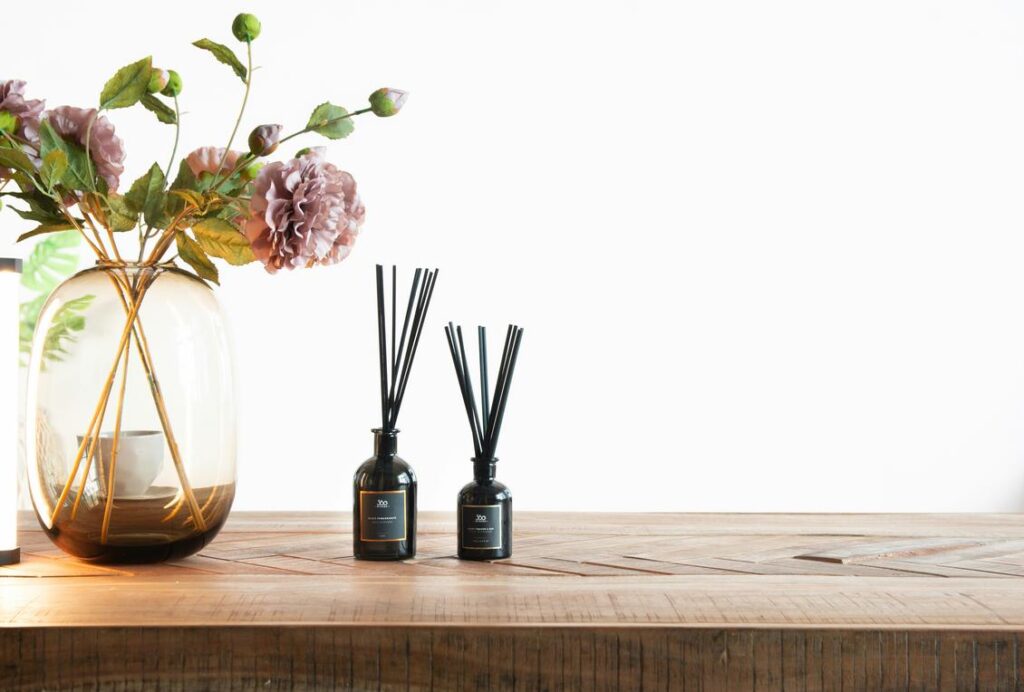
Creating deep relaxation at home doesn’t happen overnight. Back in 2020, when many of us spent months indoors, people realized how much the senses shape mood. Start with scent. An essential oil diffuser with lavender or chamomile can signal calm within minutes, while a high-quality candle or fresh eucalyptus adds a subtle, spa-like layer (and makes the room feel intentionally styled).
Next, curate your soundscape. A small Bluetooth speaker playing ambient music or rainfall can lower perceived stress, according to research from the Journal of Environmental Psychology. Soft rugs and thick curtains also absorb outside noise—an underrated fix if traffic hums past your window.
Finally, add personal touches. A favorite art print, a stack of beloved books, or a thriving plant makes the space feel YOURS. Think of it as building hygge corner ideas into daily life. Over time—give it two weeks—you’ll notice the shift in your nervous system gently.
Bringing It All Together: A Haven That’s Uniquely Yours
A truly relaxing space isn’t created by accident—it’s a multi-sensory experience shaped by intentional choices in location, texture, lighting, and scent. When those elements work together, your home transforms from simply functional to deeply restorative. By thoughtfully combining these details, you carve out a sanctuary that supports both mental clarity and physical rest—something many of us crave but rarely prioritize.
If you’re feeling overwhelmed or disconnected at home, start small. Add a comfy chair, drape a soft blanket, explore hygge corner ideas, and build from there. Personalize it over time until it feels unmistakably yours. You deserve a space that helps you exhale—begin creating it today.