Home should evolve with you—not with every passing fad. As we look ahead to interior design trends 2026, the focus is shifting away from short-lived aesthetics and toward meaningful, lasting spaces that feel personal and restorative. Many homeowners struggle to keep their spaces current without falling into an endless cycle of updates. This guide explores how to move beyond the trend churn and design a sanctuary that reflects your identity, supports your well-being, and adapts to your lifestyle. Inside, you’ll find forward-thinking inspiration and practical ideas to help you create a home that feels timeless, intentional, and uniquely yours.
The New Naturalism: Tactile Textures & Earth-Sourced Materials
The New Naturalism is more than a look—it’s a shift toward earth-sourced materials that feel as good as they look. Instead of defaulting to polished marble or standard oak, designers are embracing cork (harvested from tree bark without cutting the tree), recycled composites (materials reformed from post-consumer waste), and mycelium-based finishes (grown from mushroom roots and agricultural byproducts). These choices reduce environmental impact while adding organic texture (and yes, they’re as cool as they sound).
How to Layer Texture Without Overwhelm
Start with a calm base: soft, imperfect plaster walls or limewash paint. Then layer in raw linen curtains, a natural fiber rug like jute, and a touch of brushed metal for contrast. The rule of three works well—combine one rough, one soft, and one smooth texture in each zone.
For small homes, define areas using textured wall coverings or a woven rug instead of bulky dividers. It’s a smart alternative discussed in open floor plan vs defined spaces which layout works best (and it saves precious square footage).
Some argue minimalism should stay sleek and texture-free. But sensory design—prioritizing touch—adds warmth that flat spaces lack. As interior design trends 2026 show, depth beats sterility. Pro tip: keep colors neutral when mixing bold textures to maintain balance.
Chromatic Comfort: The Psychology of 2026’s Color Palettes
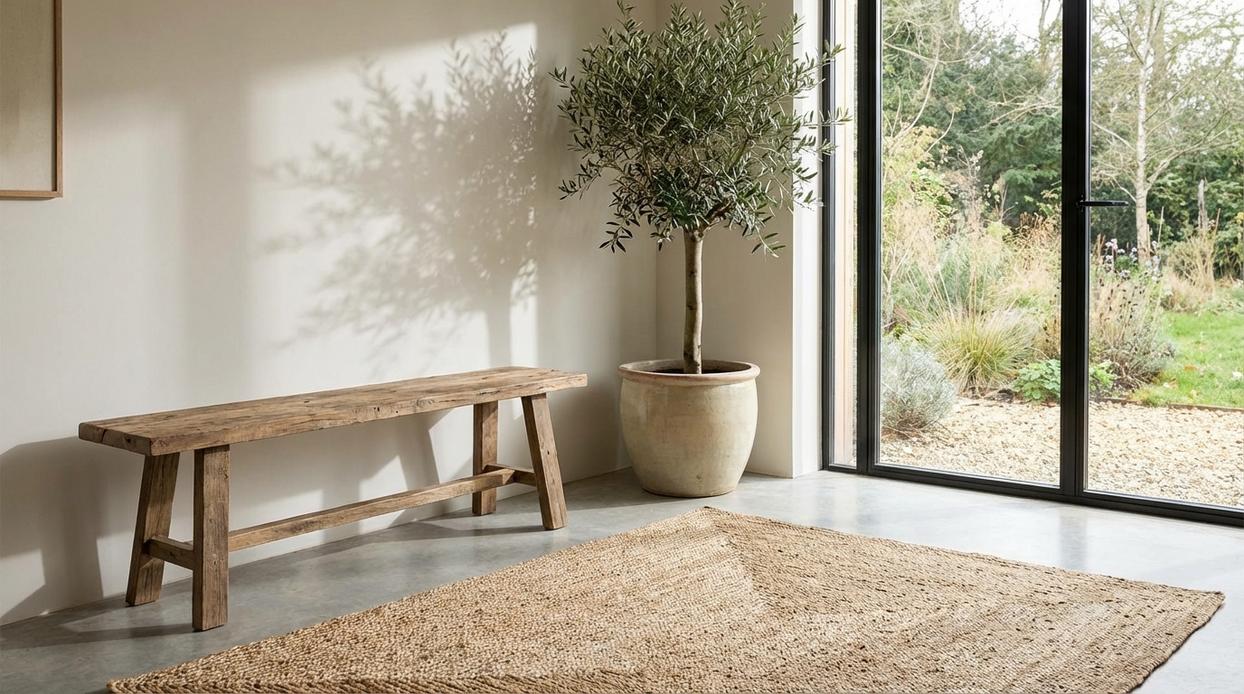
First, let’s talk about the quiet goodbye to all-gray everything. In its place? Rich, desaturated earth tones—deep terracotta, olive green, dusty blue. These hues feel grounded and sophisticated, like your home finally exhaled. The benefit is immediate: warmer colors can lower visual stress and create a sense of security, according to color psychology research (Küller et al., 2009). In other words, your living room stops feeling like a waiting area and starts feeling like a retreat.
Then there’s color drenching—the art of painting walls, trim, ceilings, even doors the same shade. While some argue it’s “too much,” the payoff is immersion. A single enveloping tone eliminates harsh visual breaks, making spaces feel intentional and cohesive. In fact, designers note that monochromatic schemes can make small rooms appear more unified and less cluttered (Architectural Digest, 2023).
Equally important, personalized palettes are taking center stage in interior design trends 2026. Rather than chasing fads, you choose colors that match your mood goals—calm blues for focus, earthy reds for intimacy. Darker warm tones can cozy up large rooms; lighter variations open tighter ones.
Ultimately, the advantage is simple: when color aligns with emotion, your home doesn’t just look better—it works better for you.
Invisible integration is redefining smart living. The latest systems are designed to be felt, not seen, blending quietly into walls, millwork, and decor. Research from Statista shows that over 63% of homeowners prioritize “ease of use” over flashy features, proving subtlety wins.
For example, circadian rhythm lighting—systems that adjust color temperature to mirror natural daylight—has been linked to improved sleep quality in clinical studies published by Harvard Medical School. Meanwhile, discreet air quality sensors now hide inside sculptural objects, tracking pollutants like PM2.5 (fine particles under 2.5 microns) and automatically triggering filtration.
However, some critics argue that embedding tech everywhere increases costs and complexity. That’s fair. Yet case studies from Houzz report higher resale values for homes with integrated systems, suggesting long-term payoff.
Furniture is evolving, too. Think coffee tables with wireless charging and sofas with hidden speakers—less tangled cords, more calm (very “Her,” minus the existential crisis). These features align seamlessly with interior design trends 2026, where wellness and minimalism intersect.
To start small, consider a learning thermostat or automated blinds. Over time, they adapt to your schedule—pro tip: review energy reports monthly to optimize savings and comfort. Ultimately, technology anticipates needs and responds quietly before you ask.
Fluid Spaces & Personal Pods: Redefining the Modern Floor Plan
For years, open-plan living dominated new builds. But research from the National Association of Home Builders shows that 65% of homeowners now prefer defined spaces over completely open layouts (NAHB, 2023). Why? Noise, lack of privacy, and the “echo chamber” effect (beautiful, but chaotic by 7 p.m.). Enter the broken-plan layout—a smart middle ground.
Instead of walls everywhere, designers use strategic zoning to balance flow and function. According to Houzz’s 2024 U.S. Home Study, renovation projects increasingly prioritize multi-functional spaces with visual separation.
Popular zoning techniques include:
- Glass partitions that preserve natural light
- Open shelving units that divide without closing off
- Decorative screens for flexible privacy
- Subtle floor level changes to signal purpose
This shift aligns with broader interior design trends 2026, which emphasize adaptability and wellness-focused design.
Then there’s the rise of the nook—small, intentional “pods” for reading, focused work, or meditation. Environmental psychology research from the University of Exeter found that defined work zones can improve productivity by up to 15%.
Space-Saving Hack: Create a home office pod using a tall, open-backed bookshelf as a divider. It separates your desk from the living area while doubling as storage (and makes Zoom backgrounds look curated, not accidental). Pro tip: anchor it securely for safety.
For more layout inspiration, explore https://www.houzz.com/ideas/home-design.
Designing Your Future: A Home That Evolves With You
You set out to understand where interior design trends 2026 are heading—and now you can see the shift clearly: tactile materials, soulful color palettes, seamless tech, and layouts that flex with your life. The real challenge isn’t following trends; it’s creating a home that truly supports how you live every day. A space that feels outdated, cluttered, or disconnected can quietly drain your energy.
Start small. Choose one idea—a richer texture, a bold accent wall, or a smarter zoning solution—and transform a single corner this week. The most loved homes aren’t built overnight, but they begin with one intentional change. Take that first step now.