
Everyone dreams of a home that’s open, airy, and uncluttered. But let’s face it, the idea of open concept living often feels daunting. Will it seem cold?
Impersonal? As someone who’s spent years in the trenches of interior design, I’ve grappled with these worries myself. You’re not alone.
I’ve crafted layouts that balance that expansive feeling with warmth and personality. Want to know how? This article promises actionable strategies to make your space both inviting and personalized.
Ready to transform your home into a haven of openness and comfort? You’re in the right place to learn just that.
Open Layouts: Freedom and Connection
Ever walked into a home and felt like taking a deep breath? That’s the magic of an open layout. It’s more than just knocking down walls (though, let’s be honest, that’s fun).
Open concept living transforms spaces into smooth expanses where your mind can wander and your spirit feels lighter. It’s about freedom.
Think about it. When you remove boundaries, it isn’t just physical clutter you’re eliminating; it’s mental clutter too. Without those pesky walls, light floods in, bouncing off surfaces like a scene from your favorite movie.
You feel it, right? That sunlight pouring in through your windows, making every morning just a bit more special.
For everyday life, a spacious floor plan really changes things. Suddenly, moving from the kitchen to the living room doesn’t feel like you’re navigating a maze. It’s smooth.
It’s easy. A bit like when you first discovered a great song that suits every mood. Everything just flows.
And let’s talk about the social side. There’s something about open spaces that makes gatherings with friends and family unforgettable. No shouting over partitions, no peeking around corners to catch the conversation.
Just everyone together, connected. Simple.
Feeling like you’re missing out? You can learn more about how to make this all work. Sometimes, balancing color and space design can make all the difference between a dull room and one that’s full of life. (See what I did there?)
In short, open concept living isn’t just a design choice. It’s a lifestyle. An invitation to live better, feel better, and connect more deeply.
Who wouldn’t want that?
The Blueprint for Brilliance: Core Principles of Spacious Design
Let’s talk about sightlines. You know that feeling when you walk into a room and it just seems to stretch on? That’s the magic of clear, uninterrupted views.
Keep your rooms open and your furniture low. It’s like giving your eyes a runway. You’ll feel like the space has doubled in size, and your guests will appreciate the airy vibe.
Now, light. It’s not just about flipping a switch. Natural light should be your best friend.
Ditch the heavy drapes and let sunlight flood in. At night, layer your lights. Ambient lighting sets the stage.
Task lighting helps you see what you’re doing. Accent lighting adds drama. (Think of it as the spotlight in a theater.) Get these right, and your room will have depth and mood.
Color palettes can make or break a space. Stick with light tones to visually expand the room. It’s like painting a sky on your ceiling.
But don’t fear a splash of bold color. Throw in some accent hues to add character without feeling cramped. A pop of red here or a dash of blue there keeps things interesting without closing in the walls.
Scale is your secret weapon. Oversized furniture in a small room? Bad idea.
It’s like wearing a suit two sizes too big. Choose pieces that fit the space. Not too big, not too small.
Just right. This keeps you from ending up with that dreaded “empty warehouse” look.
For more inspiration on making spaces feel expansive, check out open concept living room ideas phbr1. It’s packed with examples that show how open concept living can transform your home. Ready to make your room feel like a palace?
Let’s get started.
Cozy Corners: Defining Space Without Walls
Let’s talk about open concept living. Everyone loves it, right? But making a big room feel intimate?
That’s the real trick.
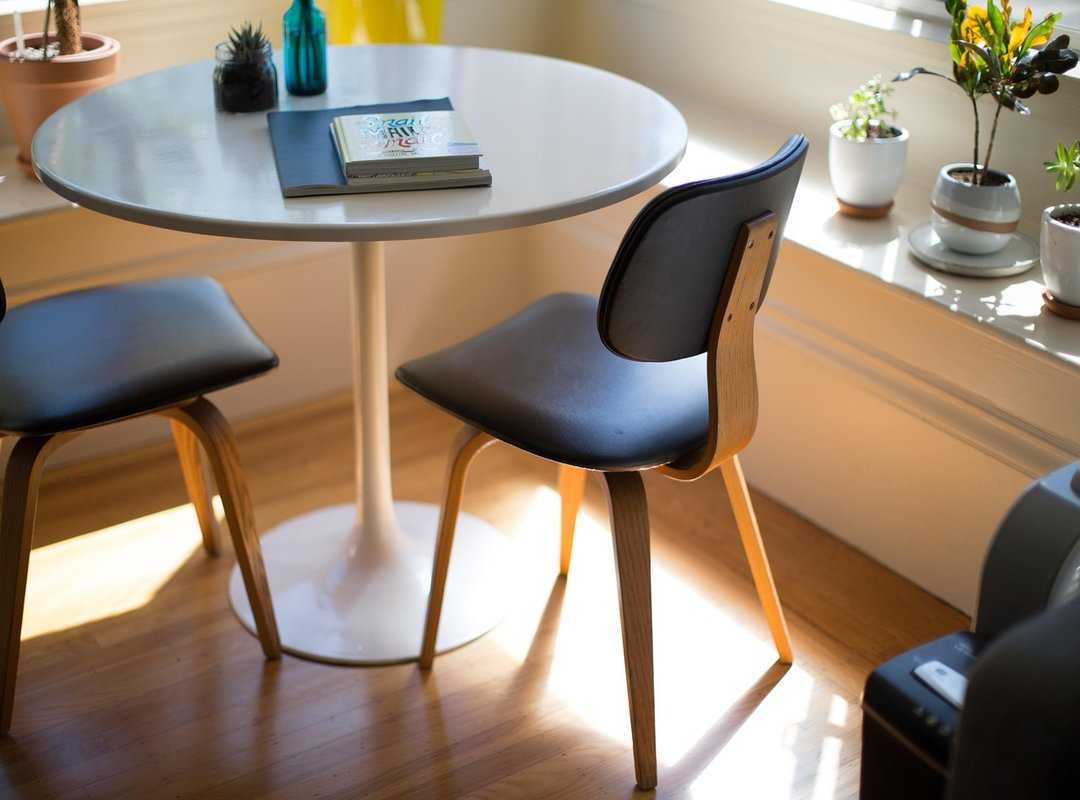
When you group furniture, magic happens. Arrange a sofa, chairs, and a coffee table into a cluster. Suddenly, you’ve got a conversational hub.
You ever walk into a vast room and think, “Where do I even start?” It can feel like you’re lost in a sea of furniture. The secret is in creating cozy zones, and large area rugs are your best ally. They anchor spaces, like setting down a flag that says, “This is my living room now.”
It’s like the room whispers, “Come and chat.” You feel me?
Now, let’s talk about subtle dividers. A console table behind a sofa or an open-backed bookshelf works wonders. They define spaces without blocking light or views.
No one wants to feel boxed in, right?
And here’s a thought: create a “highlight hub.” A dedicated nook can make a large space feel personal. Maybe it’s a corner for reading or sipping your morning coffee. It’s like claiming a piece of the room as just yours.
Light is another player in this game. Use lamps strategically. They can define areas just by casting a warm glow.
Suddenly, the whole room has a purpose.
Want more? Check out this on creating flow smooth transitions. It’s all about smooth movement through your space.
Pro tip: Don’t overdo it. Too many zones and you’ve got chaos. Keep it simple.
One area for lounging, another for dining. A quiet corner for work or hobbies.
In the end, it’s about making the space work for you. An open concept doesn’t mean you need to feel exposed. Embrace the freedom to create cozy, intimate zones that make your home feel just right.
Open Concept: Tricks to Avoid Common Pitfalls
Open concept living sounds great, but it can be a nightmare if you don’t know its quirks. First, people always push furniture against the walls. Why?
It creates a sad, empty void in the center. Move pieces inward to build conversation and intimacy. It’s not just an aesthetic choice; it’s practical.
Then there’s the echo. Big open rooms make everything sound louder. It’s like living in a drum.
You can fix this with textiles. Rugs, curtains, and pillows can absorb sound. Even plants help.
The foliage eats up echoes (and looks good doing it).
Clutter is another enemy. In an open plan, there’s nowhere to hide messes. Everything’s on display.
You need stylish storage solutions. Credenzas and storage ottomans work wonders. They hide stuff while looking chic.
Decorative baskets add flair and function too.
Finally, unify your design. A mishmash of styles disrupts harmony. Choose a consistent color scheme and material palette.
Keep it cohesive. This approach ties the whole space together.
Think of it like a movie set (every) detail matters. Open concept living isn’t as easy as knocking down walls, but get these right, and you create a space that’s both functional and fabulous.
Transform Your Space Today
Creating a spacious and welcoming home isn’t easy. We all want a place that reflects personality and feels like a sanctuary. The magic lies in thoughtful design.
Zoning, light, and scale transform a house into a home. A spacious floor plan is your canvas (fill) it with life. Here’s my challenge: take one tip, like setting up a cozy reading corner.
Do it this weekend. See how it changes the vibe. Open concept living lets your personality shine. Need guidance?
Dive into our resources. Discover designs that inspire you. Start small, feel the change.
Your dream home awaits.

 Ozirian Dolthane has opinions about interior design inspirations and layouts. Informed ones, backed by real experience — but opinions nonetheless, and they doesn't try to disguise them as neutral observation. They thinks a lot of what gets written about Interior Design Inspirations and Layouts, Everyday Space-Saving Hacks, Curious Insights is either too cautious to be useful or too confident to be credible, and they's work tends to sit deliberately in the space between those two failure modes.
Reading Ozirian's pieces, you get the sense of someone who has thought about this stuff seriously and arrived at actual conclusions — not just collected a range of perspectives and declined to pick one. That can be uncomfortable when they lands on something you disagree with. It's also why the writing is worth engaging with. Ozirian isn't interested in telling people what they want to hear. They is interested in telling them what they actually thinks, with enough reasoning behind it that you can push back if you want to. That kind of intellectual honesty is rarer than it should be.
What Ozirian is best at is the moment when a familiar topic reveals something unexpected — when the conventional wisdom turns out to be slightly off, or when a small shift in framing changes everything. They finds those moments consistently, which is why they's work tends to generate real discussion rather than just passive agreement.
Ozirian Dolthane has opinions about interior design inspirations and layouts. Informed ones, backed by real experience — but opinions nonetheless, and they doesn't try to disguise them as neutral observation. They thinks a lot of what gets written about Interior Design Inspirations and Layouts, Everyday Space-Saving Hacks, Curious Insights is either too cautious to be useful or too confident to be credible, and they's work tends to sit deliberately in the space between those two failure modes.
Reading Ozirian's pieces, you get the sense of someone who has thought about this stuff seriously and arrived at actual conclusions — not just collected a range of perspectives and declined to pick one. That can be uncomfortable when they lands on something you disagree with. It's also why the writing is worth engaging with. Ozirian isn't interested in telling people what they want to hear. They is interested in telling them what they actually thinks, with enough reasoning behind it that you can push back if you want to. That kind of intellectual honesty is rarer than it should be.
What Ozirian is best at is the moment when a familiar topic reveals something unexpected — when the conventional wisdom turns out to be slightly off, or when a small shift in framing changes everything. They finds those moments consistently, which is why they's work tends to generate real discussion rather than just passive agreement.