
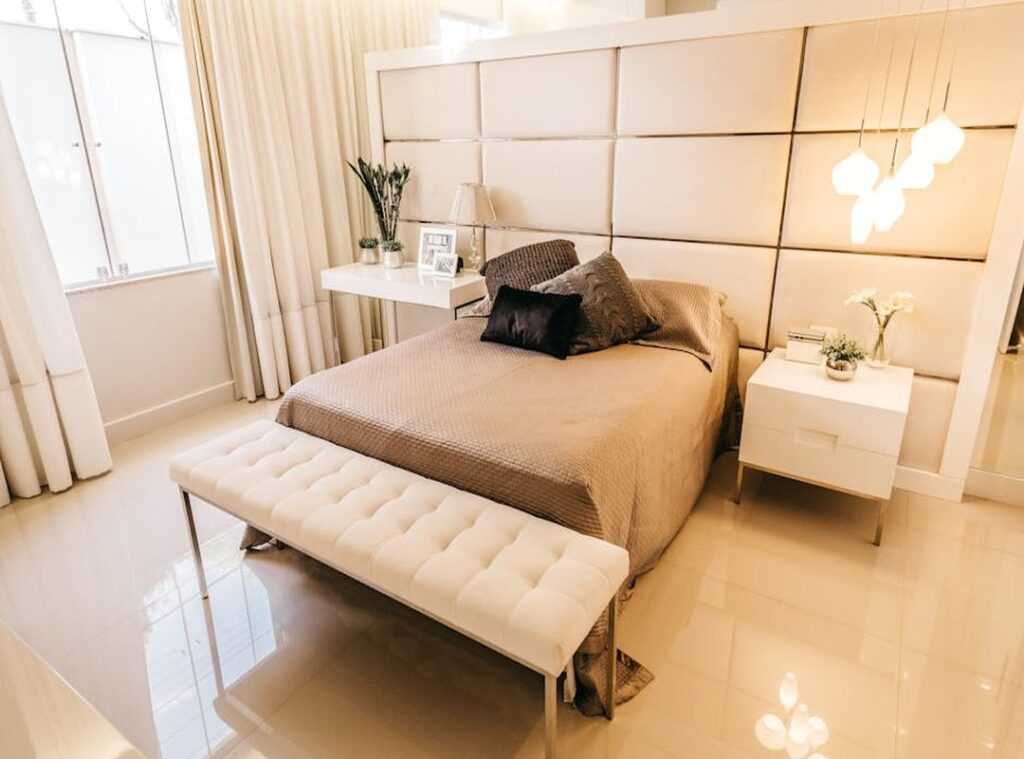
Ever walk into your bedroom and feel like you’re drowning in chaos? It’s supposed to be a place to unwind, but instead, it’s a storage war zone. We need more than a bed to make a bedroom truly relaxing.
I know, because I’ve spent years diving into cozy living concepts. We’re talking about cozy bedroom elements that change a room from hectic to heavenly. This isn’t just about throwing in another pillow.
It’s about creating a sanctuary that hits all your senses. Get ready for practical steps to transform your space into the restful escape it should be.
Sleep Sanctuary: Elevating Your Bedroom Comfort
The bed is where it all begins. Your sleep environment sets the stage for a restful night, and the bed is its non-negotiable centerpiece of comfort. Without the right mattress, any attempt to create a cozy bedroom falls flat. to the essentials.
Choosing a mattress isn’t just about size. It’s about how you sleep. Side sleepers need something softer to cushion the shoulders and hips, while back sleepers benefit from firmer support.
Stomach sleepers? They need that sweet spot in between (too soft, and your spine bends; too firm, and it’s uncomfortable). Understanding your sleep style is key.
Confused by terms like memory foam, innerspring, and hybrid? Memory foam molds to your body, offering great support and pressure relief. Innerspring mattresses provide that classic bounce, which some folks swear by.
Hybrids combine both for a balanced feel. Seriously, don’t skimp on the research here.
But let’s not forget bedding. Higher thread count doesn’t always mean better quality. It’s about the material.
Cotton percale offers a crisp, cool feel (perfect) for hot sleepers. Sateen is silky and smooth, ideal if you love that hotel-like luxury. Linen, though?
It’s breathable and softens with every wash.
Pillows also play a key role. The wrong pillow can ruin a good night’s sleep. Side sleepers need firmer pillows to keep the neck aligned, while back sleepers benefit from medium firmness.
Stomach sleepers? Go soft or you’ll wake up with neck pain (trust me).
Now, about light control. Total darkness is underrated, and blackout solutions are your friend. Blackout curtains are effective, but if you want versatility, go for blinds.
Sleep masks are a great alternative if you’re on a budget or traveling. They all contribute to better sleep quality.
For more tips on creating a cozy atmosphere, check out these creating cozy living room expert tips. You’ll find that the principles of comfort and style extend beyond the bedroom. Cozy bedroom elements are just the beginning.
A Multi-Sensory Approach to Comfort and Calm
Creating a truly cozy bedroom isn’t just about throwing a few pillows on the bed. It’s about engaging all your senses. Let’s break it down.
Sight: The Power of Light and Color
Lighting sets the mood. You need layers: ambient light for general glow, task lighting like bedside lamps for reading, and accent lights (think dimmable string lights) for that extra touch. Warm-toned bulbs are a must.
Stick with 2700K dimmable LEDs. They’re easy on the eyes and the soul. Colors matter too.
Blues, greens, and earthy tones create a relaxing palette. You know this, right? It’s practically instinctive.
Sound: Engineering a Peaceful Auditory Scene
Noise pollution is a silent killer of peace. A white noise machine can do wonders. Or just use a small fan.
If you’re fancy, go for sound-dampening curtains. They mask those annoying external sounds. Trust me, it makes a difference.
Your ears deserve this sanctuary.
Touch: The Feel of Coziness
Textures aren’t just for the bed. They’re everywhere. Throw a plush area rug on the floor.
It feels like heaven underfoot. Add a soft throw blanket on your chair. And don’t forget different textured decorative pillows.
They make the space inviting, tactile, and well, cozy. You want to feel like you’re wrapped in a hug, right?
Smell: Crafting a Signature Scent
Scent is your secret weapon for relaxation. Important oil diffusers are a game-changer. Go for calming scents like lavender or chamomile.
If you’re old school, light a scented candle. But remember, fire safety first. You don’t want your cozy bedroom elements going up in flames.
Does this sound like a lot? It’s not. With these elements in play, your bedroom becomes more than just a place to sleep.
It’s a retreat. For more inspiration, check out these 20 cozy bedroom ideas for sweet dreams. You’ll find plenty of ideas to weave into your personal haven.
In the end, it’s about creating a space that speaks to you. One where each sense finds its place. You’re not just decorating a room.
You’re building a sanctuary.
Layout and Organization: A Clutter-Free Mind
Visual clutter equals mental clutter. You know it, I know it. Walking into a room full of stuff?

It’s like a weight on your brain. So, let’s clear the path. Literally.
Start with a simple layout principle: make sure there’s a clear path from the door to your bed and closet. It should feel like walking through a soothing breeze, not a maze.
Here’s a trick: use the “landing strip” concept. It’s basically a designated spot (like a bowl or tray) for essentials (keys,) wallets, whatever. This tiny investment in organization can save you from that daily scavenger hunt for lost items.
Let’s talk about walls. They aren’t just for hanging pictures. Use vertical space with wall shelves or a tall, narrow bookcase.
You’d be amazed at how much floor space you free up this way.
Clothing? It’s all about the “one-in, one-out” rule. Got a new sweater?
Say goodbye to an old one. It’s ruthless but effective for keeping that closet manageable. Storage solutions should be more than just functional.
Hide clutter under your bed with storage bins or get a stylish hamper. Even better, opt for an ottoman with hidden storage (it’s) like a secret weapon for your cozy bedroom elements.
For more simple ways boost home comfort, think about how each piece in your room contributes to harmony. It’s not just about storage. It’s about creating a space that feels as good as it looks.
Personalization: Make It Yours
When I walk into a room, I want it to scream me, not whisper “generic hotel.” Don’t you? A cozy bedroom should be filled with cozy bedroom elements that reflect your personality. Meaningful artwork and personal photos on the walls can do wonders.
Hang them at eye level. Trust me, it’s the sweet spot.
Ever thought about weaving in your hobbies? A small, tidy bookshelf for the reader in you or a chic stand for your guitar can subtly tell your story. It’s like having a pop culture reference in your own space.
And let’s not forget plants. They’re not just for Instagram aesthetics. They add life, they add color, and they even make the air better.
If you don’t have a green thumb, start with snake plants or pothos. They’re like the Tom Hanks of plants (reliable) and universally loved.
So, what’s your room saying about you?
Create a Stress-Free Bedroom Tonight
Does your bedroom stress you out instead of relaxing you? You’re not alone. A truly stress-free space isn’t just about looks.
It’s about intention. Focus on the core sleep environment, engage your senses, and cut the clutter. Cozy bedroom elements transform your room into a retreat. It’s a multi-faceted approach that works.
Want to see a change tonight? Pick one feature. Maybe swap in a warm-toned bulb or clear a cluttered surface.
Do it now. You’ll feel the difference. Start creating your sanctuary.
It’s low effort with high reward. Your perfect bedroom is waiting.

 There is a specific skill involved in explaining something clearly — one that is completely separate from actually knowing the subject. Charlesie Stonechoz has both. They has spent years working with interior design inspirations and layouts in a hands-on capacity, and an equal amount of time figuring out how to translate that experience into writing that people with different backgrounds can actually absorb and use.
Charlesie tends to approach complex subjects — Interior Design Inspirations and Layouts, Highlight Hub, Curious Insights being good examples — by starting with what the reader already knows, then building outward from there rather than dropping them in the deep end. It sounds like a small thing. In practice it makes a significant difference in whether someone finishes the article or abandons it halfway through. They is also good at knowing when to stop — a surprisingly underrated skill. Some writers bury useful information under so many caveats and qualifications that the point disappears. Charlesie knows where the point is and gets there without too many detours.
The practical effect of all this is that people who read Charlesie's work tend to come away actually capable of doing something with it. Not just vaguely informed — actually capable. For a writer working in interior design inspirations and layouts, that is probably the best possible outcome, and it's the standard Charlesie holds they's own work to.
There is a specific skill involved in explaining something clearly — one that is completely separate from actually knowing the subject. Charlesie Stonechoz has both. They has spent years working with interior design inspirations and layouts in a hands-on capacity, and an equal amount of time figuring out how to translate that experience into writing that people with different backgrounds can actually absorb and use.
Charlesie tends to approach complex subjects — Interior Design Inspirations and Layouts, Highlight Hub, Curious Insights being good examples — by starting with what the reader already knows, then building outward from there rather than dropping them in the deep end. It sounds like a small thing. In practice it makes a significant difference in whether someone finishes the article or abandons it halfway through. They is also good at knowing when to stop — a surprisingly underrated skill. Some writers bury useful information under so many caveats and qualifications that the point disappears. Charlesie knows where the point is and gets there without too many detours.
The practical effect of all this is that people who read Charlesie's work tend to come away actually capable of doing something with it. Not just vaguely informed — actually capable. For a writer working in interior design inspirations and layouts, that is probably the best possible outcome, and it's the standard Charlesie holds they's own work to.