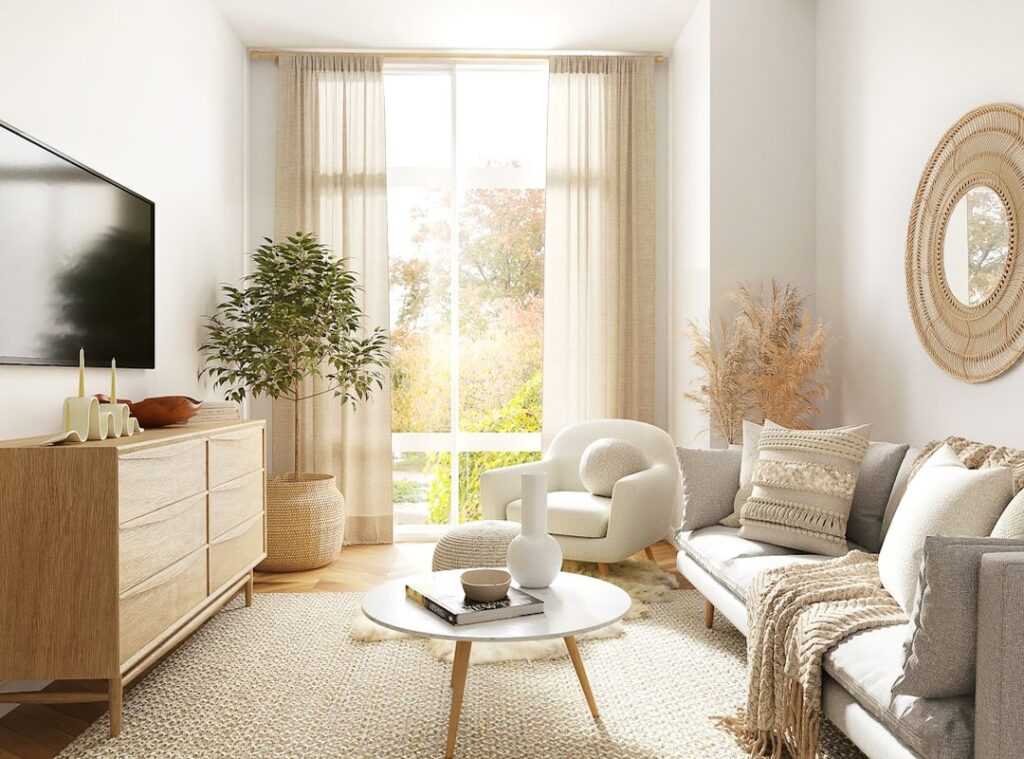
Feeling cramped in a small space? I get it. Finding warmth small spaces can be a challenge.
You want that cozy, inviting vibe, but how do you do it without cluttering or overwhelming the room? That’s what we’re diving into here. Your home should feel like a hug, even if square footage is limited.
Ever notice how some small rooms feel so inviting while others feel like a storage closet? It’s all about the right strategies. You don’t have to be a design expert to achieve this.
Just a few well-thought-out changes can transform even the tiniest space into a warm retreat. I’ve seen it countless times in interiors that embrace creativity over conformity.
This isn’t just theory. We’ve consulted some of the best minds in interior design. You’ll get practical tips that actually work.
No need for expensive renovations or complex solutions. Stick around, and I’ll show you how to create that snug, comforting atmosphere you crave.
The Soul of Coziness: Mindset Over Money
Coziness isn’t bought. It’s felt. It’s that warm sense you get from within (not) from the cushy chair you saw in a store catalog.
The Danish call it “Hygge,” a kind of comfort. The Swedes have “Lagom,” meaning balance. These ideas aren’t about stuff.
They’re about being.
Ever sat in a cluttered room and felt stifled? You’re not alone. It’s not just about ditching things.
It’s about making space. Clear the physical so your mind can breathe. What’s holding you down?
Create a mood board. No rules here, just feelings. Think about what makes you genuinely comfortable.
Is it a color or a texture that screams warmth to you? Picture it. Jot it down.
These things will steer you more than any trend ever will.
Don’t just mimic that showroom look. True coziness is a mirror of you. Ask yourself, “What color makes me calm?” or, “What texture feels like home?” It’s about personal aesthetic, not cookie-cutter designs.
Ever notice how your grandma’s quilt feels different from a generic throw? That’s what we’re aiming for.
Your space should whisper your story. In Incorporating Hygge Maximum Comfort, it’s about blending comfort with authenticity. That timeless charm?
It’s about you, not the latest trend. Trust me, small spaces crave warmth too. They thrive on personal touches that reflect the soul of their inhabitants.
Does money help? Maybe. But a true cozy space comes from within.
So, what’s stopping you from starting?
Light and Color: The Secret to Cozy Small Spaces
The Power of Layered Lighting
to the basics. There are three layers of light you need to master: ambient, task, and accent. Ambient light is your main source, like an overhead fixture.
Task lighting is more focused (think) reading lamps beside your favorite chair. Accent lighting is where the magic happens. This is where fairy lights, candles, and picture lights come in.
They create depth and mood. You ever notice how a room feels flatter without them?
Choosing the right bulb matters too. You want to aim for warm white bulbs (2700K-3000K). These give your living areas that inviting glow.
Skip the cool, harsh lighting (it’s) like stepping into a hospital room and nobody wants that at home.
A Strategic Color Palette for Small Rooms
Now, let’s bust a myth. Small rooms don’t have to be all white. Instead, try warm neutrals like oatmeal, greige, or soft terracotta.
These colors wrap your space in warmth. Ever wonder if a darker accent wall would overwhelm a tiny room? It can actually make it feel deeper, almost like it’s pulling you in.
Mirrors are your best friend here. They amplify natural light and create that sense of spaciousness. Place them opposite a window to bounce light around.
It’s like adding an extra window without the renovation cost.
Finally, if you’re curious about adding warmth in a minimalistic way, check out how to add warm minimalism to your home. It’s a great way to mix style with comfort.
With the right lighting and colors, you can make any small space feel expansive and inviting. Warmth transforms spaces. It’s all about creating a vibe that feels like home, no matter the size.
The Magic of Texture: Engaging the Senses
When you think about creating a cozy space, you might not consider the feel of a room as much as its look. Yet texture is the unsung hero that delivers warmth to small spaces. It’s all about touch.

Ever run your hand over a chunky knit blanket or a velvety cushion? That tactile pleasure is what makes a room inviting.
Soft and plush textures are important. Picture a high-pile rug underfoot, or velvet cushions on your couch. These give a room depth and comfort.
Natural and grounding textures like unfinished wood accents or woven baskets bring warmth and a touch of nature indoors. They’re like a gentle reminder of the earth (without stepping outside).
But don’t forget smooth and sleek elements. Items like ceramic vases or metallic lamp bases add contrast. The mix?
It’s an art. Think of a smooth leather chair draped with a wool throw. The combination of textures plays off each other beautifully, like a symphony.
Layering is key. You’d start with a simple wooden coffee table, add a ceramic tray, and maybe a small plant. Each texture has its role.
Together, they create a rich mix of touch.
Why does texture matter so much? It affects our senses on a different level. We don’t just see spaces; we feel them.
A room with the right textures isn’t just a space to live in; it’s a sensory experience.
For more on how to create these cozy vibes, check out the Creating Cozy Living Room Expert Tips. It’s not just about decorating. It’s about crafting an environment that feels homely and warm.
After all, isn’t that what everyone wants ? A place that feels like home, every time you step through the door.
Smart Layouts: Making Every Inch Count
In a small space, every inch matters. I once lived in a tiny apartment where space was tighter than a packed subway. It forced me to get creative.
One trick? Zoning. Imagine dividing a room into distinct areas without walls.
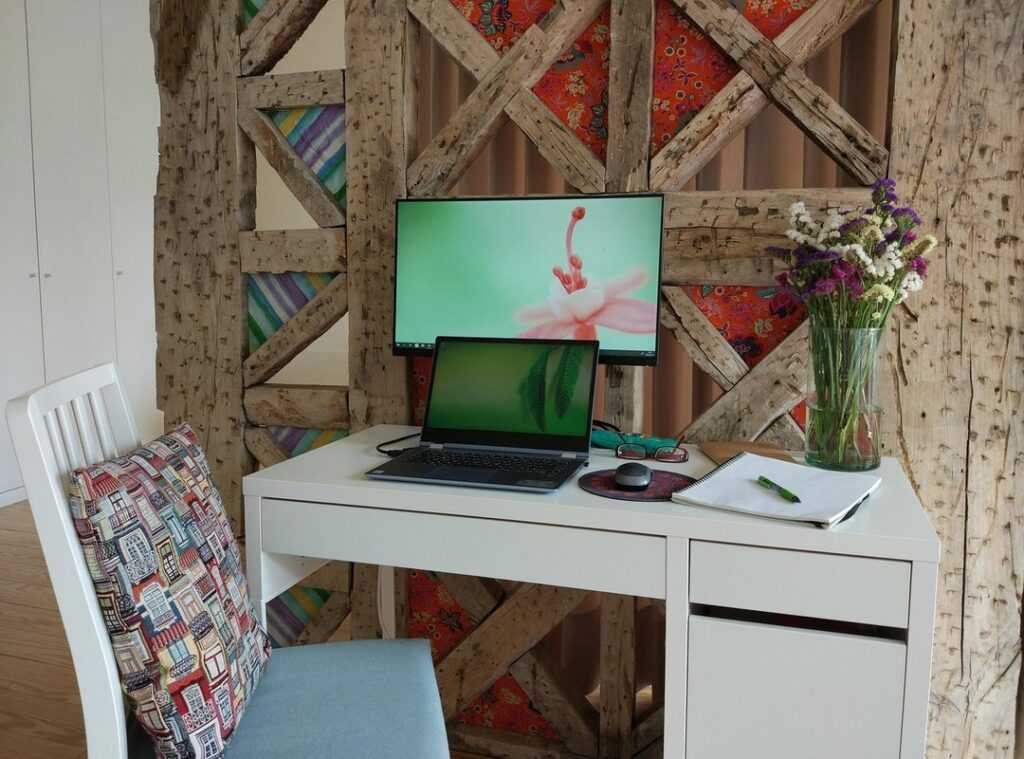
I used rugs to carve out a cozy reading nook next to a window and a corner for a small workspace. All without adding any walls.
Now, let’s talk about furniture. Multi-functional pieces are lifesavers. Picture an ottoman not just for resting your feet but hiding your extra blankets too.
A lift-top coffee table can double as a desk. I had one that served as my dining table during meals. It’s like having a secret weapon in your living room.
Don’t ignore vertical space. Floating shelves or tall bookcases are perfect. They draw the eye upward and keep your floor free from clutter.
I used to stack books high like Jenga, but shelves are way better.
Here’s the deal: a smart layout reduces visual clutter. Clutter is the enemy of warmth in small spaces. You want your space to feel cozy, not chaotic.
Make every inch count, and your small space will reflect warmth and personality.
Transform Your Space Into a Cozy Retreat
You’ve got all you need to create warmth small spaces. It’s not just about a new lamp or a textured blanket (though those help). It’s about embracing your small space as a canvas for your unique expression.
Are you ready to start today?
Pick one idea from this article and run with it. Maybe it’s time to add that lamp or change up your layout.
Stop viewing your small area as a constraint. See it as a chance to craft your personal haven.
Want results? Dive into your cozy project and watch how your space transforms. Call now or visit llbloghome.com.co for more inspiration!

 Ozirian Dolthane has opinions about interior design inspirations and layouts. Informed ones, backed by real experience — but opinions nonetheless, and they doesn't try to disguise them as neutral observation. They thinks a lot of what gets written about Interior Design Inspirations and Layouts, Everyday Space-Saving Hacks, Curious Insights is either too cautious to be useful or too confident to be credible, and they's work tends to sit deliberately in the space between those two failure modes.
Reading Ozirian's pieces, you get the sense of someone who has thought about this stuff seriously and arrived at actual conclusions — not just collected a range of perspectives and declined to pick one. That can be uncomfortable when they lands on something you disagree with. It's also why the writing is worth engaging with. Ozirian isn't interested in telling people what they want to hear. They is interested in telling them what they actually thinks, with enough reasoning behind it that you can push back if you want to. That kind of intellectual honesty is rarer than it should be.
What Ozirian is best at is the moment when a familiar topic reveals something unexpected — when the conventional wisdom turns out to be slightly off, or when a small shift in framing changes everything. They finds those moments consistently, which is why they's work tends to generate real discussion rather than just passive agreement.