
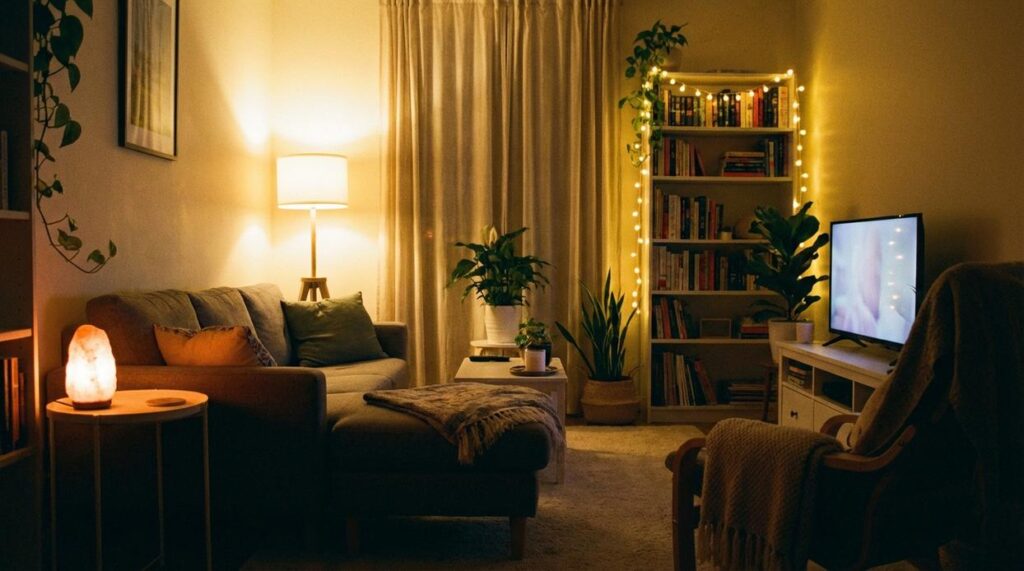
Creating a home that feels both cozy and functional isn’t just about aesthetics—it’s about designing a space that truly supports your lifestyle. If you’re searching for practical ways to elevate your interiors, improve comfort, and make smarter use of every square foot, this article is built for you. We’ll explore how thoughtful design choices, clever storage solutions, and intentional styling can transform your everyday environment while enhancing room layout and productivity.
Many homeowners struggle with cluttered spaces, awkward layouts, or rooms that simply don’t “feel right.” Here, you’ll find clear, experience-backed insights drawn from proven interior design principles and space optimization strategies that actually work in real homes.
From small apartment hacks to personalized décor touches that reflect your character, this guide will help you reimagine your space with confidence—so your home not only looks inviting but also functions beautifully for your daily routines.
Let’s be honest: a cluttered desk drains your energy before you even open your laptop. When cables tangle, lighting glares, and your chair aches your back, focus slips. In my experience, small design shifts create dramatic results. This guide offers a clear, actionable framework to turn chaos into calm and boost output. First, rethink room layout and productivity as partners, not afterthoughts. Position light thoughtfully, define zones, and remove visual noise. Yes, some argue aesthetics don’t affect performance. I disagree. Environment shapes behavior (just ask any superhero with a lair). Apply these simple tweaks and watch momentum build daily consistently.
The Foundation: Ergonomics for All-Day Comfort and Focus
Have you ever stood up from your desk and felt like you aged five years in one afternoon? That’s where ergonomics—the science of designing a workspace to fit your body—comes in.
Start with the 90-Degree Rule. Feet flat on the floor. Knees at a 90-degree angle. Elbows bent at 90 degrees while typing. Why? Because these right angles reduce strain on joints and improve circulation (your lower back will thank you). Sound simple? It is—but most people ignore it.
Now, look at your monitor. Is the top of the screen at eye level? If not, you’re likely tilting your neck forward, which can lead to “tech neck” (yes, that’s a real thing). A monitor arm or adjustable stand makes this fix easy and surprisingly affordable.
What about your keyboard and mouse? If they’re too large, too flat, or awkwardly shaped, you risk repetitive strain injury—pain caused by repeated motions over time. Choose input devices that actually fit your hands.
Beyond function, why not blend comfort with style? Fabric wrist rests, wooden monitor stands, and thoughtful room layout and productivity choices can elevate both focus and aesthetics. Pro tip: If it looks good, you’re more likely to maintain it.
Mastering Your Zone: Strategic Layout and Workflow
Have you ever wondered why some desks feel effortless to work at while others drain your energy before noon? More often than not, the answer lies in zones. Creating work zones means dividing your desk by function—a computer zone for digital tasks and an analog zone for writing or reading. By separating activities physically, your brain switches contexts faster (yes, your mind loves boundaries).
Next, consider the Arc of Reach—the natural semicircle your arms create when seated. Keep essentials like your phone, notepad, and water bottle within this easy sweep. Why stand up ten times a day for what could sit 12 inches closer? Small movements add up, and not in a good way.
If space feels tight, go vertical. Wall-mounted shelves, pegboards, or stacked organizers free up surface area instantly. Think city apartment, not suburban sprawl. The result? Better room layout and productivity without buying a bigger desk.
Finally, tame cable chaos. Use simple cable ties, sleeves, or an under-desk tray to hide cords. A clean visual field reduces cognitive overload (Pro tip: label cords before bundling them).
So, what’s your desk really optimizing for—focus or friction?
Set the Mood: Lighting and Ambiance for Deep Work

Lighting isn’t just decorative—it directly affects focus, energy, and even stress levels. If you want serious deep work sessions (the kind where time disappears), start with light.
Harness Natural Light First
Position your desk to capture daylight without creating screen glare. Side lighting works best; facing a window can cause squinting, while sitting with a window behind you can wash out your monitor. Natural light has been linked to improved mood and better sleep cycles, which in turn support productivity (Harvard Health Publishing). In short: MORE DAYLIGHT, LESS FATIGUE.
Some argue artificial lighting is enough. Technically, yes. But natural light reduces eye strain and supports circadian rhythms in ways overhead bulbs simply can’t replicate.
The Power of Layered Lighting
Relying on a single ceiling fixture is a mistake. Instead, build three layers:
- Ambient lighting: Your primary room light, evenly filling the space.
- Task lighting: A focused desk lamp that eliminates shadows while you read or type.
- Accent lighting: A small wall light or LED strip for visual warmth and depth.
Layering creates balance, which subtly supports room layout and productivity by reducing visual harshness (American Lighting Association).
Choose the Right Bulb
Light temperature is measured in Kelvins (K). Warm light (2700K–3000K) feels cozy but sleepy. For task lighting, choose neutral-to-cool bulbs (4000K–5000K). Studies show cooler light enhances alertness and concentration (Journal of Environmental Psychology).
Personalize Your Ambiance
Add a small plant, meaningful art, or a subtle scent diffuser. These cues lower stress and make the space inviting. Not sure how bold to go? Your style preferences might reveal more than you think—see minimalism vs maximalism what your preference says about you.
Pro tip: Keep scents light—focus fades fast when fragrance overpowers.
Clear Space, Clear Mind: The Art of Smart Organization
If you’ve ever sat down at your desk and felt instantly irritated by a tangle of cables, scattered sticky notes, or that one pen that never works, you’re not alone. Clutter isn’t just visual noise—it’s cognitive overload, meaning your brain wastes energy processing mess instead of focusing. And yes, it’s as annoying as it sounds.
1. The One-Touch Rule
The “One-Touch” rule is simple: when you pick something up, you put it back in its designated home immediately after use. No “I’ll deal with it later.” Later is how clutter wins. Some argue this feels rigid or unrealistic. But the alternative? Endless micro-messes that snowball by Friday. (Pro tip: Start with your most-used item—like your planner or laptop charger—and assign it a clear spot first.)
2. Categorize and Contain
Group similar items together—writing tools in one holder, charging cables in a labeled box, important papers in a single tray. Categorizing reduces decision fatigue, a term psychologists use to describe the mental drain of too many small choices (Baumeister & Tierney, 2011). Think of it like The Home Edit, minus the rainbow obsession.
3. Aesthetic Storage Solutions
Storage doesn’t have to scream “office supply closet.” Woven baskets, minimalist file holders, or sleek boxes can double as décor. When your storage looks good, you’re more likely to use it (and resent it less).
4. The Weekly Reset
Set a 15-minute timer every week. Clear surfaces, file papers, wipe down your desk. This small ritual improves room layout and productivity by giving you a visual and mental clean slate for Monday. Because honestly, nothing kills motivation faster than Monday meeting Friday’s mess.
Efficiency isn’t a luxury reserved for corner offices; it’s the byproduct of intentional design. When your desk wobbles, cables tangle, and lighting strains your eyes, friction compounds (and so does frustration). Over time, that clutter taxes working memory—the brain’s short-term processing system—reducing focus and output.
By contrast, aligning ergonomics, smart storage, layered lighting, and thoughtful room layout and productivity principles transforms your space into a quiet performance partner. Competitors talk aesthetics; few measure how micro-adjustments—chair height, task lighting angles, traffic flow—cut decision fatigue.
So start small. This week, adjust one variable and track the difference. Notice measurable gains in focus.
Create a Home That Works as Hard as You Do
You came here looking for practical ways to improve your space—and now you understand how intentional design, smart storage, and thoughtful room layout and productivity choices can completely transform how your home feels and functions.
When your space feels cluttered, cramped, or uninspiring, it drains your energy. A poorly arranged room doesn’t just look off—it slows you down, affects your focus, and makes everyday tasks harder than they need to be. The good news? Small, strategic changes can unlock comfort, flow, and efficiency without requiring a full renovation.
Now it’s time to take action. Start by rethinking one room today—adjust the layout, clear one high-traffic surface, or introduce a dual-purpose piece that saves space. Momentum builds quickly when you begin.
If you’re ready for proven, cozy design ideas that solve real space frustrations, explore more of our expert-backed tips and space-saving solutions. Thousands of readers trust our insights to simplify their homes—yours can be next. Start creating a space that supports your life, not stresses it.