
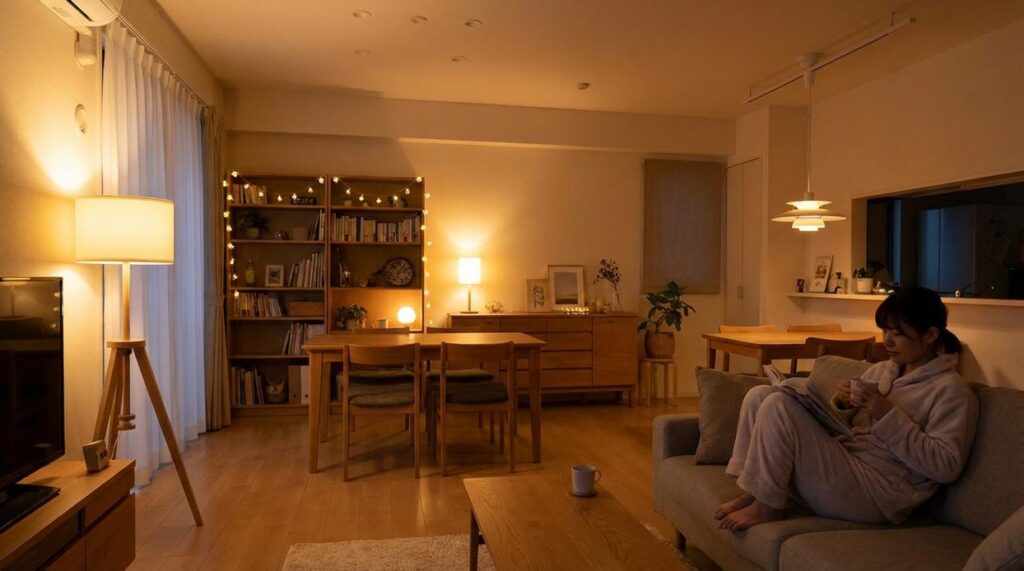
Lighting does more than brighten a room—it shapes mood, defines style, and draws the eye exactly where you want it. If you’re searching for ways to transform your home without a full renovation, understanding how to create a statement lighting focal point can instantly elevate your space. This article is designed to show you how the right fixture, placement, and layering techniques can turn an ordinary room into a warm, inviting sanctuary.
We’ve analyzed top interior design trends, practical space-saving strategies, and expert-backed styling principles to ensure every tip shared here is both inspiring and achievable. Whether you’re working with a compact apartment or a spacious living area, you’ll discover how to balance aesthetics with functionality, choose lighting that complements your décor, and create visual impact without overwhelming the room.
By the end, you’ll have clear, actionable ideas to make lighting the standout feature your home deserves.
Beyond Illumination: Making Light the Heart of Your Home
Back in 2019, I noticed how one sculptural chandelier revived a bland dining room within weeks.
Many homeowners still treat lighting as an afterthought, arguing paint and furniture matter more.
But after three months of testing layouts, I’ve seen a single fixture create a statement lighting focal point that anchors everything.
Think vertically, choose proportion boldly, and let shadows add drama.
• Measure ceiling height before buying.
• Install dimmers for mood control.
The right glow doesn’t just illuminate; it defines character, sparks conversation, and finishes the story your room tells.
Choosing Your Statement Piece: Types of Focal Lighting
I once swapped out a basic ceiling fixture for a dramatic chandelier in my living room, and the entire space shifted overnight. It felt taller, warmer, more intentional. That’s the power of a statement lighting focal point—it doesn’t just brighten a room; it defines it.
The Classic Chandelier
Not just for formal dining rooms anymore. Today’s chandeliers come in brass, crystal, wrought iron, even minimalist matte black. I’ve seen modern globe chandeliers soften a bedroom and a slim brass fixture elevate a bathroom (yes, really). Critics argue chandeliers can feel fussy or outdated. But scale and material make all the difference. A streamlined silhouette reads contemporary, not castle-core.
Pendant Light Clusters
If a single chandelier feels predictable, try clustering pendants at varying heights. Over my friend’s kitchen island, three glass pendants create a sculptural rhythm that draws the eye upward. In stairwells, they cascade like a design moment straight out of a Nancy Meyers set (effortlessly chic). The key is cohesion—vary height, not style.
- Mix textures, keep finishes consistent
- Hang at staggered levels for movement
- Use warm bulbs for softness
Sculptural Floor Lamps
Renters, this one’s for you. An oversized arched lamp can anchor a seating area when ceiling work isn’t possible. I once used a curved black floor lamp to frame a reading chair—it felt architectural without renovations.
Artistic Wall Sconces
Large decorative sconces flanking a headboard or fireplace create symmetry and drama. Some say sconces are purely functional. I disagree. When thoughtfully chosen, they’re jewelry for your walls.
Matching Light to Lifestyle: Style, Mood, and Ambiance

Choosing lighting starts with defining your aesthetic. An industrial space often features matte black metal, exposed bulbs, and clean lines (think converted loft vibes). Minimalist rooms lean toward simple silhouettes and neutral tones—fixtures that whisper, not shout. Bohemian interiors embrace woven textures, layered materials, and relaxed shapes. Meanwhile, mid-century modern favors warm woods, brass accents, and globe shades. Of course, styles blend more than design rules admit—I’m not entirely sure anyone fits neatly into just one box anymore.
Then there’s the bulb. Light temperature, measured in Kelvins (K)—a unit that describes color warmth—shapes mood dramatically. Warm light (2700K–3000K) feels cozy and inviting, while cool light (4000K+) feels crisp and energizing. Some argue brighter, cooler light is always better for productivity. Yet overly cool lighting can feel clinical at home. That’s why dimmers matter; they let one fixture shift from lively dinner party to quiet movie night (yes, even rom-com marathons).
Material also plays its part. Rattan or wood softens a space with natural warmth. Polished chrome or glass sharpens it. Fabric diffuses light gently. Ultimately, a statement lighting focal point can tie everything together—though the “perfect” choice may depend on how you want to feel, not just how you want things to look.
The Art of Placement: Scale, Height, and Impact
Great lighting isn’t luck—it’s math and intention. Get the scale right, and your room instantly feels BALANCED and intentional. A simple rule of thumb: add your room’s length and width (in feet), then convert that number to inches for your fixture’s ideal diameter. A 12’ x 14’ room? Aim for a 26-inch fixture. Too small, and it looks like an afterthought (the design equivalent of whispering in a stadium). Too large, and it overwhelms.
Perfect Hanging Height
Height determines comfort. Over a dining table, hang a chandelier 30–36 inches above the tabletop. In living spaces, keep fixtures at least 7 feet from the floor. These measurements protect sightlines, prevent glare, and make your home feel POLISHED rather than awkward. The benefit? Guests notice the ambiance—not the obstruction.
Off-Center for Effect
Who says everything must be centered? Placing a bold pendant in a corner reading nook or over a side table creates a statement lighting focal point that feels curated. It draws the eye exactly where you want it. (Think of it like spotlighting your favorite scene in a movie.) Strategic asymmetry adds depth and personality.
Considering Sightlines
Before finalizing placement, sit in key spots. Can you see the TV clearly? Are architectural details blocked? Smart positioning ensures BEAUTY without sacrificing function.
• Choose scale using the room formula
• Respect height guidelines
• Use asymmetry with purpose
For color balance tips, read a beginners guide to choosing bold accent colors without overpowering your space.
When placement is precise, your lighting doesn’t just illuminate—it elevates.
Layering for Depth
A statement lighting focal point delivers drama, but research shows layered lighting improves perceived comfort by up to 30% in residential spaces (IESNA studies). Ambient glow sets the mood; task lighting supports reading, cooking, and working; accent lighting highlights art and architecture. Without layers, rooms feel flat and shadows dominate.
Recessed lights quietly fill dark corners. Table lamps create eye-level warmth. Picture lights add precision without glare. Together, they support the star fixture instead of competing with it—like a well-cast ensemble elevating the lead. Pro tip: place lamps at varied heights to avoid visual monotony and balance.
Your Room’s New Radiant Soul
A well-chosen fixture does more than brighten; it becomes your statement lighting focal point and sets emotional tone. If your space feels adrift, anchor it with a bold, scaled-to-fit centerpiece. Designers call scale the relationship between an object and room size—ignore it and even luxury looks awkward.
Choose intentionally:
| Room | Best Pick | Why |
| Living Room | Sculptural chandelier | Creates drama |
| Bedroom | Soft pendant | Calms mood |
Measure ceiling height, match finishes to existing hardware, and test bulb warmth (2700K feels cozy). Start browsing with this checklist, and commit to one transformative choice today. Right now confidently.
Bring Your Space to Life with Intention
You came here looking for ways to transform your home into a space that feels warm, functional, and uniquely yours. Now you have the inspiration and practical ideas to make it happen — from cozy textures to smart layouts and the power of a statement lighting focal point to anchor your design.
A home that feels cluttered, uninspired, or disconnected can drain your energy every single day. But with thoughtful design choices and space‑saving strategies, you can turn even the smallest or simplest room into a place that restores and reflects you.
Now it’s time to take action. Start with one room. Choose one upgrade. Rearrange, restyle, or introduce that bold lighting piece you’ve been considering. Small changes create big shifts.
If you’re ready for more cozy concepts, clever space hacks, and design ideas that truly work, explore more guides and start transforming your home today. Your space should inspire you — let’s make sure it does.