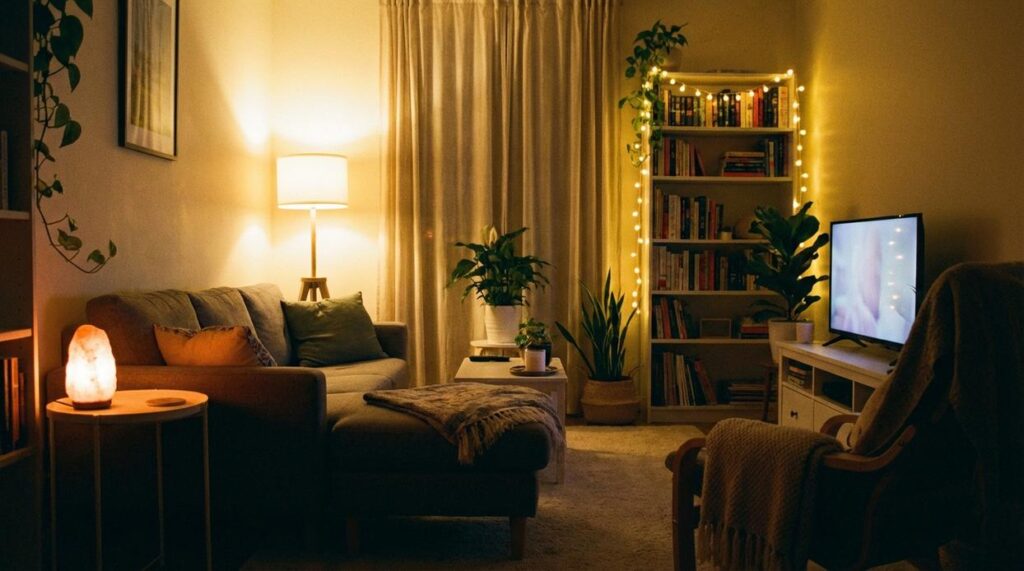

If you’re looking to create a home that feels calm, functional, and uniquely yours, you’re in the right place. Designing a cozy, well-organized space isn’t just about aesthetics—it’s about shaping an environment that supports your daily routines, reflects your personality, and makes every square foot work smarter.
In this article, we’ll explore practical interior design inspirations, space-saving hacks, and the often-overlooked psychology of organized spaces—how layout, lighting, and thoughtful storage can influence your mood, focus, and overall well-being. Whether you’re refreshing a small apartment or refining a larger home, you’ll find ideas that are both beautiful and achievable.
Our insights are grounded in proven design principles, research on spatial behavior, and guidance from experienced interior stylists who understand how form and function intersect. By the end, you’ll have clear, actionable strategies to transform your home into a space that feels intentional, inviting, and effortlessly put together.
Have you ever walked into a messy room and instantly felt your shoulders tighten or your focus drift? That reaction isn’t dramatic; it’s neurological. Disorganized spaces compete for your attention, increasing cognitive load and elevating cortisol levels, according to research from Princeton University Neuroscience Institute. In other words, clutter taxes your brain.
Yet some argue creativity thrives in chaos—think Einstein’s desk. Fair point. However, studies show sustained disorder undermines productivity over time.
Understanding the psychology of organized spaces reveals why tidy environments restore control, clarity, and calm (your brain loves predictability). When you grasp the why, lasting habits follow naturally.
The Brain on Clutter: Why Mess Creates Mental Stress
Let’s start with cognitive overload. Your brain loves patterns and predictability. When your kitchen counter looks like a yard sale collided with a coffee shop, your attention gets hijacked. Every item competes for mental bandwidth. Neuroscientists have found that visual clutter reduces working memory and focus by overloading the brain’s visual cortex (Princeton Neuroscience Institute, 2011). In other words, your brain is trying to answer emails while also yelling, “Why is there a screwdriver next to the toaster?”
Then there’s the cortisol connection. A UCLA study found that women who described their homes as cluttered had higher levels of cortisol, the primary stress hormone (Saxbe & Repetti, 2010). Some argue clutter doesn’t bother everyone—and that’s true. But biologically, sustained chaos can quietly keep your stress response switched on.
Meanwhile, mess fuels a procrastination loop:
- You see unfinished tasks.
- You feel behind.
- You avoid starting.
- You feel guilty.
Rinse and repeat (like a very unfun sitcom episode).
Finally, consider decision fatigue. Every object demands a micro-decision: keep, toss, move, ignore? Over time, that drains willpower. This is where the psychology of organized spaces becomes powerful. Fewer visual prompts mean fewer mental negotiations. Pro tip: clear just one surface. Your brain will thank you.
Order and Calm: The Psychological Benefits of a Tidy Environment
We’ve all heard the mantra: “A messy desk is a sign of genius.” And sure, a little creative chaos can feel inspiring. But more often than not, clutter doesn’t signal brilliance—it signals unfinished decisions (and low-grade stress humming in the background).
Sense of Control and Agency
First, an organized space creates a tangible sense of control. When your environment feels manageable, your brain interprets that as safety. Psychologists call this perceived control—the belief that you can influence outcomes in your life. Even small wins, like clearing a countertop, reinforce agency and reduce helplessness. In uncertain times, that matters more than we admit.
Improved Focus and Productivity
Next, consider attention. Visual clutter competes for cognitive resources, making it harder to enter a state of “flow” (a term coined by Mihaly Csikszentmihalyi to describe deep, immersive focus). An orderly desk minimizes distractions and helps your brain prioritize the task at hand. Think of it as closing unused browser tabs—mentally and physically.
Promoting Healthy Habits
Environment shapes behavior. An organized kitchen nudges you toward cooking balanced meals instead of grabbing takeout. A tidy bedroom supports better sleep hygiene by signaling that the space is for rest, not chaos. The psychology of organized spaces suggests that external order subtly guides internal habits.
- Clear counters encourage mindful eating
- Made beds reinforce evening wind-down routines
- Designated work zones reduce procrastination
Emotional Regulation
Finally, organizing itself can be meditative. Sorting, folding, arranging—these repetitive actions calm the nervous system and create space to process thoughts. Who hasn’t felt a surprising wave of clarity after cleaning a room?
So while disorder may look artistic, order often feels empowering. And that quiet empowerment is anything but boring.
Core Principles for a Psychologically Soothing Home
A few years ago, I realized I was spending ten full minutes every morning looking for my keys. It wasn’t just annoying—it was draining. Once I gave them a dedicated bowl by the door, that friction vanished. That’s the power of the “A Place for Everything” Principle. When every item has a designated home, you reduce decision fatigue (the mental exhaustion caused by constant small choices). According to research from Princeton University, visual and physical clutter competes for your attention, lowering focus and increasing stress.
Building on that, zoning for function helps your brain switch gears more smoothly. In my apartment, I carved out:
- A small desk strictly for work
- A reading chair only for relaxing
- A bedroom free from screens
As a result, my mind began associating each area with a specific task. Neuroscientists call this context-dependent behavior—your environment cues your habits. Even subtle shifts, like a rug defining a lounge corner, send powerful signals.
Then there’s curating vs. collecting. I used to keep things “just in case.” However, most of those items carried visual weight without purpose. Curating means intentionally choosing objects that are either useful or spark joy (yes, Marie Kondo was onto something). Pro tip: if you wouldn’t buy it again today, reconsider keeping it.
Finally, visual cohesion and simplicity matter. A limited color palette and clear surfaces reduce visual noise. If you’re curious how color influences mood, explore the hidden psychology behind color choices at home. Thoughtful storage and cohesive tones align beautifully with the psychology of organized spaces, creating a home that feels calm instead of chaotic.
Your First Steps to a More Organized, Peaceful Life
Think of getting organized like training for a marathon—you wouldn’t sprint 26 miles on day one. Instead, start small with the “One Drawer” method. Tackle a single drawer or nightstand. That tiny win builds momentum, like stacking kindling before lighting a fire.
Next, try the 5-Minute Tidy. Set a timer and reset your space daily. It’s brushing your home’s teeth—small effort, big prevention. Over time, this ritual taps into the psychology of organized spaces, reinforcing calm and control.
Finally, adopt the “One In, One Out” rule. Imagine your home as a boat: every new item adds weight. To stay afloat, something must go. This simple trade keeps clutter from quietly anchoring you down.
Organizing your home isn’t just tidying up; it’s self-care in action. When your Brooklyn walk-up or Austin bungalow feels ordered, you reclaim control, calm, and focus. That’s the psychology of organized spaces at work. By applying these principles, you’re designing support for your mental health—not merely decluttering. Start small: a nightstand, a kitchen drawer, even that entryway. One intentional reset today can shift your rhythm. Think of it as urban feng shui practice—see this guide.
Create a Home That Finally Feels Right
You came here looking for ways to make your space feel calmer, cozier, and more intentional—and now you have the tools to do exactly that. From smart storage ideas to aesthetic layering and space-saving hacks, you’ve seen how small, thoughtful changes can completely transform the way your home feels and functions.
The frustration of cluttered corners, mismatched décor, and rooms that just don’t “click” is real. When your space feels chaotic, it affects your focus, mood, and comfort. That’s the power behind the psychology of organized spaces—when everything has purpose and flow, your home starts working for you instead of against you.
Now it’s time to take action. Choose one room. Apply one layout shift. Clear one surface. Then build from there.
If you’re ready to stop feeling overwhelmed by your space and start loving where you live, explore more of our proven, reader‑favorite home ideas and practical design guides. Thousands of cozy‑home enthusiasts already trust our inspiration to simplify and elevate their spaces.
Start transforming your home today—because the calm, beautiful space you want is closer than you think.